Cut Flower Care: 7 Rules That Actually Work
What actually extends vase life — and what's just myth. From a florist who puts fresh flowers into water every day.
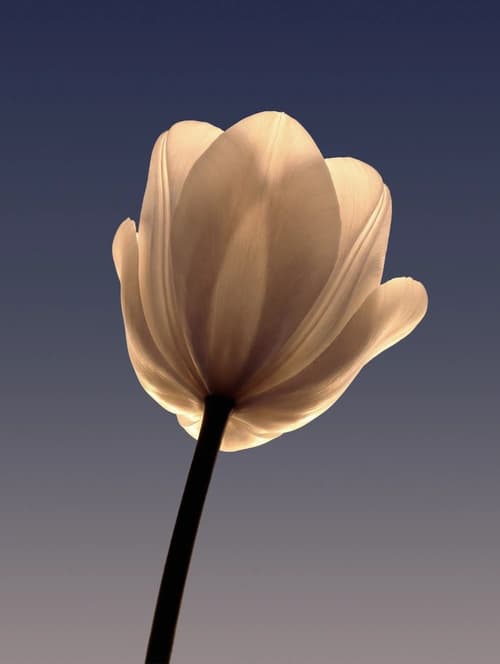
First rule: flowers almost always die from one of two causes — bacteria in the water or blocked stem vessels. Everything that follows revolves around these two problems.
1. Cut stems at an angle — and do it again every other day. An angled cut increases the surface area, a fresh cut removes the bacterial buildup at the stem end. A sharp knife beats scissors because it doesn't crush.
2. Cut under water if you can. The moment a stem hits air, it draws air into the vessels. Those air bubbles block water uptake. Cutting in the sink under running water avoids this.
3. Strip lower leaves. Anything sitting in water rots within 2 days — bacterial food. Rotting plant matter in the water is the most common reason flowers die early.
4. Change vase water completely every 2–3 days, rinse the vase with a drop of dish soap. Just ‘topping up' feeds the existing bacterial culture.
5. No aspirin, no sugar, no copper coin. Grandmother's hacks, none of them scientifically proven. If you want to add something to the water, use the flower food sachet that came with the bouquet — that one works, because it contains a biocide and a pH buffer.
6. Location: cool, out of direct sun, away from heaters, not next to fruit. Ripe apples and bananas release ethylene, which dramatically accelerates flower aging.
7. Mind species-specific rules. Tulips want shallow water, hydrangeas a lot. Gerberas swell in deep water. Knowing the tricks per variety can double the life of your bouquet.
Related topics
Further reading
Care
Cutting on an Angle: Why the Angle Matters
Health
Flowers in the Bedroom: Healthy or Harmful? The CO₂ Myth Fact-Checked
Care
Keeping Office Flowers Fresh: A Survival Guide for AC, Heating and the Weekend
Care
Why Fruit Next to Flowers Ages Them Faster
Care
Aspirin, Sugar, Coins: Flower Home-Remedy Myths Tested
Care
Scissors or Knife? What You Should Really Cut Flowers With
Care
Soft, Woody, Hollow: Cutting Each Stem Type Right
Care
Potted Plant or Cut Flowers as a Gift? The Honest Comparison
Care