Low-Pollen Flowers for Allergy Sufferers: What to Pick — and What to Avoid
Hay fever doesn't mean a life without flowers. Which cut flowers barely shed pollen, why double varieties are the smart pick, and one grip that even makes lilies safe.
Not every flower makes you sneeze — what matters isn't the bloom but how its pollen travels. Insect-pollinated cut flowers carry heavy, sticky pollen that barely becomes airborne. Once you grasp that, even hay fever doesn't have to ban bouquets from the living room — you just need the right varieties and one small trick.
The biggest misconception first: it's almost never the individual flower that causes trouble, but its pollen in the air. Wind-pollinated plants (grasses, birch, mugwort) produce huge amounts of light pollen that drifts through the room. Cut flowers, by contrast, are insect-pollinated — their pollen is heavy, sticky and stays on the anther. That's why most classic bouquets are far less of a problem for allergy sufferers than their reputation suggests.
The smart rule of thumb: favour double varieties. In double blooms the pollen-forming stamens have been bred into extra petals — fewer stamens simply mean less pollen. Lavishly double roses, ranunculus and carnations are therefore among the most tolerable cut flowers of all. The same goes for baby's breath: the double form is far lower in pollen than the single-flowered version, an often underestimated trigger when used as filler.
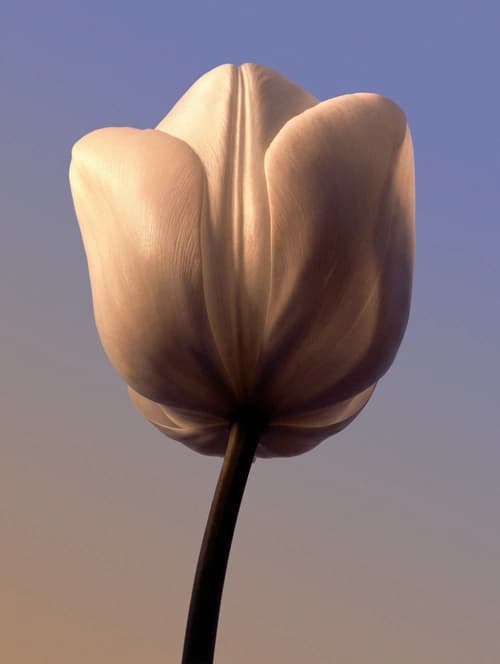
Reliable choices for allergic noses are flowers with hidden or sticky stamens: roses, freesias, lavender and double carnations release barely any pollen. Spring-bulb blooms such as tulips, daffodils and hyacinths naturally keep airborne pollen low. If you react to scent, though, keep in mind: strongly fragrant varieties (hyacinths or certain lilies) can irritate even without pollen flight — here your own nose decides.
Better avoided — or pre-treated: the strongest triggers nearly all come from the composite (daisy) family with their exposed stamens. Chrysanthemums, sunflowers, marguerites and asters shed visibly and are classic hay-fever amplifiers. Gerberas with their open ring of pollen and single baby's breath belong here too. Lilies are a special case: their pollen is fairly heavy, but the strong anthers shed heavily, are hard to wipe off fabric — and stain badly on top.
The florist trick for lilies: snap out the orange anthers as soon as the bud opens — ideally with a tissue or glove, because the pollen stains stubbornly. The benefit is clear: the flower loses its main trigger, and you stop pollen from dropping onto fabrics, the vase and neighbouring blooms. With this one grip, even lilies become bearable for many allergy sufferers.
Here's how the ideal allergy-friendly bouquet comes together: a core of double roses or ranunculus, joined by freesias or carnations, loosely filled with eucalyptus instead of single baby's breath. Eucalyptus adds structure and a clean, fresh scent with no pollen flight. A tip for get-well and new-baby greetings, where tolerance matters most: choose softly fragrant, double varieties — at our buying floor at Veiling Rhein-Maas we already favour fresh, closed buds that open slowly and in a controlled way in the vase rather than dusting all at once.
Frequently asked
- Are roses suitable for allergy sufferers?
- Yes, roses are among the most tolerable cut flowers. Their pollen is heavy and sticky and barely becomes airborne. Double varieties are especially recommended because their pollen-forming stamens are largely bred into petals.
- Which flowers are most likely to trigger hay fever?
- Mainly composites with exposed stamens: chrysanthemums, sunflowers, marguerites and asters. Gerberas and single baby's breath shed more too. Lilies are borderline but can be defused by removing the anthers.
- Why are double blooms lower in pollen?
- In double varieties the stamens — the pollen-forming organs — have been bred into extra petals. Fewer stamens mean less pollen. That's why double roses, ranunculus and carnations are the smart choice for sensitive noses.
- How do I make lilies allergy-friendly?
- Snap out the orange anthers as soon as the bloom opens — ideally with a glove or tissue, since the pollen stains heavily. The lily loses its main trigger, and at the same time you prevent pollen stains on textiles, the vase and neighbouring blooms.