What Blooms in Winter? Flowers for the Cold Season
Amaryllis, hyacinths, hellebore, ranunculus: which blooms carry the winter, what they mean and how they become advent decor — without anything wilting too early.
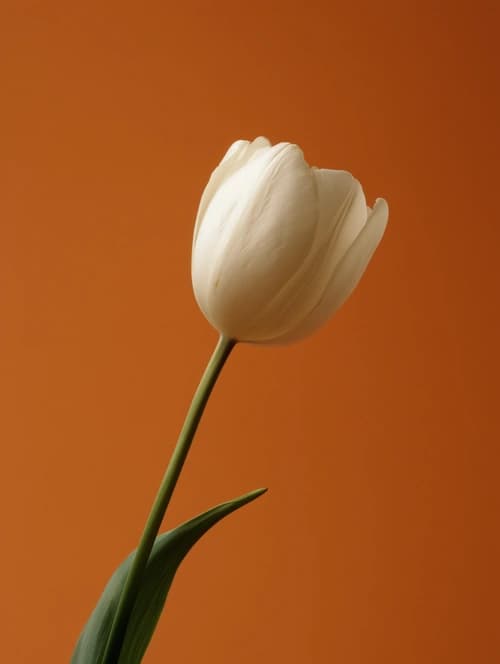
Winter is considered a flowerless season — wrongly so. While frost sits on the beds outside, a second season runs in the greenhouse and on the bulb shelf: amaryllis, hyacinths, true hellebore and early-forced ranunculus bring colour to the darkest weeks. This guide shows what actually blooms, what the flowers symbolise and how to build advent decor that lasts into the new year.
First: where winter bloom even comes from. Hardly any winter flower blooms voluntarily in December. Hyacinths, tulips and amaryllis are „forced“ — the bulbs were chilled and then tricked into early bloom in a warm greenhouse. Ranunculus and anemones originally come from the Mediterranean and Western Asia and reach us from more southern cultures or heated Dutch houses. The only true outdoor bloom of the season is the hellebore (Helleborus niger), which genuinely opens in the garden around Christmas. Understanding this means buying more deliberately: forced stock is a short miracle, not a permanent state.
Second: the key winter blooms at a glance. The amaryllis (knight's star, botanically Hippeastrum) is the queen of the season — huge trumpet flowers on a thick stem, perfect as a solo act. Hyacinths deliver the scent: intense, sweet, unmistakably winter. The hellebore stands for quiet, almost defiant beauty in the middle of the frost. Early-forced ranunculus bring the delicate, many-petalled heads that usually only announce spring. Add greenery like eucalyptus and ruscus, which give a bouquet structure and cool green.
Third: what the flowers mean. In the language of flowers the amaryllis stands for pride, strength and radiant beauty — fitting for the turn of the year as a symbol of inner stability and generosity. The hellebore embodies hope and constancy because it blooms when everything else rests; in old tales it is the flower that brings new confidence at the winter solstice. Hyacinths carry their own message depending on colour — blue for sincerity, white for quiet connection. It is exactly this symbolism that makes winter flowers a considered gift, not just decor.
Fourth: take care when cutting — most winter bulbs bleed. Hyacinths, daffodils and their relatives release a slime from the cut that clogs the vessels of their vase companions and cuts off their water supply. Practice: after cutting, stand bulb flowers separately in lukewarm water for one to two hours until the sap has drained, then add them — without cutting again — to the mixed bouquet. Stabilise the hollow amaryllis stem with a thin wooden or bamboo stick inserted inside — so the heavy flower doesn't snap. Fill water only a hand's width, change it every two days, keep cool and not above a heater.
Fifth: toxicity — worth knowing with children and pets. In amaryllis and hyacinth the strongest toxins sit in the bulb, the part that with cut flowers never enters the home at all. The hellebore is the exception here: it forms no bulb, and all of its plant parts are strongly toxic — it contains the heart poison hellebrin. Plant sap and flower material also irritate mucous membranes, and cats react particularly sensitively. Rule of thumb: place vases with winter flowers out of reach of curious animals and small hands, wash your hands after handling, and don't leave cut scraps lying around. Mind that, and you can enjoy the blooms without worry.
Sixth: turning it into advent decor. Place a single amaryllis as a solitaire in a tall, narrow vase — instantly festive without clutter. For the table, a low arrangement of ranunculus, hyacinths and a little eucalyptus works well, paired with candles and a few twigs. Hellebores show best in small single vases or bowls. Bet on few but flawless stems rather than mass — a handful of A1-quality blooms carries a whole room through advent. That is exactly why we hand-pick the varieties at the auction that still have posture and freshness in December.
Frequently asked
- Which flowers actually bloom in winter?
- In the trade you'll find amaryllis, hyacinths, early-forced tulips, ranunculus and anemones — mostly forced from greenhouses or chilled bulbs. The only true outdoor bloom of the season is the hellebore, which opens in the garden around Christmas. Complementary greenery like eucalyptus and ruscus is also available year-round.
- Why does the amaryllis stem snap in the vase?
- The stem is hollow and carries heavy flowers — eventually it gives under the weight or curls at the end. The proven trick: gently slide a thin wooden or bamboo stick into the hollow stem to support it from inside. Also choose a tall, supportive vase and fill the water only a hand's width.
- Are winter flowers like amaryllis and hyacinth toxic?
- In amaryllis and hyacinth the strongest toxins sit in the bulb — with cut flowers that part never enters the home. The hellebore is the exception: it forms no bulb and is strongly toxic in all of its plant parts (the heart poison hellebrin). Plant sap and flower material can also irritate mucous membranes, especially in cats. Keep the vase out of reach of pets and children and wash your hands after cutting.
- Can I put bulb flowers with other cut flowers in one vase?
- Not right away. Hyacinths, daffodils and tulips release a slime from the cut that clogs the vessels of other flowers. Stand the bulb flowers separately in lukewarm water for one to two hours first, until the sap has drained, and only then combine them — without cutting again — with the rest of the bouquet.
Related topics
Flower Library
Amaryllis
Flower Library
Hyacinths
Flower Library
Ranunculus
Flower Library
Anemones
Flower Library
Tulips
Flower Library
Daffodils
Flower Library
Eucalyptus
Flower Library
Ruscus
Flower Library
Cape Cowslip
Flower Library
Silver Brunia
Plants
Boat Orchid
Plants
Dogwood
Plants
Camellia
Plants
Skimmia
Plants
Holly
Plants
Christmas Cactus
Plants
Witch Hazel
Plants