Plants
Crabapple
Malus · Rosaceae
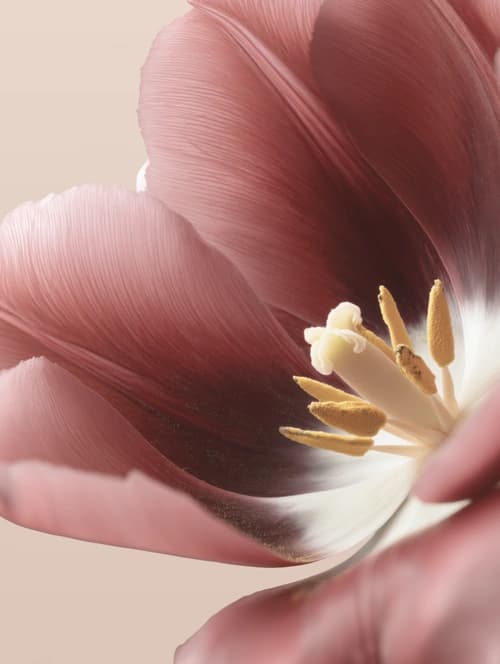
The crabapple is one of the most valuable small garden trees of all: in April and May it stands covered in white to purple-pink blossom, and from September cherry-sized apples glow in red, orange or yellow, hanging into winter on many varieties. On top of that it is bee pasture, bird food shrub and pollinator for orchard apples in one — and stays pleasantly compact at four to six metres.
- Light
- Full sun to sunny; in partial shade the fruit set declines noticeably.
- Watering
- Moderate: water young trees regularly, established ones only in marked summer droughts.
- Care level
- Easy
- Botanical
- Malus
Variety choice determines the joy the tree brings. Proven classics are „Evereste“ with white blossom and orange-red, long-lasting fruit, „Red Sentinel“ with glossy red apples into February, and „Golden Hornet“ with yellow fruit. „Paul Hede“ and other newer selections score with high scab resistance — worth looking out for, since susceptible varieties lose much of their foliage in summer.
The crabapple is an ecological all-rounder: its single flowers are one of the richest bee pastures of spring, and because it blooms at the same time as orchard apples, commercial growers deliberately plant it between the rows as a pollinator. The fruits in turn hang long and feed blackbirds, thrushes and hawfinches into late winter.
Contrary to common assumption, crabapples are not poisonous: they are true miniature apples, merely tart and sour. The pectin-rich fruits make excellent jelly. Only the pips contain — as in every apple — traces of amygdalin and should not be chewed in quantity; dogs should not eat windfall fruit in large amounts.
In floristry we love crabapple branches: blossom branches come via the auction in spring, and in autumn fruit-laden branches that instantly give bouquets, wreaths and Advent arrangements fullness and colour. The little apples last for weeks and are indispensable in autumn and Christmas floristry.
In care the crabapple is uncomplicated: a sunny position, nourishing soil, watering in the first years — it needs little more. A thinning cut in late winter keeps the crown open. Like all apples it can be affected by scab, mildew and fire blight; resistant varieties and an airy position are effective prevention.
Is Crabapple toxic to children and pets?
- Children
- Non-toxic
- Cats
- Mildly irritating
- Dogs
- Mildly irritating
The fruits are edible, just tart and sour — crabapples are true miniature apples. As with all apples, the pips and wilted foliage contain small amounts of cyanogenic compounds; dogs and cats should therefore not eat windfall fruit and leaves in larger quantities.
Typical symptoms: In animals after eating large amounts of windfall fruit including pips or foliage: drooling, stomach upset, vomiting and diarrhoea.
In an emergency:call the German poison control centre in Bonn on +49 228 19240 (24/7) — for pets, contact an emergency vet directly. This information does not replace medical or veterinary advice.
Overview: toxic & non-toxic plants for cats, dogs and children
Care
- 01Sunny position; the more light, the richer the blossom and fruit set.
- 02Nutrient-rich, deep soil; short dry spells are tolerated.
- 03Water young trees during dry periods for the first two to three years.
- 04Thin the crown in late winter; hard pruning is unnecessary.
- 05Choose scab-resistant varieties to avoid leaf drop and spraying.
- 06Collect windfall fruit in autumn if dogs use the garden.
Frequently asked
- Are crabapples poisonous or edible?
- Edible. Botanically, crabapples are true apples, just small, tart and sour — no pleasure raw, but excellent cooked as jelly or compote thanks to their high pectin content. As with any apple: do not chew the pips in quantity, as they contain traces of amygdalin.
- Can a crabapple pollinate my apple tree?
- Yes, excellently. Crabapples flower for a long period and overlap with almost all orchard apple varieties; commercial growers plant them deliberately as pollinators. A single crabapple in the garden noticeably improves the fruit set of surrounding apple trees.
- How big does a crabapple get?
- Most varieties stay compact at four to six metres tall and three to five metres wide, fitting normal home gardens. There are also narrow varieties for small plots and selections grown as standards for pots and front gardens.
- Why does my crabapple lose its leaves in summer?
- Apple scab is usually the cause, a fungal disease that produces brown spots and premature leaf drop in damp weather. Old, susceptible varieties are hit hardest. Removing fallen leaves, an airy crown prune and, in the long run, switching to a scab-resistant variety like „Evereste“ all help.