Plants
Garden Hydrangea
Hydrangea macrophylla · Hydrangeaceae (Hortensiengewächse)
The garden hydrangea turns any partly shaded spot into a sea of blue, pink and violet with its lavish flower heads. In our Duesseldorf workshop we value it as a robust summer beauty that blooms for weeks and stays decorative for months once dried. Its colour can be steered through the soil, making it one of the most fascinating garden plants of all.
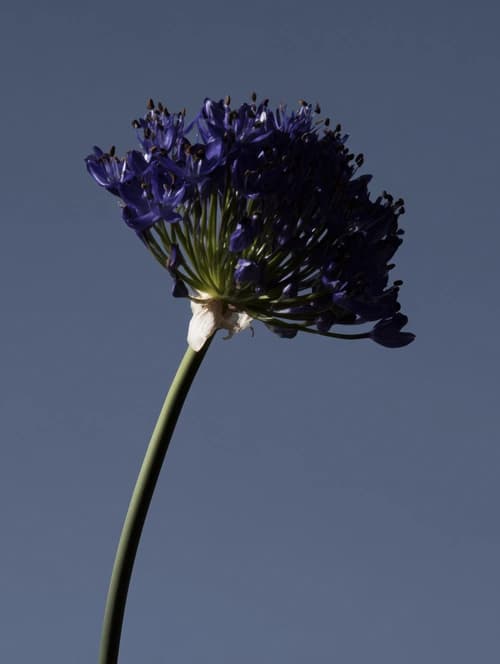
- Light
- Partial shade with morning sun; avoid harsh midday sun, otherwise the blooms droop.
- Watering
- High water demand; keep evenly moist especially on hot days, but without waterlogging.
- Care level
- Easy
- Botanical
- Hydrangea macrophylla
Hydrangea macrophylla is divided mainly into two flower forms: the rounded mophead types with dense, globe-shaped clusters, and the flat lacecaps, in which small fertile florets are surrounded by a ring of large showy blooms. Both types come in countless cultivars and colours.
In floristry the hydrangea is a rewarding structural element. A single flower head fills a vase, while several together create opulent, slightly nostalgic bouquets. In summer hydrangeas are among the most requested cut flowers for weddings and table decorations because they deliver a lot of volume with little effort.
A mark of quality shows in the stem and the bloom: firm, crisp florets without wilted edges and a flower head still tinged slightly green last considerably longer. We buy our cut hydrangeas directly at the Veiling Rhein-Maas, so they reach the workshop fresh without detours through wholesale.
Stylistically the hydrangea suits both rustic-romantic and modern, monochrome arrangements. Tone on tone with roses, lisianthus or astilbe it looks classic, while combined with grasses and eucalyptus it feels airy and contemporary. Dried, it keeps its shape and muted colour for months.
Is Garden Hydrangea toxic to children and pets?
- Children
- Toxic
- Cats
- Toxic
- Dogs
- Toxic
All parts contain cyanogenic glycosides and are toxic to dogs, cats and small animals; keep out of reach.
Typical symptoms: Vomiting, diarrhoea and lethargy after ingestion of leaves or flowers.
In an emergency:call the German poison control centre in Bonn on +49 228 19240 (24/7) — for pets, contact an emergency vet directly. This information does not replace medical or veterinary advice.
Overview: toxic & non-toxic plants for cats, dogs and children
Care
- 01Partly shaded spot with morning sun and protection from harsh midday sun; full sun quickly makes the blooms droop.
- 02Keep evenly moist but avoid waterlogging; the name Hydrangea (water sipper) reveals the high water demand on hot days.
- 03Steer the bloom colour: acidic, aluminium-rich soil (pH below 5.5) turns it blue, limey soil turns it pink; special hydrangea compost helps achieve blue.
- 04Cut back spent blooms only in spring, as most cultivars flower on last year’s wood; otherwise the buds are lost.
- 05As a cut flower, trim the stems fresh, place in lukewarm water and, if the heads droop, briefly submerge the whole flower head so it revives.
Frequently asked
- How long do cut hydrangeas last in a vase?
- With a fresh cut, daily water changes and a cool spot, cut hydrangeas last around a week, often longer. If the heads droop, briefly submerge the whole flower ball in cold water, which usually revives it.
- Are garden hydrangeas toxic to dogs and cats?
- Yes. All parts contain small amounts of cyanogenic glycosides and are toxic to dogs, cats and small animals. Ingestion can cause nausea, vomiting and diarrhoea. Because of the bitter taste, larger amounts are rarely eaten.
- Why are some hydrangeas blue and others pink?
- The bloom colour depends on the soil: in acidic, aluminium-rich soil the flowers turn blue, in limey, neutral soil they turn pink. The colour can be steered through the pH value and hydrangea fertiliser, though white cultivars stay white.
- When do garden hydrangeas bloom?
- The main flowering period runs from June to September, and many modern reblooming cultivars show blooms into early autumn. As cut flowers, hydrangeas are particularly beautiful and abundant in season from May to September.