Photographing Bouquets Beautifully: 7 Tricks for Photos That Work
Why your bouquet glows in the shop but falls flat in the photo — and how to fix it with light, background and angle in five minutes. No expensive camera needed.
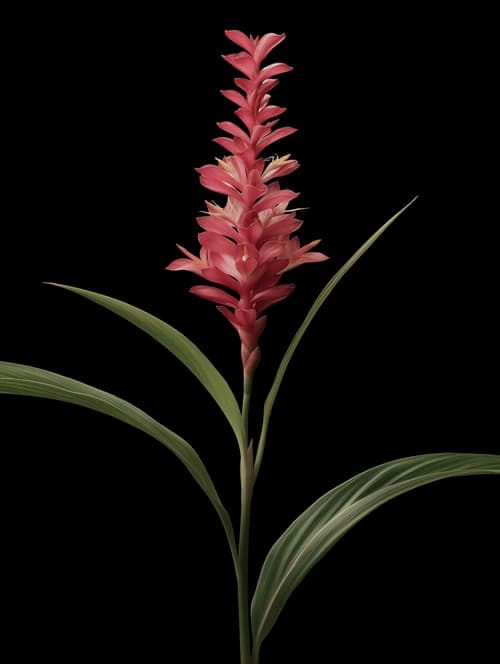
Almost every failed flower photo fails for the same reason: the light. Not the camera, not the bouquet. Once you understand that, you'll take better pictures with your phone than most people manage with expensive gear. The seven steps below need no tripod and no app — just a window and two minutes of patience.
1. Put the bouquet by the window — but not in direct sun. Soft, indirect daylight is the best gift you can give flowers. Harsh midday sun creates hard shadows and blows out white blooms; an overcast sky or the shaded side of a window makes the light soft and even. Place the vase about half a metre to a metre from the window so the light comes from the side — that models the blooms and makes them look three-dimensional.
2. Turn off the flash. The built-in phone flash is the surest route to an ugly flower photo: it flattens the colours, throws a hard shadow onto the wall and makes water droplets look like glitchy specks. If it's too dark, move closer to the window instead of firing the flash.
3. Choose a calm background. A plain white or light grey wall keeps all the attention on the blooms. Colourful bouquets look best against a neutral ground — a kitchen front, a wooden door, a folded linen cloth. Avoid full shelves and patterns behind the bouquet; they make the picture busy and the flowers get lost.
4. Get the angle down. Most people shoot from above — and that's exactly where the bouquet's shape disappears. Photograph at the level of the blooms or slightly from below, and the bouquet looks fuller while its silhouette reads clearly. For flat arrangements, the top-down view is worth it instead. Rule of thumb: bouquet at eye level, bowl from above.
5. Tap the prettiest bloom. Touch the exact flower on the screen that should be sharp — that sets focus and exposure to the right spot. Portrait mode also blurs the background softly, lifting the bouquet off it. Hold the phone with both hands so nothing wobbles.
6. Turn the bouquet toward the light, not the camera toward the wall. Every bouquet has a good side — the spot where the loveliest blooms face forward. Turn the vase until that side points to the window and the camera. A few drops of water on the petals look fresh, but use them sparingly; a soaked bloom looks tired.
7. Take more shots than you need — from several angles. Pros shoot a dozen frames per bouquet and keep two. Alternate between wide and close: once the whole bouquet, once right up to a single tulip or peony. From that mix you can calmly pick the best photo afterwards for a keepsake or social media. And if you have top-grade flowers in front of the lens, it shows in the photo too — fresh blooms need no filters.
Frequently asked
- What time of day is best for photographing flowers?
- Early morning or late afternoon, when the light is soft and not too harsh, works best. Direct midday sun creates hard shadows. On an overcast day, though, you can shoot all day long — the clouds act like a giant diffuser and make the light soft and even everywhere.
- Is a smartphone enough or do I need a proper camera?
- For keepsake photos and social media, a modern smartphone is more than enough. Good light and a calm background matter more than the camera. Use portrait mode for a softly blurred background, tap the bloom to focus and hold the device steady with both hands.
- How do I get the colours in the photo as vivid as in real life?
- The key is natural light without flash — it reproduces colours most accurately. Avoid coloured artificial light such as warm bulbs that cast a yellow tint over everything. A neutral background makes colourful blooms pop further. If needed, lift contrast and saturation only slightly in editing — too much quickly looks artificial.
- From which angle does a bouquet look best in a photo?
- For an upright bouquet in a vase, shoot at the level of the blooms or slightly from below — that lets the shape show. For flat arrangements or bowls, the top-down view is worth it. Turn the bouquet so its best side, with the most open blooms, faces the camera.