Flower Library
Dahlias
Dahlia · Asteraceae
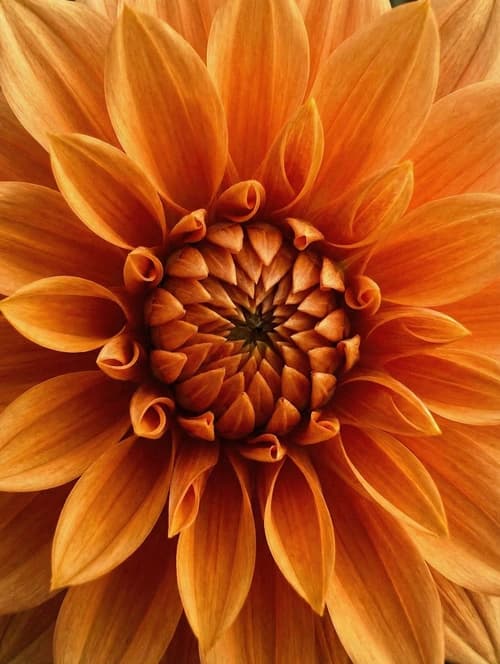
Dahlias come in more than 20,000 varieties — from dinner-plate display blooms to tiny pompons. They're the dominant cut flower of the late season, from August until the first frost.
- Season
- July – August – September – October
- Vase life
- 4–7 days
- Latin name
- Dahlia
- Colors
- White, Yellow, Orange, Pink, Hot pink, Red, Bordeaux, Purple, Black, Bicolor
Key groups: Decorative (lush double, classic), Cactus (pointed narrow petals), Pompon (round, small), Single (one row of petals around a center) and Dinnerplate (display blooms up to 25 cm across).
Dahlias are delicate and need more care than roses or chrysanthemums — vase life around 5–7 days. But they're stunning enough to justify the extra effort.
Is Dahlias toxic to children and pets?
- Children
- Mildly irritating
- Cats
- Mildly irritating
- Dogs
- Mildly irritating
Listed by the ASPCA as mildly toxic to cats and dogs. Ingestion can cause vomiting, drooling and skin irritation; signs are usually mild and often resolve within 24 hours. If poisoning is suspected, consult a vet.
Typical symptoms: Vomiting, increased drooling and skin irritation; symptoms usually stay mild.
In an emergency:call the German poison control centre in Bonn on +49 228 19240 (24/7) — for pets, contact an emergency vet directly. This information does not replace medical or veterinary advice.
Overview: toxic & non-toxic plants for cats, dogs and children
Care
- 01Cut stems at an angle, strip lower leaves.
- 02Briefly dip the stem end in hot water (30 sec) — seals the hollow stem and extends life.
- 03Change water daily.
- 04Keep cool and out of direct sun.
Frequently asked
- Do dahlias only last a few days?
- 5–7 days with clean care — shorter than roses, but unmatched in form and color during autumn.
- When are dahlias in season?
- From July to October from local field-grown crops — peak season is late summer and autumn, until the first frost ends the bloom.
- Are dahlias toxic to cats and dogs?
- Dahlias are considered mildly toxic: if leaves or blooms are eaten, they can cause gastrointestinal upset and mild dermatitis. It's rarely life-threatening, but keep vases out of reach of pets.