What Blooms in Autumn? Fall Flowers at a Glance
Asters, dahlias, chrysanthemums, hydrangeas and grasses — which flowers glow in warm tones from September to November, and how to build a bouquet that truly fits the season.
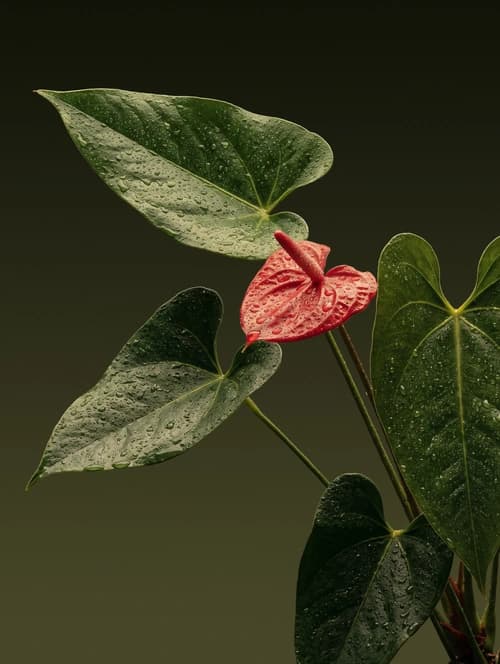
When the days grow shorter, many assume the flower season is over. The opposite is true: autumn is the most color-intense time of the year. While tulips and peonies lean pastel in spring, autumn draws from deep red, amber, rust and burgundy. This overview shows what actually blooms from September to November — and how to combine the stars of the season so a bouquet looks like October, not like summer leftovers.
The five pillars of autumn floristry. Five plant groups carry almost every fall bouquet: asters provide small, star-shaped blooms as filler and bring violet, blue and pink into play. Dahlias are the large-format leads — from the plate-sized decorative dahlia to the compact pompon dahlia. Chrysanthemums last extremely long and cover the warm palette from bronze to yellow. Hydrangeas add volume and structure, their heads turning an antique green-rosé in autumn. And grasses like pampas grass or millet bring movement and lightness that keep a lush bouquet from looking heavy.
The seasonal calendar: what blooms when. Asters open from late August and last into October. Dahlias peak from July until the first frost — they are not winter-hardy and disappear with the first clear frost night. Chrysanthemums are true short-day plants: they only set buds when day and night are roughly equal in length, around the September equinox, then bloom from September into November — often the last color before winter. Hydrangeas flower as early as summer, but their real autumn moment is the antique discoloration of the matured blooms. Buying in season means not only fresher stock but also the stronger, fully developed colors.
How to build an autumn bouquet that doesn't look like summer. 1. Choose a warm lead color — rust, burgundy or mustard — and subordinate everything to that tone. 2. Place one to three large dahlias or chrysanthemums as focal points, not symmetrically but slightly offset. 3. Fill the gaps with asters and smaller blooms so no holes appear. 4. Loosen the whole thing with grasses and dried material — they give that typical autumnal lightness. 5. Keep the stems at varying lengths so the bouquet looks alive rather than like a pompon. This asymmetric, slightly wilder binding style is exactly what separates autumn from the strict spring bouquet.
Symbolism: why autumn flowers tell a richer story than summer ones. In the language of flowers, asters stand for a wish and — as a flower of autumn — for maturity, respect and esteem; a quiet, dignified greeting. Dahlias mean gratitude and connection, red dahlias deep affection. Chrysanthemums carry a double meaning: in Asia they symbolize long life and joy, while in Germany they are also known as grave decoration around All Saints' Day. In a colorful autumn bouquet, however, they shed that somber note entirely — color and context are what matter. Overall, autumn flowers speak of maturity and gratitude, which makes them a fitting greeting for a heartfelt thank-you or a calm occasion.
Which autumn flowers last longest in the vase? Chrysanthemums are the undisputed endurance champions and often stay fresh for two to three weeks. Asters and dahlias are shorter-lived but more spectacular — dahlias reward a daily fresh cut with noticeably more vase life. Hydrangeas are the divas of the group: they drink across the whole bloom and tolerate deep water, but droop quickly when underwatered. The general cut-flower care rules apply here as everywhere — clean water, a fresh cut, no foliage in the water. At the Veiling Rhein-Maas we deliberately pick matured but not overripe stock, because autumn blooms in particular only show their full color in the right ripeness window.
Dried-flower bonus: autumn is the season for drying. Many fall plants — hydrangeas, grasses, strawflowers, yarrow — dry beautifully and hold their shape and color for months. If you bind a fresh autumn bouquet, you can hang part of it upside down in a dark, airy spot and carry the warm tones far into winter. That makes autumn the ideal bridge between fresh floristry and long-lasting dried decor.
Frequently asked
- Which flowers still bloom in October and November?
- In October, asters, dahlias (until the first frost) and chrysanthemums are the main players. In November it is mainly chrysanthemums that, as short-day plants, often deliver the last color before winter — they bloom until the first harder frost. Long-lasting hydrangeas and grasses add to this and keep their charm even when dried.
- Are chrysanthemums only graveyard flowers?
- No. In Germany chrysanthemums are traditionally part of grave decoration around All Saints' Day, but they are by no means limited to that. In a colorful autumn bouquet with warm tones they shed any somber connotation. In Asia they even symbolize long life and joy. What matters is the color and the context in which they are arranged.
- Which warm colors go together in autumn?
- The classic autumn palette runs from mustard yellow through orange and rust to deep burgundy and amber. Pick a lead color and add two or three related tones — that looks more harmonious than a busy mix. Dark foliage, dried grasses and a few green-rosé hydrangeas give the warm palette depth and structure.
- Which autumn flowers dry well?
- Hydrangeas, grasses like pampas grass, strawflowers and yarrow are excellent for drying and keep their shape and color for months. Bind them loosely, hang them upside down in a dark, airy spot and avoid direct sun so the colors don't fade. That way you carry the warm autumn tones far into winter.
Related topics
Flower Library
Asters
Flower Library
Dahlias
Flower Library
Chrysanthemums
Flower Library
Hydrangeas
Flower Library
Pampas Grass
Flower Library
Bluebeard
Flower Library
Love-Lies-Bleeding
Flower Library
Orache
Flower Library
Sneezeweed
Plants
Barberry
Plants
Monkshood
Plants
Japanese Maple
Plants
Firethorn
Plants
Garden Mum
Plants
Coral Bead Plant
Plants
Mexican Sunflower
Plants
Reed Grass
Occasions