Dried & Slow Flowers: The Complete Guide
Which flowers dry well, how they last for months, and why slow flowers are more than a trend. The big-picture overview — with signposts to every detail guide.
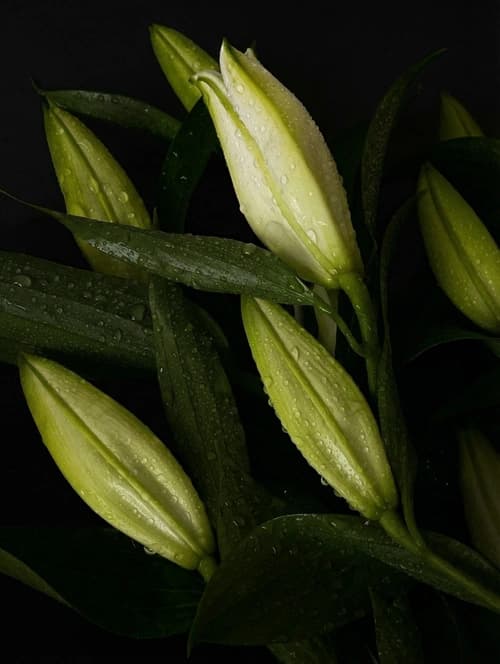
Dried flowers are no longer a dusty gift from grandma — they are the long-lasting answer to the question of how a bouquet can still bring joy weeks later. This guide opens up the whole topic — from choosing the right varieties to three drying methods and the slow flowers movement behind it all. Want to dive deeper? Each section points to its detail guide.
What dried flowers actually are — and aren't. Dried flowers are cut flowers whose moisture has been removed in a controlled way so that shape and colour are preserved. These differ from „stabilised“ or „preserved“ flowers, where the plant sap is replaced with a glycerine solution — those stay soft and flexible but are not a DIY home project. True dried flowers, by contrast, usually come from simple air-drying and, cared for well, last a year or longer.
Which flowers work — and which don't. Rule of thumb: the less water a bloom naturally stores, the better it dries. Classic self-driers are strawflowers, lavender, baby's breath, statice, hydrangeas, allium and grasses like pampas grass. Roses, nigella and scabiosa also dry nicely. Difficult to hopeless are „thirsty“ varieties with fleshy stems and high water content — tulips, lilies and gerberas tend to collapse into mush. If in doubt, check the individual plant via the flower links at the end of this guide.
The three drying methods at a glance. 1. Air-drying: hang flowers upside down in small bundles (max. 8–10 stems) in a dark, dry, well-ventilated spot — darkness preserves colour, airflow prevents mould. Takes one to three weeks. 2. Pressing: place flat blooms between blotting paper in a heavy book, ideal for cards and frames. 3. Desiccant (silica gel): bury blooms in granules — more work, but it holds the shape of delicate heads like roses. Oven and microwave are fast but almost always cost colour and structure.
Making them last — and keeping them that way. Dried flowers keep for at least a year, and many years under good conditions. The biggest enemy is UV light: direct sun acts like an invisible bleach and fades strong tones within months. So place the arrangement somewhere bright but out of direct sun — ideally in the middle of the room or on a wall away from the window. Enemy number two is moisture: bathrooms and kitchens are unsuitable, because residual damp leads to mould. And third, dust — gently dusting once a month with a soft brush or a hairdryer on the cold setting from 30 cm away is enough.
Slow Flowers — the movement behind the trend. „Slow Flowers“ is more than a decorating style. The term goes back to the book of the same name by author Debra Prinzing, published in 2013, and applies the slow-food idea to cut flowers: regional, seasonal, without long cold chains and without the chemical load of industrial mass production. Dried flowers fit this perfectly, because they need no energy for cooling or transport and make seasonal beauty last. Worth knowing: many cheap dried and bleached grasses on the market are chemically bleached or dyed — if you want genuine sustainability, look for unbleached, naturally dried material. At Fleura we choose varieties by character rather than by quantity.
Sustainability, honestly assessed. Dried flowers are ecologically strong when they come from regionally and seasonally grown blooms and are used for years — no water, no electricity, no throwing away after a week. The balance weakens where imported grasses are bleached, dyed and flown halfway around the world. So the honest answer is: it depends on the origin. Buying seasonally, drying yourself and keeping them long is the most sustainable path — and, incidentally, the most beautiful.
How to use the detail guides. This guide is the entry point — the depth sits in the linked topics. The most important varieties have their own instructions: hydrangeas are more prone to wilting than people expect and need the right harvest moment, while pampas grass should be fixed before it sheds. If you're torn between fresh and dried, find the honest pros-and-cons in the dried bouquet comparison. And to understand the movement behind it all, read the slow flowers guide. That way you build, step by step, an arrangement that lasts months instead of days.
Frequently asked
- How long do dried flowers really last?
- At least a year, often much longer. Three things matter: no direct sunlight (UV bleaches the colours), a dry spot away from bathroom humidity (otherwise mould) and regular, gentle dusting. Under glass or in a sealed frame they stay attractive for over ten years.
- Which flowers are best for drying?
- Varieties that naturally store little water: strawflowers, lavender, statice, baby's breath, hydrangeas, allium and grasses like pampas grass. Roses, nigella and scabiosa also work well. Water-rich varieties like tulips, lilies and gerberas are tricky — they tend to collapse when dried.
- Are dried flowers more sustainable than fresh cut flowers?
- It depends on the origin. Self-dried from regionally and seasonally grown blooms and used for years, they are very sustainable — no cooling, no transport, no weekly disposal. Industrially bleached or dyed imported grasses, however, burden the environment and groundwater. Look for unbleached, naturally dried material.
- What is the difference between dried and preserved flowers?
- Dried flowers are dehydrated — they feel dry and slightly brittle. Preserved (stabilised) flowers have a glycerine solution stored in place of water and stay soft and flexible, often looking fresh for months. Preserving is a professional process, whereas drying is easy to do at home.
Related topics
Flower Library
Hydrangeas
Flower Library
Pampas Grass
Flower Library
Lavender
Flower Library
Roses
Flower Library
Baby's Breath
Flower Library
Scabious
Flower Library
Love-in-a-mist
Flower Library
Allium (Ornamental Onion)
Flower Library
Banksia
Flower Library
Sea Holly
Flower Library
Panicum (Switchgrass)
Flower Library
Protea
Further reading
Dried Flowers
Dried Bouquets: Pros and Cons Honestly Weighed
Dried Flowers
Pampas Grass: Care, Drying and Honest Look-Factor
Care
Cut Flower Care: 7 Rules That Actually Work
Style
How to Build a Boho Bouquet: Loose, Natural, Untamed
Craft
Pressing Flowers: How-To, Drying Time and Creative Ideas
Industry
Sustainable Floristry: What Really Matters When You Buy Flowers
Dried Flowers
How Long Do Dried Flowers Last? The Realistic Answer
Dried Flowers
Caring for Dried Bouquets: How to Make Them Last Years
Season