Pressing Flowers: How-To, Drying Time and Creative Ideas
Which blooms press well, how long it really takes, and what to make from the result — from cards to resin. No mould, no frustration.
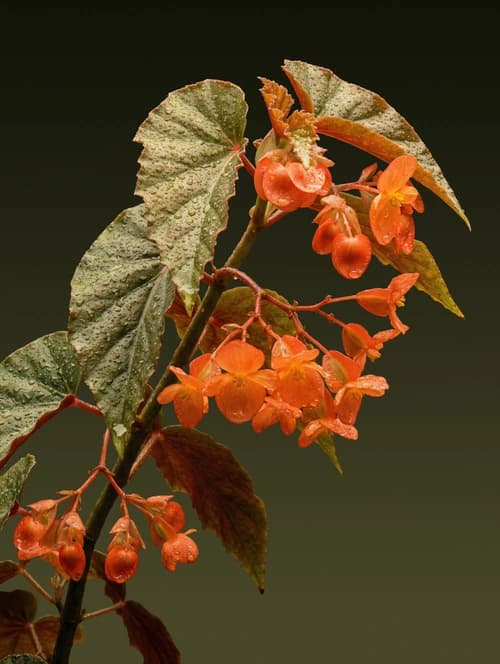
Preserving a blossom for months or years is surprisingly simple — if you get two things right: choose the right flowers and pull out the moisture consistently. The most common frustration when pressing is mould, and it almost always comes from the same two mistakes. This guide takes you from the damp garden to a finished card, frame or piece of resin jewellery.
Which flowers work — and which don't. Flat and delicate is the rule of thumb. Poppies, scabious, asters, baby's breath and the fine petals of ranunculus press beautifully. Lavender and individual leaves succeed effortlessly too. Thick, fleshy blooms like roses or carnations are the advanced league: they hold a lot of moisture and tend to mould before they dry. The trick is to halve them lengthwise down the middle, or to press only individual petals.
1. Harvest correctly. Cut on a dry, sunny day — never while the blooms still carry dew or rain. Residual moisture is the biggest enemy: it is the reason pressed flowers go mouldy. Ideally press within half an hour of cutting, while the blooms are fresh and the colour pigments at their strongest. The earlier drying begins, the more vivid the colour stays.
2. The book method. Place each bloom between two layers of absorbent paper — blotting paper, smooth coffee filters or kitchen towel, not the book pages themselves. Then sandwich it between two pieces of cardboard and lay it inside a heavy book. The cardboard protects the pages from buckling. Stack more books on top. Important: change the absorbent paper every few days, and for thick blooms swap the cardboard after about a week — this draws moisture away before mould can form.
3. The flower press. A wooden press with screws applies more even pressure than a stack of books and is the cleanest solution for regular work. Setup and paper changes are identical to the book. A warm, dry spot speeds things up: placed on a radiator or in the sun, delicate blooms dry noticeably faster. In a hurry? You can press with an iron — between baking paper on a low setting, a thin blossom is ready in minutes, though with a little more colour loss.
4. How long does it really take? Flat, delicate blooms usually need 2 to 3 weeks in a book or press. Thin, low-moisture petals can be ready in 1 to 2 weeks. Thick blooms like halved roses stretch to 4 to 5 weeks. A flower is done when it feels papery and completely dry — if it still bends or feels cool, residual moisture remains and it belongs back in the press.
5. Cards and letters. The simplest creative use: fold a rectangle of watercolour or craft paper and arrange the dried blooms with tweezers. Fix them with a dot of craft glue or — for delicate pieces — a touch of superglue at the stems. A thin layer of adhesive film on top protects against flaking. That turns a summer bouquet into a birthday or thank-you card that outlasts the original.
6. Picture frames. Remove the backing and glass from a frame, clean the glass and arrange the blooms on the backing or a thin card. When you reassemble it, the glass gently clamps the plants in place — if something shifts, a hint of glue or masking tape helps. A light background makes soft tones glow, a dark one makes pale blooms shine. Don't hang the frame in direct sunlight, or the colours will fade over time.
7. Casting resin for jewellery and coasters. The most demanding but most spectacular technique. Mix the two-part resin exactly to the manufacturer's instructions — the ratio varies by product, often 1 to 1 — and stir slowly so few bubbles form. Pour a first thin layer into the silicone mould, let it set slightly, then lay in the blooms and cover them with a second layer. After full curing (often 24 hours or more) you get a crystal-clear piece. Crucial: the blooms must be bone dry — any trace of moisture clouds the resin and can leave brown spots.
Freshness pays off. How vivid a pressed piece ends up looking is decided at the start — by the quality of the bloom. A flower that goes into the press with firm, fully saturated colour keeps more pigment than one past its best. So if you are pressing for a keepsake, it is worth starting with harvest-fresh, top-grade material.
Frequently asked
- Why do my pressed flowers go mouldy?
- Almost always residual moisture. Harvest only on dry days without dew or rain, press soon after cutting, and change the absorbent paper every few days. For thick blooms, also swap the cardboard after about a week — this pulls the moisture away before mould can form.
- How do pressed flowers keep their colour?
- The earlier drying begins, the more pigment survives — so press the freshest blooms you can. Some colours are more stable than others: strong blue, yellow and violet hold up well, pure white tends to yellow. Also never display finished pieces in direct sun, or they fade over the months.
- Can I press roses?
- Yes, but they're advanced because they hold a lot of moisture. Halve the bloom lengthwise down the middle, or press only individual petals — that shortens drying considerably. For whole, halved roses expect 4 to 5 weeks and change the paper consistently.
- Does the resin stay clear when casting?
- Only if the blooms are completely dry. Any residual moisture clouds the resin and can cause brown spots. Also stir the two-part resin slowly to minimise air bubbles, and pour in two thin layers rather than one thick one.