Sustainable Floristry: What Really Matters When You Buy Flowers
Seasonal, foam-free, regional, low-plastic packaging — the four levers that make a bouquet noticeably more sustainable, no florist training required.
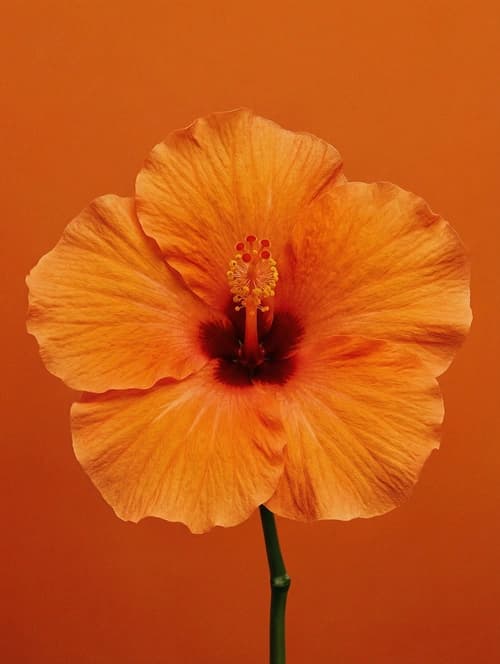
“Sustainable flowers” sounds like sacrifice and compromise — but it isn't. In reality there are four concrete levers a buyer can pull: the season, the floral foam, the origin and the packaging. Know these four and you make better decisions, with no guilt and usually with longer-lasting flowers too.
1. Buy in season — by far the biggest lever. A flower grown outdoors at the right time of year needs no heated greenhouse and no airfreight from overseas. That's where the lion's share of a bouquet's carbon footprint sits: not in the stem itself, but in heating, the cold chain and transport. Tulips and daffodils in spring, peonies in early summer, sunflowers and asters in late summer, chrysanthemums in autumn — follow the calendar and you almost automatically buy more resource-efficiently. An overview of what blooms when helps a lot.
2. Ask for foam-free. The green block that arrangements are stuck into is phenolic foam — petroleum-based plastic. It doesn't biodegrade; it crumbles into microplastics that go straight down the drain when rinsed. A single block holds roughly as much plastic as a dozen shopping bags, and “biodegradable” versions usually still break down only into smaller plastic particles. The good news: it works without. Florists today use pin holders (kenzan), chicken wire, moss, twig structures or simply water in the vessel. When ordering an arrangement, it's fair to ask: “Can you do this foam-free?”
3. Regional over far-travelled. The classic cut-flower trade ships across thousands of kilometres in refrigerated containers. Regional stock from outdoor growers saves that journey — and is often fresher, because it hasn't spent days in transit. The Veiling Rhein-Maas in Straelen-Herongen on the Lower Rhine, right on the Dutch border, is one of Europe's freshest trading hubs and sits practically on our doorstep; short routes and a morning purchase mean less refrigeration and more vase life. It's also worth looking at the Slow Flowers movement, which since 2013 has stood for exactly this: regional, seasonal, low-pesticide growing.
4. Scrutinise the packaging. Lots of cellophane, plastic ribbon and foam collars are habit, not necessity. Paper, raffia, jute, reusable vases or simply a bouquet with no film at all are more sustainable. For online delivery, it also matters whether the water reservoir and padding are recyclable. A simple rule of thumb: the less ends up in the bin after unwrapping, the better. Pretty paper can be composted — a cellophane sleeve cannot.
5. Look at the whole picture, not a single label. Sustainability isn't black and white. A regional outdoor flower wrapped in plastic can come out worse overall than a further-travelled, cleanly packaged one. Low-pesticide growing, fair working conditions, a circular approach in the business — all of it counts. Ask the florist you trust how they buy and whether they avoid floral foam, and you'll usually get an honest answer. Good shops like talking about it.
6. Longevity is sustainability in practice. The most sustainable flower is the one that doesn't hit the bin after three days. Top quality, a fresh cut, clean vase water and the right spot often add days of vase life. Enjoy a bouquet longer and you re-buy less often — which is exactly what saves resources. If you like, extend the season afterwards with dried flowers that last for months and need no care at all.
Frequently asked
- Are “biodegradable” floral foams really eco-friendly?
- Usually only to a limited extent. Many products marketed as biodegradable still break down only into smaller plastic particles under normal conditions rather than fully decomposing. Genuine alternatives are noticeably better: pin holders (kenzan), chicken wire, moss or water in the vessel. When in doubt, simply ask the florist for a foam-free solution.
- What's more sustainable — regional flowers with plastic or imported ones without?
- There's no blanket answer, because several factors interact. The season usually makes the biggest difference: a seasonal outdoor flower grown without a heated greenhouse beats almost any imported stock. Packaging is a second lever, but a smaller one. The ideal is the combination: seasonal, regional, low on plastic.
- How can I tell at the florist whether they buy sustainably?
- The simplest way: ask. Reputable shops are happy to explain origin, season and whether they skip floral foam. Also watch the range — if it shifts with the seasons, that's a good sign of seasonal buying. Very long supply chains and an identical offer all year round tend to point to pure import stock.
- Is sustainability worth it if the flowers will wilt soon anyway?
- Especially then. Longevity is itself a sustainability factor: enjoy a bouquet longer and you re-buy less often, using fewer resources. Top quality, a fresh cut and clean vase water often add several days of vase life — and dried flowers last for months anyway.