Slow Flowers: What Sustainable Floristry Really Means
Regional, seasonal, no import flights — the Slow Flowers movement explained honestly, no greenwashing.
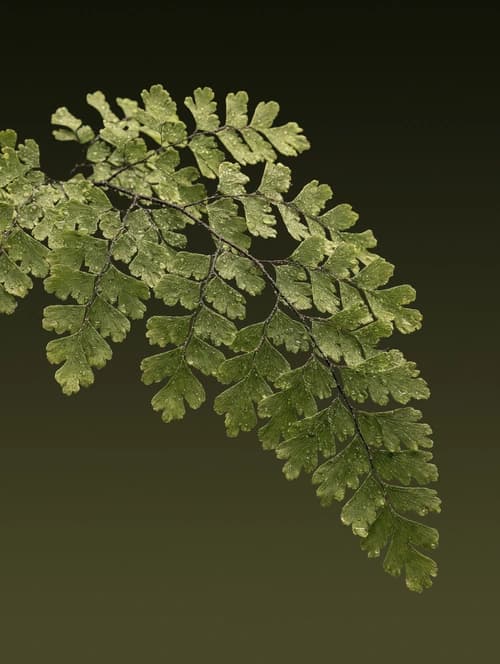
'Slow Flowers' is floristry's answer to Slow Food: regional, seasonal, transparent. Instead of Kenyan roses in January, only what blooms locally. The idea is good, the execution harder than it sounds — especially in German winters.
What Slow Flowers concretely means: no import flights, no year-round artificially available varieties, no glycerine-preserved shipping stock. Instead: German and Dutch field and greenhouse stock, short transport, seasonality.
What it doesn't mean: 100% German growing. Netherlands also counts as 'regional' because transport distance is under 500 km and the supply chain is transparent.
The real conflict: in January Germany has almost no field cut flowers. True Slow Flowers floristry in winter means: only greenhouse tulips, ranunculus, anemones plus dried. Anyone wanting a classic colourful bouquet in January must live with imports.
Fact check CO2: Kenyan field roses often have a better per-stem carbon footprint than heated Dutch greenhouse roses in winter — despite flying. Studies from Cranfield University show this. 'Local' isn't automatically 'greener'.
Where Slow Flowers is clearly better: spring through autumn, when German and Dutch field stock is available. Peonies in May from Holland are ecologically and qualitatively better than Kenyan peonies in January.
What it means for customers: less variety in winter, more variety in season. Higher per-stem prices (not mass commodity) but usually better quality and vase life.
At Fleura: we source primarily via Veiling Rhein-Maas, whose stock is 70–80% from German and Dutch production. We buy imported roses year-round because customers ask for them — but for weddings and events we try to steer toward seasonal where it fits.
If Slow Flowers matters to you: tell us. We can compose a bouquet from 'season only, no imports'. You'll be surprised how much works locally in May and September.
Movement origins: the international Slow Flowers movement was started in 2010 by Debra Prinzing in the US. In Germany the 'Florists Movement' network exists and pioneer farms like Hof Hänsel in Brandenburg or Kleine Buschhof in NRW.
Frequently asked
- Are Slow Flowers always more expensive?
- Per stem often, but not always. Seasonal tulips in March are cheaper than year-round Kenyan roses. Late-summer field hydrangeas are cheaper than heated greenhouse ones.
- How can I spot Slow Flowers florists?
- They communicate origin transparently (named farm or region) and offer seasonal ranges. Selling peonies in January without noting southern imports isn't Slow Flowers.
- Is Veiling stock already Slow Flowers?
- Partly. Veiling is 70–80% regional (DE/NL) but also 20–30% imports. Strict Slow Flowers means selectively buying from the regional share — visible via bidder number and origin code.
Related topics
Further reading
Style
How to Build a Boho Bouquet: Loose, Natural, Untamed
Industry
The Carbon Footprint of Cut Flowers: An Honest Answer
Industry
Fairtrade Flowers: What the Label Really Means
Style
Ikebana: Basics of Japanese Floral Art
Style
Minimalist Floristry: Less Is More — A 6-Step Guide
Industry
Buying Seasonal and Regional Flowers: Is It Worth It?
Season
Seasonal Flowers: Month by Month Through the Year
Dried Flowers
Dried & Slow Flowers: The Complete Guide
Style