Buying Seasonal and Regional Flowers: Is It Worth It?
Fresher, often cheaper, far more sustainable — and how to tell at the stall whether a bouquet is truly in season. Practical know-how, not marketing.
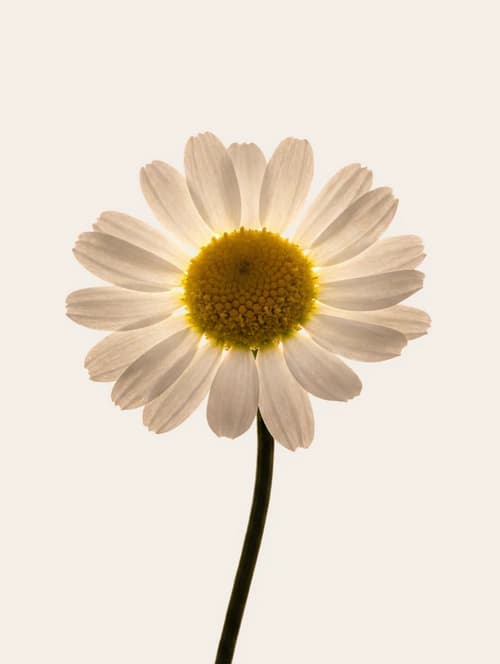
A rose in December and one in June look identical in the shop — the difference is the journey behind them. Buying flowers that are genuinely in season almost always gets you the fresher, often the cheaper, and always the more climate-friendly product. This guide explains why, and how to actually recognise seasonal, regional flowers — before they reach your vase.
Why seasonal means fresher. A flower blooming here and now has a short trip from field to vase. It's cut riper, chilled for less time and rarely transported for days. Imports, by contrast, often have to be harvested half-closed to survive the flight and the cold chain — days are lost before the bouquet even reaches the florist. You notice those lost days later as vase life. Seasonal flowers simply last longer more often, because their clock started ticking later.
Why seasonal is often cheaper. Price follows effort. When a variety is at peak season, supply is large, energy input is low and there's no heated greenhouse or air freight involved. A sunflower in August or a tulip in March almost always costs less than the same flower forced against the calendar. Buy against the season and you're paying for the heating, the cold store and the kerosene.
Why seasonal and regional is more sustainable. Many imported cut flowers travel by plane and grow in heated greenhouses with high energy and water use — a single imported rose can account for several litres of water. Cold stores also release fluorinated greenhouse gases with many times the climate impact of CO₂. A bouquet from local field-grown stock causes, depending on the study, only a fraction of the emissions of comparable imports. Buying regional and in season is the single most effective lever you have as a buyer.
How to spot seasonal flowers — 5 practical checks: 1. Just ask where the flower is from. A good florist names origin and season without hesitation. 2. Read the price against the calendar — unusually expensive for the time of year suggests imports. 3. Note the ripeness: seasonal stock can be more open without losing vase life. 4. Smell it — fresh field flowers usually have a stronger scent than long-chilled imports. 5. Use the field as a rough guide: tulips, daffodils and ranunculus in spring, sunflowers and dahlias in summer, asters and chrysanthemums in autumn, amaryllis and hyacinths in winter.
Where the line really sits. Regional doesn't mean everything suddenly comes from the field next door in January — that's physically impossible. A large share of flowers sold in Germany passes through the Veiling Rhein-Maas on the Dutch-German border, meaning short distances compared with overseas air freight. In practice “regional” often means: from the wider region rather than another continent. That's exactly where we at Fleura buy every day, because short routes and A1 quality go hand in hand — what's been travelling for a week can hardly still be fresh at the stall.
The Slow Flowers idea — what's behind it. The Slowflower movement, organised as an association in the German-speaking world since 2019, brings together flower farmers and florists who deliberately work regional, seasonal and without air freight — often on small, insect-friendly fields free of pesticides. You don't have to join to benefit: it's enough to ask one question on your next purchase — “What's in season right now?” — and let the florist choose the varieties. The result is almost always fresher, often cheaper and easier on your conscience.
Frequently asked
- Do seasonal flowers really last longer than imported ones?
- Usually yes. Seasonal stock has short routes behind it and is often cut riper instead of spending days in the cold chain. Ageing starts later, so more vase time is left. It's not guaranteed — proper care matters too — but the starting point is clearly better.
- Are regional flowers automatically organic and pesticide-free?
- No. Regional says something about the transport route, not the growing method. Pesticide-free cultivation is more likely with slow-flower and organic growers. If that matters to you, ask specifically about method and certification — both are independent of origin.
- Which flowers are in season when in Germany?
- Roughly: spring tulips, daffodils, hyacinths, ranunculus and freesias; summer sunflowers, marguerites, dahlias and many summer cut flowers; autumn asters and chrysanthemums; winter amaryllis and forced hyacinths. Stay flexible on the variety and there's something fresh from the field in every season.
- Does buying seasonal actually pay off financially?
- In peak season, almost always. Large supply pushes the price down, and there's no heating, cold store or air freight. You feel the difference most when you buy a variety against the calendar — tulips in midsummer, say. Stay flexible on the variety and the same budget usually buys noticeably more bouquet.