Caring for Dried Bouquets: How to Make Them Last Years
Three enemies age dried flowers — dust, sun and moisture. Know them, and a bouquet lasts two to three years instead of a few months.
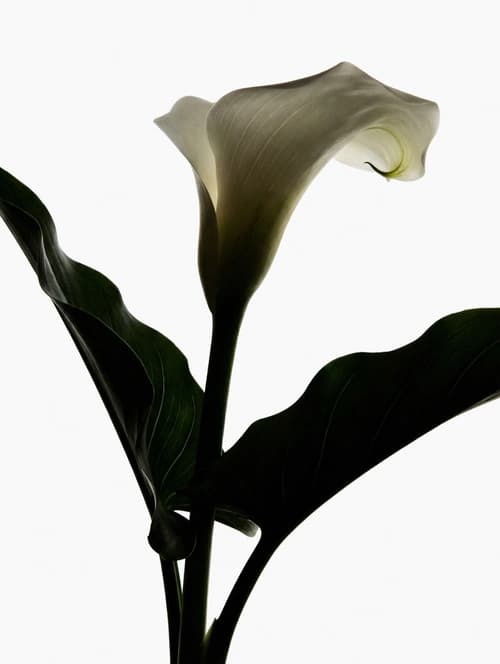
“Dried flowers are low-maintenance” — true, but that doesn’t mean maintenance-free. A dried bouquet doesn’t age in water, it ages in the air: dust, UV light and moisture work quietly against it. Get those three under control and you turn “a few months” into two to three years — sometimes far longer.
How long does a dried bouquet last? Realistically one to three years. Hardy varieties like pampas grass, lavender, strawflowers or eucalyptus often last longer; delicate blooms fade sooner. Under a glass dome or in a glazed frame — protected from dust, light and air — arrangements can stay beautiful for over a decade. The difference almost always comes down to location, not the flower.
1. Remove dust without plucking. Dust settles like a grey veil over the fine structures and dulls the colours. The gentlest method is a soft brush or make-up brush, working top to bottom through the bouquet. For larger arrangements a hairdryer on the COOL setting from about 30 cm works — never warm, heat makes the blooms brittle. Blowing is the quick fix in between.
2. Keep it out of the sun. UV light is the strongest bleach for dried flowers: it breaks down the natural pigments (anthocyanins, carotenoids), and bold tones fade to pastel within months. A bright spot is lovely — but hours of direct sun is the fastest route to a washed-out bouquet. Ideal: in the middle of the room or on a wall away from harsh window light.
3. Staying dry is non-negotiable. Moisture is more dangerous than light because it reverses the drying: blooms go soft, lose their shape and can mould. That rules out the bathroom and kitchen, as well as spots next to a tumble dryer, sink or a window often left open in the rain. A well-ventilated, dry room keeps the bouquet holding its shape.
4. Tame the shedding on grasses. Pampas grass and other seed heads lose seeds and fluff over time. A whisper-thin mist of hairspray from 30 cm binds the fine particles without clumping — one light pass, never soak it. The same goes for other fragile seed heads. Moving the bouquet rarely and keeping it out of draughts reduces shedding on its own.
5. Don’t water it, mist it or try to ‘revive’ it. The most common mistake: treating dried flowers like cut flowers and putting them in water or spraying them. Both are a sure path to mould. Dried flowers need no vase with water — a dry vase, a jug or a simple wall-hung tie is plenty.
6. Know when it’s time to let go. Faded colours, brittle stems and heavier shedding are the signs a bouquet is past its peak. You don’t have to bin all of it: often a few robust stems can be recombined — a smaller, fresh bouquet from the best leftovers can carry another season.
Frequently asked
- How long does a dried bouquet really last?
- Realistically one to three years. Hardy varieties like pampas grass, lavender or eucalyptus often last longer, delicate blooms fade sooner. Protected under a glass dome an arrangement can stay beautiful for over a decade — what matters is dust, light and moisture at its location.
- How do I clean dust off dried flowers?
- Most gently with a soft brush, top to bottom. For larger bouquets a hairdryer on the cool setting from about 30 cm helps — never warm, heat makes the blooms brittle. Never wipe or spray with water.
- Can I put dried flowers in water?
- No. Water or misting reverses the drying — the blooms go soft and mould. Dried flowers go into a dry vase or jug, with no water at all.
- Why do my dried flowers fade so fast?
- Almost always direct sun. UV light breaks down the natural pigments and bleaches bold colours within months. A bright spot away from harsh window light — for example in the middle of the room — preserves the colours far longer.