Urn Flowers: Small-Scale, Dignified Arrangements
Why urn flowers aren't just shrunken casket sprays — and which blooms, forms and colours actually work at this small scale.
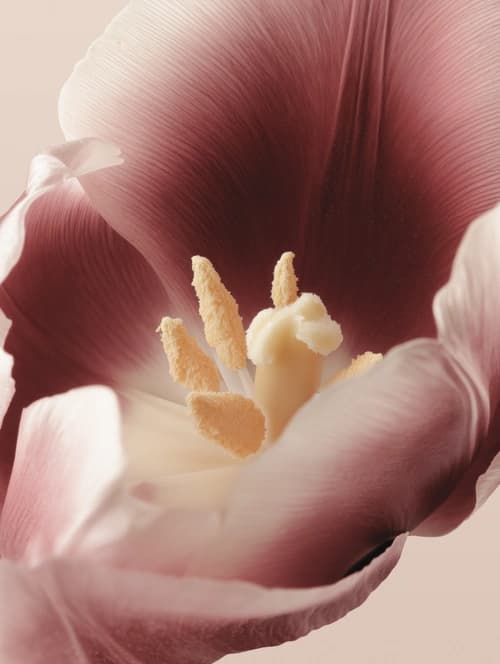
An urn burial calls for its own scale. An urn is small, smooth and usually rests on a plinth or at the grave's edge — a massive wreath overwhelms it rather than accompanying it. Planning urn flowers means thinking not in terms of „less casket spray“ but in a finer language of form altogether. This guide explains which shapes, varieties and colours hold up at the small scale.
1. Decide the form first, then the flowers. Funeral floristry knows three classic urn shapes: the small urn wreath that rings the urn like a slim band; the head arrangement, a compact piece on the lid; and the garland that cascades down one side. Rule of thumb: the decoration should accompany the urn, not conceal it — a good portion of the urn's surface stays visible. Cover it completely and the urn looks like an accidental stand for the flowers.
2. The attachment must leave the urn unharmed. This is the trickiest point and the reason urn flowers are real craft: the smooth surface offers almost no grip. In the workshop a small block of moist floral foam — often wrapped in moss — is fixed to the lid with tape and crossing wires, without scratching or gluing the urn. A small urn wreath that simply rests on the rim of the lid is the gentlest option. For rented urns or valuable vessels, agree the method with the funeral director beforehand.
3. Delicate varieties over big heads. This is where the small scale truly shines: blooms that vanish in a heavy casket spray finally get their stage on the urn. Proven choices are small-flowered roses, lisianthus (eustoma) with its soft, lightly ruffled petals, freesias, gerberas in their smaller forms, and calla for a clean, slender line. Eucalyptus and ruscus give greenery and structure without weighing things down. Lush large heads like full hydrangeas quickly feel oppressive on the small surface — they belong to the larger format.
4. Colour as a quiet statement. White and cream dominate funeral floristry — they have always stood for purity, peace and comfort, and they are the safest choice if you didn't know the deceased closely. To go more personal, work with symbolism: white lilies signify the pure soul, white callas stand for immortality, violet tones (in chrysanthemums, for instance) express dignity and respect, soft pinks affection and gratitude. A subtle accent in the deceased's favourite colour often says more than any ribbon.
5. Think seasonally — it decides quality. An urn arrangement often stands unprotected outdoors for hours, sometimes in full sun or wind. Seasonal, freshly harvested flowers withstand that far better than exotics flown in from afar. Freesias and ranunculus peak in spring, lisianthus and gerbera carry the summer, chrysanthemums and helleborus give depth to autumn and early winter. For pieces like these we buy at the Veiling Rhein-Maas in the morning and insist on top-grade quality, precisely because the arrangement has to survive the day without vase water.
6. Keep the scale — and think of the day after. A common mistake is ordering the arrangement too large because one wants to give „enough“. On an urn that quickly tips into the disproportionate. Better a small, densely worked piece with fine varieties than a loose, oversized one. It also helps to add a small sympathy bouquet that can move into a grave vase after the ceremony or be handed to the family to take home — so the flowers accompany them beyond the day itself.
Frequently asked
- How large should urn flowers be?
- Noticeably smaller and more compact than a casket spray. The urn is a small object — a large, massive wreath looks out of proportion. As a guide: the decoration should accompany the urn and leave part of its surface visible rather than conceal it entirely. A small, densely worked piece with fine varieties reads as more dignified than a large, loose one.
- Which flowers suit an urn burial?
- Delicate, small-flowered varieties show best at this scale: small-flowered roses, lisianthus, freesias, smaller gerberas and calla for a clean line, with eucalyptus or ruscus as greenery. White and cream are the classic, always-appropriate choice; personal colour accents are fine if you mind the symbolism. Lush large heads suit the bigger casket format better.
- How are urn flowers attached without damaging the urn?
- The smooth surface offers little grip, so the craft matters. The usual method is a small block of moist floral foam fixed to the lid with tape and crossing wires, without scratching or gluing. The gentlest option is a small urn wreath that simply rests on the rim of the lid. For rented or valuable urns, clarify the attachment method with the funeral director in advance.
- What happens to the flowers after the ceremony?
- The urn arrangement itself is usually laid on the fresh grave. It helps to add a small separate sympathy bouquet that can go into a grave vase afterwards or be handed to the family to take home, so the flowers accompany them beyond the day. If you want this, mention it when ordering.