Which Flowers Suit a Funeral? The 5 Classic Sympathy Flowers and Their Meaning
Lily, chrysanthemum, carnation, calla and rose each carry their own message. Which flower says what — and which colour belongs to whom.
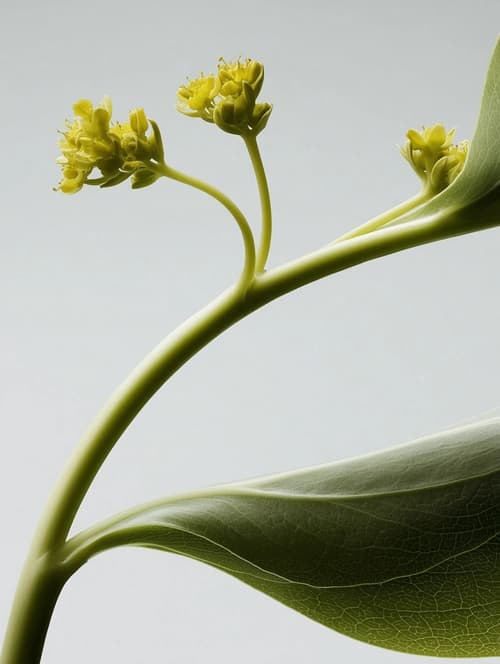
Before a funeral, many people are unsure: which flower is the right one? Sympathy floristry is never just decoration — each of the classic mourning flowers carries a centuries-old message, and colour shifts that message once more. This guide explains what lily, chrysanthemum, carnation, calla and rose truly say, so your gesture conveys exactly what you mean.
The white lily is the most universal of all sympathy flowers — and the one with the deepest symbolism. It stands for the restored purity and innocence of the soul after death and, in Christian tradition, is closely linked to the Virgin Mary. Its upward-reaching trumpet has long been read as an image of the soul's passage into the light. It is the only mourning flower that carries both death and resurrection — which is why it dominates casket arrangements and funeral wreaths across Europe. One important note: lilies are highly toxic to cats, from the bloom and pollen to the vase water itself. If you are bringing a bouquet to a grieving family with a cat, choose another variety.
The chrysanthemum is the mourning flower in much of Catholic continental Europe. In France, Italy, Belgium and Poland it is so tightly bound to death and the cemetery that you would never give it to a living person as a house gift — it would read as condolence. The reason is half symbolic, half practical: it blooms in late autumn, survives cold November weather and stays fresh on a grave for weeks, especially around All Saints' Day. Symbolically, the white chrysanthemum stands for sincere love, fidelity and honouring remembrance. In Germany the connotation is a little softer — colourful varieties also appear in cheerful autumn bouquets — yet the white chrysanthemum is clearly read as a grave and mourning flower. Choosing it sends a dignified, unambiguous signal.
The carnation is the reliable, often underrated sympathy flower. It stands for fidelity beyond death, pure love and deep connection — and its long vase life makes it the quiet backbone of many arrangements. Watch the colour: white carnations mean pure affection and remembrance, red an admiring, heartfelt love, pink a quiet remembrance. Thanks to its price and form, it fills many large wreaths without ever pushing itself forward.
The calla is considered the most elegant of mourning flowers. Its clean, chalice-shaped bloom is almost architectural and stands for immortality, purity and resurrection — a meaning drawn from its plain white elegance. It suits modern, pared-back sympathy work in particular, where a few blooms say more than a lavish bouquet. The same caution applies: the calla contains calcium oxalate crystals and is irritating to pets, though rarely an issue in a funeral context.
The rose is the most personal mourning flower, because its colour determines precisely who presents it. Red roses are traditionally reserved for the closest relatives and loved ones — they say „I loved you“. White roses stand for reverence, innocence and a new beginning in the hereafter, and suit any mourner. Pink and pastel roses express gratitude and gentle affection, ideal when red would feel too intimate. A single rose laid on the casket is one of the strongest silent gestures there is.
So how do you actually choose? First: clarify your relationship to the deceased — close relatives may be explicit with red roses or a personal arrangement, while more distant mourners reach for white. Second: when in doubt, stay with white and muted tones; they are never out of place. Third: mind the season — chrysanthemum, carnation and calla are robust and available year-round, while the range of lily and rose varieties shifts seasonally. Fourth: talk to your florist about the occasion and the message you want, not only the type of flower. We buy our sympathy flowers in the morning at Veiling Rhein-Maas in A1 quality — longevity matters most when an arrangement must hold for days at a graveside.
Frequently asked
- Which flower is the most classic for a funeral?
- The white lily is Europe's most universal mourning flower because it symbolises both the purity of the soul and resurrection. In France, Italy and Poland the chrysanthemum is the definitive funeral flower. With white as your base colour, you can't go wrong with either.
- May you bring red roses to a funeral?
- Red roses are traditionally reserved for the closest relatives and life partners — they signify deep, personal love. As a more distant mourner, choose white or pastel roses instead, which express reverence and quiet affection without feeling too intimate.
- Which sympathy flowers last the longest?
- Chrysanthemum, carnation and calla are especially robust and survive days at a graveside — the chrysanthemum even blooms deliberately in cold November. Lilies and roses are slightly more delicate. Freshly sourced A1-grade flowers, however, last considerably longer than supermarket stock, which makes the difference for grave arrangements.
- Are sympathy flowers dangerous to pets?
- Lilies are highly toxic to cats — even pollen or the vase water can cause kidney failure. The calla also irritates the mouth and throat with calcium oxalate crystals. So if a grieving family has a cat, bring carnations, chrysanthemums in moderation, or roses instead.