Plants
Hellebore
Helleborus niger · Hahnenfußgewächse (Ranunculaceae)
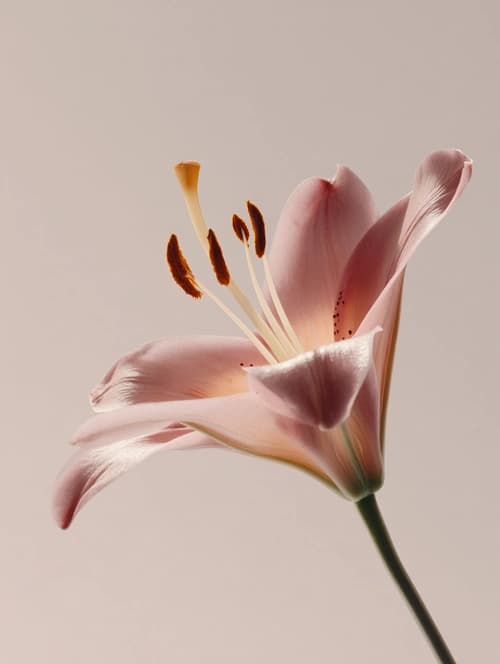
The Christmas rose is perhaps the bravest plant in our range: while almost everything else lies dormant, it opens its bowl-shaped flowers from late autumn into spring, often right in the snow. We deliberately choose potted plants with plenty of buds at the Veiling Rhein-Maas so they keep flowering for weeks after purchase. As an evergreen perennial it is both a winter eye-catcher in a pot and a plant for life in the bed.
- Light
- Partial to full shade, no harsh sun in summer, brighter in winter is welcome.
- Watering
- Keep evenly moist, neither letting it dry out nor allowing waterlogging.
- Care level
- Medium
- Botanical
- Helleborus niger
Botanically, hellebore belongs to the genus Helleborus in the buttercup family. The true Christmas rose (Helleborus niger) always carries pure white, bowl-shaped flowers that fade to a soft pink tinge over time. What many take for petals are botanically sepals, which is why they stay attractive for so long. Alongside it are the earlier, more colourful snow and Lenten roses.
The Lenten rose (Helleborus x hybridus, formerly orientalis) is the great colour wonder of the genus: from white through rose, apricot and plum to almost black purple, often spotted, veined or doubled. It blooms a little later, mostly from February to April. Snow roses are crosses of the Christmas rose with Mediterranean species and impress with especially lush, long-lasting flowers from December into April.
In floristry and winter sales, hellebore is most in demand as a potted plant, for instance for bowls, Advent plantings and winter graves. The evergreen, leathery leaves and the nodding flower cups look refined and restrained at once. As a cut flower the blooms are tricky, which is why we deliberately prefer to sell it in a pot, where it gives pleasure for far longer.
In a pot or winter bowl we like to combine the Christmas rose with skimmia, wintergreen, blue cypress, moss and twigs. Its clear white brings calm to dark winter days. In the bed it looks best beneath deciduous shrubs, where it gets light in winter and partial shade in summer, ideally planted in small groups as a lasting clump.
Is Hellebore toxic to children and pets?
- Children
- Highly toxic
- Cats
- Highly toxic
- Dogs
- Highly toxic
Highly toxic in all parts due to saponins, protoanemonin and cardiac glycosides, and the sap also irritates the skin. Dangerous to cats, dogs and children, so keep out of reach and wear gloves when handling.
Typical symptoms: Drooling, abdominal pain, vomiting and diarrhoea; larger amounts can cause cardiac arrhythmias.
In an emergency:call the German poison control centre in Bonn on +49 228 19240 (24/7) — for pets, contact an emergency vet directly. This information does not replace medical or veterinary advice.
Overview: toxic & non-toxic plants for cats, dogs and children
Care
- 01Place or plant in partial to full shade, no harsh midday sun in summer, but brighter conditions are fine in winter.
- 02Keep the soil evenly moist but never waterlogged, hellebores tolerate neither drought nor wet feet.
- 03Prefer lime-rich, humus-rich and free-draining soil, and ensure good drainage and a drainage hole in pots.
- 04Keep potted plants cool, not in an overheated room, they flower longest outdoors or in a cold hallway.
- 05Once planted, avoid moving them again, hellebores need time to establish and grow more beautiful year after year.
- 06Cut away withered, spotted leaves in late winter so the flowers stand out better, ideally wearing gloves.
Frequently asked
- Is the Christmas rose toxic to cats, dogs and children?
- Yes, hellebore is highly toxic in all parts of the plant. It contains saponins, protoanemonin and cardiac glycosides among others, which can cause nausea, vomiting, diarrhoea and serious heart problems. The plant sap also irritates the skin. It therefore belongs out of reach of children and pets, and it is best to wear gloves when cutting or tidying it.
- When does the Christmas rose bloom and for how long?
- Helleborus niger flowers, depending on the weather, from November or December into March, the classic Christmas and winter period. A single bloom lasts many weeks because the showy parts are botanically sepals. Lenten and snow roses can extend the season into April.
- Can I plant the Christmas rose in the garden after buying it?
- Yes, in fact that is ideal. After flowering, a potted Christmas rose can move into the bed in a partly shaded spot with lime-rich, humus-rich soil, ideally under deciduous shrubs. The key is not to move it again afterwards, as it needs to settle and establish, growing fuller year after year.
- Why does my Christmas rose droop in a warm room?
- The Christmas rose is an outdoor perennial and likes it cool. In an overheated room the air dries out and the plant wilts quickly. Place it bright but cool, for instance on a windowsill in a cold hallway, on a balcony or straight outdoors, and keep the soil evenly moist. It will then recover and keep flowering for weeks.