Flowers Toxic to Cats: The Essential List
Which flowers can kill a cat, which are merely unpleasant — and what to do in the first hours. A list that matters when it counts.
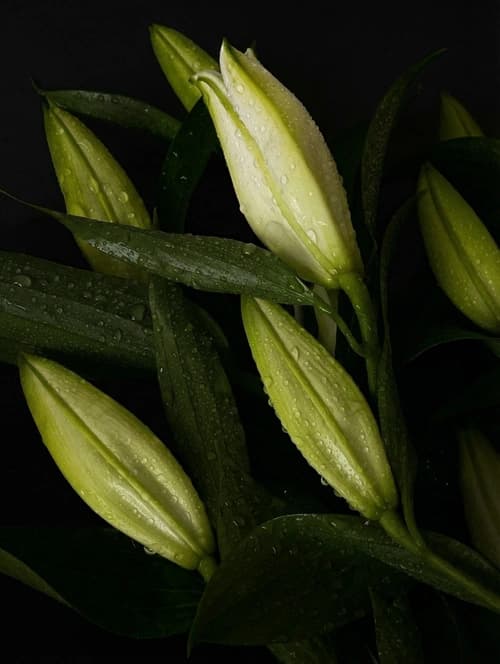
One sentence first, because it saves lives: true lilies are not “somewhat toxic” for cats — they are an acute emergency. Even pollen on the fur or a sip of vase water can trigger fatal kidney failure. This list ranks the most common cut flowers by danger level, names the symptoms, and tells you when the trip to the vet starts to matter.
Level 1 — life-threatening: lilies. All true lilies (Lilium) and daylilies (Hemerocallis) — Asiatic, tiger, Easter, stargazer and trumpet lilies — are highly toxic to cats. The whole plant is dangerous: bloom, leaf, stem, pollen and even the water they stood in. A cat does not even need to eat them — licking pollen off its fur is enough. Within 2 to 12 hours come vomiting, drooling and lethargy; after 24 to 72 hours acute kidney failure sets in. Untreated, it is often fatal. If you have a cat, this flower simply does not belong in the home — not even “out of reach”, because pollen travels.
Level 2 — seriously toxic: daffodils, tulips, hyacinths, lily of the valley, amaryllis. These spring bloomers carry most of their toxin in the bulb, with smaller amounts throughout the plant. Daffodils contain lycorine and other alkaloids, causing vomiting, diarrhoea, abdominal pain, tremors and, in severe cases, cardiac arrhythmia. Lily of the valley also acts on the heart and is especially treacherous. These flowers usually turn deadly only in larger amounts — but “just” vomiting and circulatory trouble are serious enough in a small animal to warrant a vet visit.
Level 3 — irritation and discomfort: chrysanthemums, asters, ranunculus, some gerbera companions. Here we rarely talk about life and death, but about drooling, vomiting, diarrhoea and skin irritation. Chrysanthemums contain pyrethrins — the same compound group found in some anti-flea products that cats tolerate poorly. A nibbled stem will ruin the cat's day but is usually not an emergency. Observe, offer water, and call if symptoms persist.
The cat-safe side of the list. There are lovely cut flowers considered non-toxic to cats: roses, sunflowers, gerberas, freesias, marguerites, asters (in moderation) and baby's breath. “Non-toxic” does not mean “meant to be eaten” — thorns, plant fibres or a stomach full of petals can still cause an upset. But no bouquet has to become a no-go zone: skip the lily, choose these varieties, and you can have flowers at home even with a cat. Mention it when you buy — a good florist will build the bouquet deliberately lily-free.
Emergency — the first steps, in this order. First: do not wait. With lilies every hour counts; within the first six hours survival chances are good, after 18 hours they drop sharply. Second: remove plant matter from the mouth and gently wipe pollen off the fur so the cat cannot lick it. Third: call your vet or the nearest animal clinic immediately — even at night. Fourth: do not induce vomiting yourself (no salt, no home remedies), it can do extra harm. Fifth: take a photo or a piece of the plant — the exact variety guides the treatment.
Prevention is easier than rescue. Place bouquets on surfaces the cat cannot climb — though seasoned climbers reach almost everywhere. Do not change vase water in the sink where the cat drinks. When in doubt buy lily-free and ask which varieties are in the bunch — mixed bouquets in particular often smuggle in a single lily. And keep your clinic's number where you can find it instantly in a panic. Few poisonings happen out of carelessness — most happen because no one knew the pretty flower in the vase was a risk.
Frequently asked
- Are all lilies toxic to cats?
- True lilies (Lilium) and daylilies (Hemerocallis) are highly toxic and can cause fatal kidney failure — this includes tiger, Easter, stargazer and Asiatic lilies. Some plants with “lily” in the name, like calla or peace lily, are botanically different and act differently (usually irritant rather than kidney-damaging). When in doubt, treat any lily as an emergency and call the vet.
- My cat nibbled a tulip — do I need to rush to the vet?
- For a small amount of bloom or leaf, observing and offering water is often enough; tulips are mainly dangerous in the bulb. If vomiting, heavy drooling, diarrhoea or lethargy appear, call the vet. If your cat ate a large amount or any bulb material, go in without waiting.
- Which cut flowers are safe to keep at home with a cat?
- Roses, sunflowers, gerberas, freesias, marguerites and baby's breath are among the non-toxic options. “Non-toxic” does not mean “edible” — thorns or lots of petals can still cause an upset. Simply ask your florist for a deliberately lily-free bouquet.
- Can vase water harm my cat?
- Yes — with lilies even the water they stood in is toxic. A cat drinking from it can take in a dangerous dose. Don't change vase water in the sink where your cat drinks, and keep vases with risky flowers out of reach — or better, out of the home entirely.
Related topics
Flower Library
Lilies
Flower Library
Tulips
Flower Library
Daffodils
Flower Library
Amaryllis
Flower Library
Lily of the Valley
Flower Library
Chrysanthemums
Flower Library
Sunflowers
Flower Library
Gerberas
Flower Library
Allium (Ornamental Onion)
Flower Library
Dogs Tooth Violet
Flower Library
Summer Snowflake
Flower Library
Glory Lily
Plants
Monstera
Plants
Weeping Fig
Plants
Yew
Plants
Hosta
Plants
African Milk Tree
Plants
Clivia
Plants
Flame Lily
Plants
Satin Pothos
Occasions