Plants
Leopard Plant
Ligularia · Asteraceae
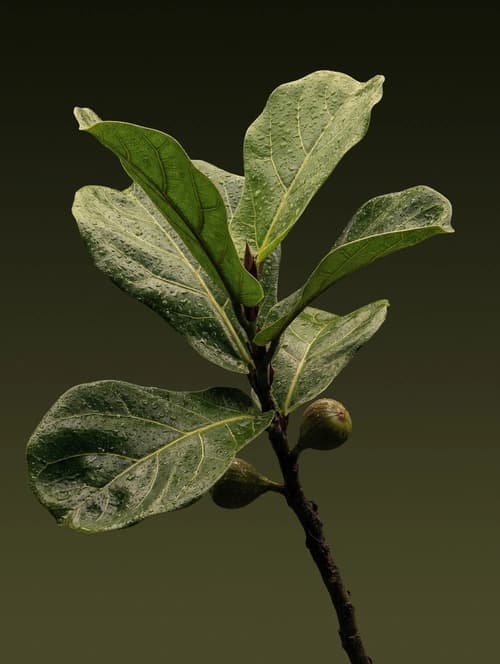
Ligularia is a perennial with real presence: huge, often darkly coloured leaves, topped in high summer by golden-yellow flower spikes or large daisy clusters well over a metre tall. It is the first choice for moist, partially shaded corners, pond edges and heavy soils — exactly the places where many other showpiece perennials fail. Give it water and it pays you back in architecture.
- Light
- Partial shade; full sun only on permanently wet soil.
- Watering
- High — never let the soil dry out; moist to boggy sites are ideal.
- Care level
- Medium
- Botanical
- Ligularia
Two growth types define the range: Ligularia dentata with plate-sized, rounded leaves and orange-yellow daisy flowers — ‚Desdemona‘ and ‚Othello‘ with red-brown foliage are famous — and the spike types such as Ligularia przewalskii or ‚The Rocket‘, whose slender, black-stemmed flower spikes stand over the border like torches.
Its water demand is the key to everything: in the wild, Ligularia grows on stream banks and in wet meadows. In the garden that means boggy to permanently moist, ideally loamy and nutrient-rich soil. At a pond edge where the ground never dries out, it becomes a perennial sculpture.
The well-known midday flop needs correct reading: on warm days Ligularia lets its big leaves droop even when the soil is moist — the leaf surface simply transpires faster than the roots can resupply. By evening it stands upright again. Only if it is still limp in the morning is water truly lacking.
In design it is a specimen plant for moist partial shade: with ferns, ornamental grasses and hydrangeas the large foliage creates a calm, almost tropical contrast. The yellow spikes glow especially strongly against dark shrubs and draw plenty of insects in July and August.
Two care points decide success: first, slugs — the tender spring shoots are a delicacy and need protection in the early weeks. Second, the site: in full sun on dry soil the foliage scorches inevitably, no matter how much you water.
Is Leopard Plant toxic to children and pets?
- Children
- Mildly irritating
- Cats
- Mildly irritating
- Dogs
- Mildly irritating
Like many of its relatives, Ligularia contains pyrrolizidine alkaloids that can strain the liver, especially with repeated ingestion. A single nibble usually causes at most stomach irritation; pets and children should nevertheless never eat the plant.
Typical symptoms: Ingestion may cause drooling, vomiting and diarrhoea; regular intake risks liver damage.
In an emergency:call the German poison control centre in Bonn on +49 228 19240 (24/7) — for pets, contact an emergency vet directly. This information does not replace medical or veterinary advice.
Overview: toxic & non-toxic plants for cats, dogs and children
Care
- 01Choose moist to boggy, nutrient-rich soil — pond edges or heavy loam are ideal.
- 02Prefer partial shade; full sun only with permanently wet feet.
- 03Water deeply during dry spells; Ligularia is a heavy drinker.
- 04Protect the young spring shoots rigorously from slugs.
- 05Feed with compost or organic fertiliser in spring.
- 06Midday leaf drooping on hot days is normal — act only if the plant is still limp in the morning.
Frequently asked
- Why does my Ligularia droop at midday?
- That is normal for the big leaves: on warm days they transpire more water than the roots can resupply in the short term — even in moist soil. By evening the plant perks up again. Only if it is still limp in the morning does it need watering.
- What is the right spot for Ligularia?
- Partially shaded and permanently moist — pond edges, stream sides and heavy, nutrient-rich soils are perfect. Full sun only works if the ground never dries out. On dry sandy soil the perennial will never be happy, however often you water.
- Is leopard plant toxic to dogs or cats?
- Ligularia contains pyrrolizidine alkaloids and should therefore not be eaten. A single nibble usually causes only stomach irritation, but regular ingestion can damage the liver. In practice animals rarely touch the plant because of its bitter compounds.
- How do I protect Ligularia from slugs?
- The first weeks of spring are decisive, when the soft shoots emerge — they are a slug favourite. Slug pellets, collars or evening hand-picking around the clump protect reliably. Once the leaves have toughened, the damage drops off noticeably.