Seasonal flowers
Winter Flowers
Winter isn't the barren phase many imagine. Tulips arrive in full variety from January, ranunculus and anemones round it out, amaryllis bulbs bloom indoors for weeks. December belongs to fir floristry, January to the spring start.
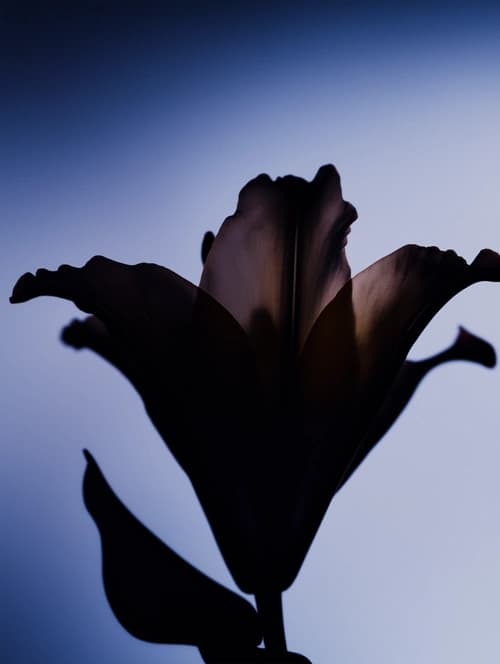
December: Advent floristry dominates. Wreaths, fir arrangements, amaryllis bulbs, Christmas rose. First tulips arrive late December.
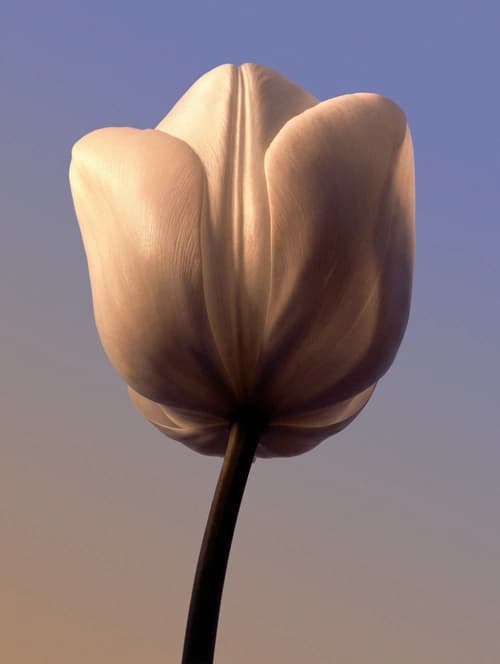
January: spring start with tulips, ranunculus, anemones. First hyacinths. Imported roses continue year-round.
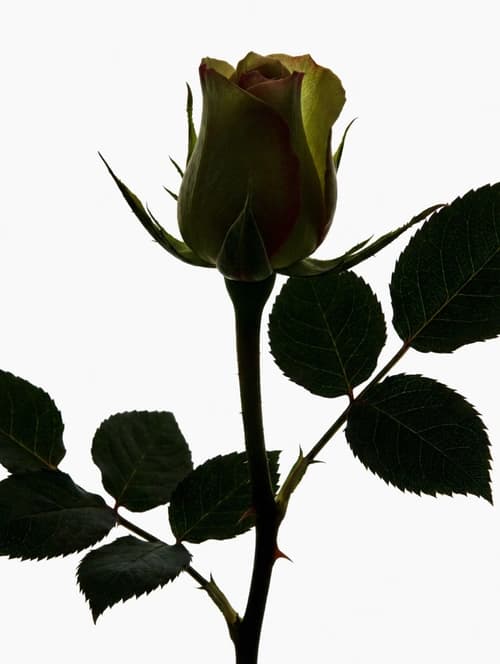
February: tulip peak. Rose surge around Valentine's. Ranunculus and anemones at peak, first daffodils.
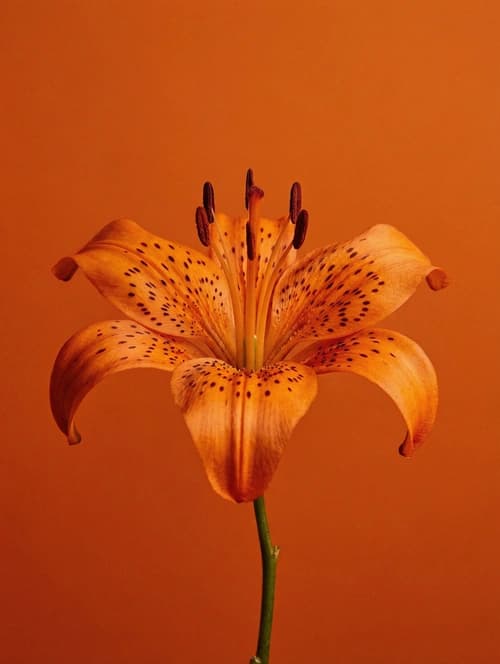
Winter characteristics: heavier varieties (amaryllis), structural flowers (calla, lilies), warm mid-tones. Vase life in winter is better than in summer because room temperatures are lower and bacterial growth slower.
Buy a bouquet in winter and you often get longer-lasting varieties. A well-cared-for January tulip lasts 8–10 days. The same tulip in April only 5–7.
Potted plants supplement winter: amaryllis, cyclamen, orchids, anthuriums. Last weeks rather than days — a good gift alternative to cut flowers.
Winter occasions: Christmas (December), New Year, Valentine's Day (February). Business customers often order in November for Advent rentals and December table decor.
Dried flowers hold their position from autumn — many private customers now keep dried bouquets as long-term decor.


Frequently asked
- Are there really fresh cut flowers in winter?
- Yes — tulips, ranunculus, anemones from German and Dutch greenhouses. Imported roses year-round. Searching 'winter season flowers' and thinking there's nothing is wrong — winter is often floristically better than April.
- Should I give plants instead of flowers in winter?
- Amaryllis and cyclamen are classic winter gifts and last longer than cut flowers. But for the fresh-bouquet effect, buy tulips or ranunculus — they're as fresh in winter as in spring.