DIY Table Arrangement: Low, Cohesive, in 8 Steps
The most common mistake in a table arrangement is its height. How to build a low bowl you can still talk over — step by step.
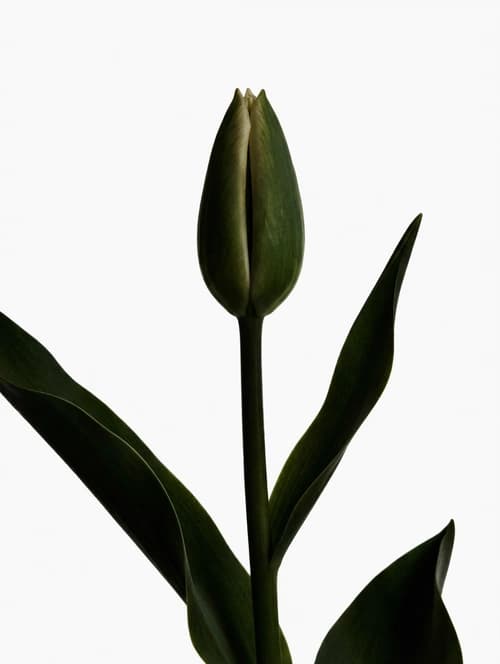
A table arrangement has one job most people fail at: it should look beautiful without blocking the conversation. The florist's rule of thumb is simple — either keep the decoration under about 25 cm, or take it well above 60 cm (tall, slim candlesticks). Anything in between sits right at eye level and forces your guests to crane around the flowers. This guide covers the low version in a shallow bowl.
1. Choose the right bowl. For a low arrangement, use a flat, wide vessel — a ceramic bowl, a tray with a rim, or an elongated shape for the centre of the table. It shouldn't be too shallow or the flowers won't hold; too tall and the decoration builds up unnecessarily. Rule of thumb: the finished arrangement should sit clearly below the seated guests' eye level at its highest point.
2. Prepare the base — floral foam or an alternative. Classically you work with wet floral foam, cut to fit the bowl. Lay it flat in a water bath and let it sink on its own rather than pushing it down — that way it soaks up evenly. If you'd rather avoid plastic foam: a metal flower frog or a scrunched ball of chicken wire in the bowl holds the stems just as well and is reusable. The only thing that matters is keeping enough water in the vessel so the stems never run dry.
3. Decide the shape before you start. Pick one: round (for the centre of a round table, beautiful from every side) or elongated (for a long banquet table). For an elongated arrangement you build a low, broad line; for a round one a shallow dome. The key is to think low from the start — trimming later is tedious.
4. Build the base with greenery. Start with foliage such as eucalyptus or ruscus, placed flat and reaching out over the rim of the bowl. This greenery is the framework: it hides the foam, sets the outer edge and acts as the connecting element between the flower colours. Only once the green base shape stands do the blooms go in.
5. Flower choice: fewer colours, more impact. The golden rule of good table arrangements is less is more — one base colour plus one or two accent colours. Low bowls suit compact, rounded blooms like carnations, ranunculus or scabious, with asters in late summer; gypsophila loosens it up. Place the strongest bloom first, then work from the outside in. Cut stems at an angle so they draw water well from the foam.
6. Match it to the occasion. For a festive dinner the arrangement can be denser and more colourful; for an everyday meal a calm bowl with three to five flower types is plenty. Mind the scent: strongly fragrant flowers compete with the food — on the dining table, subtle or barely scented varieties are more pleasant. And deliberately leave room between the arrangement and the tableware; after all, people still need to eat.
7. Use symbolism deliberately. If you want the table to carry a message, play it through the flower choice: red carnations stand for deep affection, ranunculus are seen as a symbol of charm and attraction, asters for trust and patience. For occasions like Mother's Day or an anniversary, it pays to place one or two symbolically fitting blooms on purpose rather than picking by colour alone.
8. Location and longevity. Place the finished arrangement somewhere cool and out of direct sun, away from heaters and not next to a fruit bowl — ripe fruit releases ethylene and ages blooms faster. Top up the floral foam with a little water every day so it never dries out. Built well, a table arrangement easily lasts the whole festive week.
Frequently asked
- How tall should a table arrangement be at most?
- Rule of thumb: either under about 25 cm or well above 60 cm. Anything in between sits at eye level and disrupts conversation across the table. For the low version in a shallow bowl, build it so guests can comfortably keep eye contact over the flowers.
- Do I really need floral foam for a table arrangement?
- No. Floral foam is convenient because it fixes stems at any angle and stores water, but it's single-use plastic. A sustainable alternative is a metal flower frog or scrunched chicken wire in the bowl — both hold the stems and are reusable. The only thing that matters is keeping enough water in the vessel.
- Which flowers suit a low table arrangement?
- Compact, rounded blooms work best in shallow bowls — carnations, ranunculus or scabious, and asters in late summer. Gypsophila and foliage like eucalyptus or ruscus loosen things up and connect the colours. On the dining table, avoid very strongly scented varieties, as they compete with the food.
- How long does a homemade table arrangement last?
- With fresh, good-quality flowers and a little care, a well-built table arrangement lasts around a week. The key is never letting the floral foam dry out — top up with a little water daily. Keep it cool, out of direct sun and away from a fruit bowl, since ripe fruit releases ethylene that ages blooms faster.