Flowers and Air Quality: Myth and Truth
Do plants really clean the air? What the famous NASA study doesn't say — and what flowers actually do for your indoor climate.
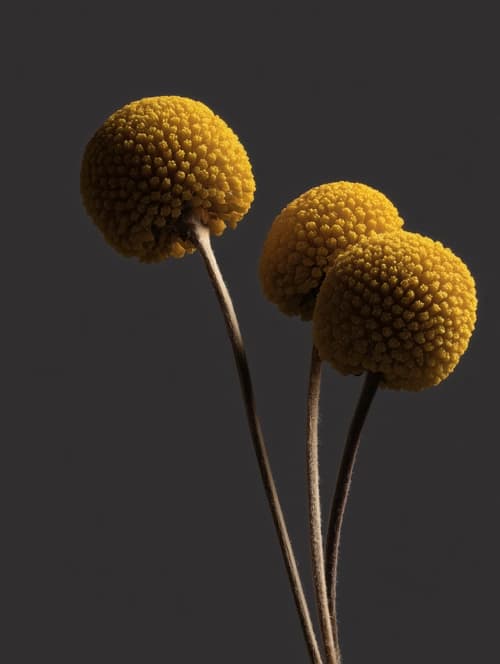
“Three plants per room and your air is clean” — you've probably heard that one. It comes from a misreading of a real NASA study. Here we soberly separate myth from truth: what cut flowers and houseplants actually do for your indoor climate, what they don't — and how to get the most out of them.
The myth first: in 1989 NASA tested whether plants could clean the air on space stations. Inside airtight sealed chambers, plants did break down volatile organic compounds (VOCs) such as formaldehyde. From that came the popular advice that “a few plants clean your living room.” The catch: a living room is not a sealed chamber.
The truth: in a normally ventilated room, the air exchange from opening windows and natural airflow removes pollutants many times faster than plants could ever absorb them. Later studies did the math: to recreate the NASA-chamber effect at home, you'd need roughly 100 to 1,000 plants per square metre of floor — a jungle, not a living room. As air purifiers, flowers and plants simply don't work. Even NASA relies on filter technology on the ISS, not on potted plants.
What flowers really do — part 1: humidity. Cut flowers and plants release water into the air through leaves and petals (transpiration). In dry, heated winter air this is a real, if modest, contribution to a more pleasant indoor climate. The optimal range is 40 to 60 percent relative humidity — good for mucous membranes, eyes and general comfort. Don't expect miracles from a bouquet, but a few vases won't hurt a dry home.
What flowers really do — part 2: psychology and wellbeing. Here the evidence is strongest. Fresh flowers within sight measurably lower stress, lift mood and improve focus. This isn't an esoteric effect; it's been confirmed repeatedly in studies of recovery rooms and workplaces. So if you want a reason to bring flowers home, the indoor climate in your head is the most honest one.
How to get the most out of it — the practice: 1. Ventilation stays king. No bouquet replaces airing out; three minutes of cross-draught does more for the air than any plant. 2. Group against dryness: several vases or plants together raise local humidity more noticeably than scattered ones. 3. But beware too much moisture: stagnant vase water and damp, tightly packed pots are a breeding ground for mould and bacteria — that worsens the air rather than improving it. Change the water every two to three days. 4. Choose a cool, bright spot; flowers then last longer and transpire more evenly.
An honest word on allergies and pets: flowers are not a neutral air-improver for every household. Pollen-heavy cut flowers can irritate allergy sufferers, and some popular blooms are toxic to cats and dogs. If you're sensitive or have animals, choose deliberately — we have dedicated guides for that. At the Veiling Rhein-Maas we focus on freshness and A1 quality; low-pollen or pet-friendly varieties can be assembled on purpose rather than picked at random.
Frequently asked
- Do houseplants really clean the air?
- In a normal, ventilated room, virtually not measurably. The famous NASA study was run in airtight chambers — at home, simply opening a window exchanges air far more effectively than plants ever could. Clean air comes from ventilation and filters, not potted plants.
- Do cut flowers raise the humidity in a room?
- A little, yes. They release water through leaves and petals. In dry, heated air this is a small, pleasant contribution — but it won't replace a humidifier if you specifically need to reach 40 to 60 percent. Several vases grouped together have a more noticeable effect than a single one.
- Can flowers in the bedroom worsen the air?
- The old worry that plants “use up the oxygen at night” is a myth — the amounts are negligible. The real risk is different: stagnant, rotting vase water can smell musty and harbour bacteria. Change the water regularly and that's a non-issue.
- Which flowers are suitable for allergy sufferers or with pets?
- Low-pollen, double-flowered varieties irritate allergy sufferers less, and some popular blooms are toxic to cats and dogs. So choose deliberately — we have dedicated guides on allergy-friendly flowers and toxicity for pets to make the safe choice easier.