Giving Flowers as a Wedding Guest: What Works, What to Avoid
Bridal bouquet, table decor, full hands — where does a guest's bouquet still fit? The honest answer, plus the flowers, handover rules and alternatives that truly land.
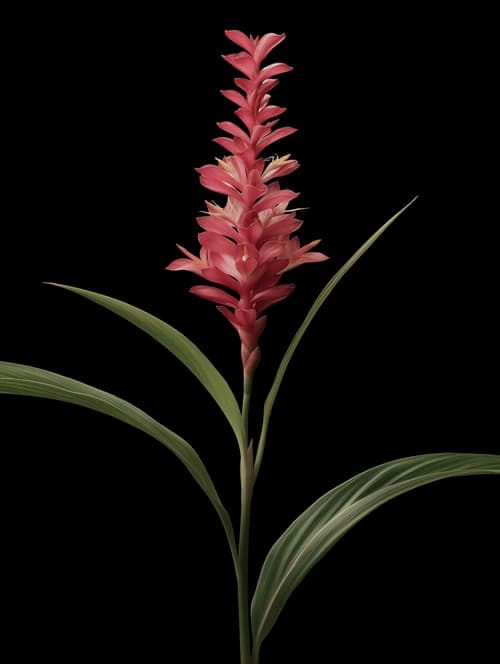
The honest truth first: on the wedding day itself, a bouquet as a guest gift is often the least practical choice. The couple already holds the bridal bouquet, the venue is full of table arrangements, and nobody has a spare vase or a free hand. That doesn't mean flowers are off-limits — you just have to get the timing, the variety and the format right. That's what this guide is about.
Why a bouquet gets lost on the day itself. At the wedding your bouquet competes with the bridal bouquet and the whole day's floristry — it simply doesn't stand out, and it mostly creates logistics stress for the couple in their finest moment: carrying it, watering it, finding somewhere to put it down. If you want to give flowers, the more elegant route is to send them a few days before the wedding or for the engagement — or afterwards, once the apartment is empty again and the honeymoon is over. Then a fresh bouquet is a genuine welcome-home gift rather than a burden.
Which symbolism suits the couple. If it is going to be flowers, the documented meanings are worth a look. Roses classically stand for love, in pink for affection and in white for a pure new beginning — a safe choice. Tulips carry the meaning of loyalty and constancy, freesias stand for trust and tenderness, peonies are seen in many cultures as flowers of luck and love and fit the occasion perfectly with their lush fullness. Ranunculus essentially say “you are radiant” — a lovely compliment to the couple.
Be careful with white lilies. A trap many fall into: in the international language of flowers and in floristry, white lilies mean purity and innocence — and they are even historically popular as a bridal flower. In German-speaking countries, however, everyday associations link them strongly to mourning and funerals. As a guest you are better off not giving them on their own. If you want the elegant lily look, combine them with fresh greenery such as eucalyptus and coloured blooms — then the perception tips from grief to freshness and new beginnings.
How to hand over flowers without disrupting. If you do decide on a bouquet on the day, here is the etiquette: 1. Don't hand it over during the ceremony, the champagne-reception photos or the opening dance — those moments belong to the couple. 2. Look for a calm transition, for instance when guests move to the meal. 3. Don't push the bouquet straight into the couple's hands; ask the witnesses or the service staff whether there is a gift table or a bucket of water. 4. Keep the card short — one warm line is enough. That keeps your greeting personal without leaving the couple juggling wet stems and hunting for a vase.
The better alternatives. Because a cut bouquet wilts quickly on the wedding day — and the honeymoon often follows immediately — longer-lasting gifts are frequently the smarter call. A flowering potted plant, such as an orchid as a symbol of luck and beauty, stays with the couple for months rather than days. The combination of money and a flower is also popular: the envelope is tied to a small bouquet or pot with ribbon, so the cash gift feels personal rather than blunt. And if the couple asks for contributions to a wedding fund in the invitation, that is the clearest wish — best to respect it directly.
Think about season and quality. A bouquet that matches the time of year feels more coherent and lasts longer: spring thrives on tulips, ranunculus and freesias, summer on peonies and hydrangeas, autumn on dahlias and asters. If you ask a florist to tie a bouquet “in the wedding colours”, check the palette with the couple or witnesses first — white-and-green, pastel or bold tones change everything. Here in Düsseldorf-Pempelfort we buy each morning at the Veiling Rhein-Maas and prefer to tie fewer but flawless stems — precisely for an occasion where everything should be right, longevity counts more than quantity.
Frequently asked
- Should a guest bring flowers to the wedding at all?
- On the day itself, rather not — the couple has full hands, and the bridal bouquet plus table decor make any guest bouquet redundant. It is more elegant to send flowers a few days before or after the celebration as a welcome-home greeting. If the invitation asks for contributions to a wedding fund, that wish takes priority.
- Which flowers suit the couple and which are best avoided?
- Roses (love), tulips (loyalty), freesias (trust), peonies and ranunculus fit beautifully through their symbolism. White lilies on their own are tricky in German-speaking regions because of strong mourning associations — combined with eucalyptus and coloured blooms they read as fresh instead. As a rule: match the season and, ideally, the wedding's colour palette.
- What do you give instead of flowers at a wedding?
- A long-lasting potted plant such as an orchid stays with the couple for months rather than days. The combination of a cash gift and a flower is very popular — the envelope is tied to a small bouquet or pot with ribbon. That keeps the gift personal without it wilting or getting in the way on the day.
- When and how do you best hand over flowers at the wedding?
- Never during the ceremony, photo sessions or the opening dance — those moments belong to the couple. Find a calm transition, such as the move to the meal, and ask the witnesses or staff about a gift table or water bucket rather than pushing the stems into the couple's hands. A short, warm card finishes it off.