Wedding Flowers: The Complete Guide
Bouquet, colour scheme, season, budget and table décor — the thread through your entire wedding floristry, without half the budget vanishing into an arch of imported roses.
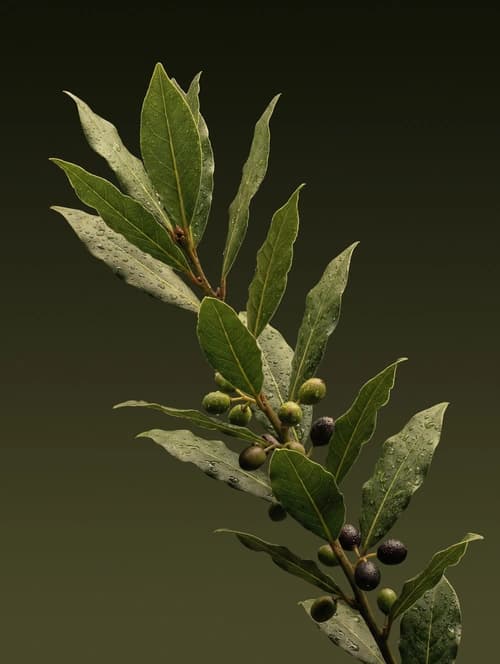
Wedding flowers are rarely a single object — they are one coherent picture: bouquet, boutonnière, table décor and arch all have to speak to each other. Thinking of it as one concept from the start saves money and nerves, and avoids the most common mistake of ordering each piece separately without a plan. This guide opens up the whole topic and links the right detail guide for each area.
Don't start with the flower, start with the colour scheme. Two, at most three colours plus a green note (often eucalyptus or ruscus) carry an entire wedding. That palette then runs through everything — bouquet, boutonnière, table, arch. Deciding anew per element gives you a colourful jumble that looks restless in photos. A good trick: lay the dress and an offcut of the tablecloth side by side and judge flower colours against them, not on a screen.
The bridal bouquet is the centrepiece and follows a logic of style and height. A loose, hand-tied round bouquet looks natural and suits most people; a cascade (flowing downward) is more elaborate, pricier and needs a certain height so it doesn't overwhelm; a minimalist stem-to-stem bunch fits clean, modern looks. Which shape suits your dress and type, and which flowers bind well, is in the detail guide on bridal bouquet styles.
Season is the biggest lever — for looks and budget at once. Peonies and ranunculus peak in late spring and early summer, lush and affordable; in winter the same peonies cost a multiple and have less volume. Summer weddings live on dahlias, hydrangeas and roses, autumn on asters and late dahlias, winter on amaryllis, anemones and ranunculus. Planning with the season rather than against it gives stronger blooms for less money — every honest florist's rule of thumb.
For the budget, a realistic frame beats a wish picture. A seasonal, classically hand-tied bridal bouquet usually runs roughly 120 to 200 euros; elaborate cascades or out-of-season imports head toward 250 to 400 euros. Across the whole wedding, flowers tend to land at around eight to thirteen percent of the total budget. The most effective saving: place a few expensive „focal“ blooms (peony, garden rose) and stretch them with cheap fillers like baby's breath, carnations or plenty of greenery. How to prioritise and where to safely save is covered in the budget guide.
Table décor decides the mood of the room — and it's where people overpay most. Low, loose arrangements let guests talk across the table; tall ones look grand but cost far more material. A proven middle path: a few tall pieces at key spots, small posy vases and candles between them. Leftover pieces from the arch or ceremony can be redistributed onto the tables in the evening — double use for the same money.
Boutonnières are small but steeped in tradition: the custom of wearing a bloom on the lapel, close to the heart, is most often traced to medieval knights who carried a flower from their lady into battle as a token of loyalty, and it took hold as proper buttonhole décor from the 16th century on. A simple rule still applies today — the boutonnière flower should appear in the bouquet so the picture holds together. Typically the groom, best man and groomsmen wear one. Which blooms are sturdy enough and how to make a boutonnière last all day is in the groomsmen and boutonnière guide.
Finally the timeline, where most people stumble: wedding floristry is perishable goods with a tight window. Roughly six to nine months ahead, lock in the florist; three months ahead, finalise the colour and quantity concept; in the final week, only confirm. Bouquet and boutonnières are ideally tied the day before or the morning of and kept cool; cut stems fresh, keep them out of full sun. Which variety suits your occasion, style and date is settled by the wedding-flower selection guide — the concrete next step after this overview.
A word on origin, because it matters especially at weddings: at the Veiling Rhein-Maas, where we buy in the morning, you can tell from a peony whether it's fit for the big day or already drooping by afternoon. A1 quality at a wedding isn't a luxury — it's the precondition for the bouquet still being alive in the evening photos.
Frequently asked
- How far in advance should I order the flowers?
- Lock in the florist ideally six to nine months ahead — in peak season (May to September) good dates go early. The exact colour and quantity concept can be finalised relaxedly about three months out, and the precise variety choice depends anyway on what's available in top quality close to the date.
- How do I save on wedding flowers without it looking cheap?
- Planning seasonally is the biggest lever: in season the same blooms are stronger and far cheaper. Place a few expensive focal flowers and fill in with cheap baby's breath, carnations and plenty of greenery. Redistribute ceremony arrangements onto the tables in the evening, and skip a massive floral arch before you skimp on a beautiful bouquet.
- Which flower belongs in the groom's boutonnière?
- One that also appears in the bouquet — so the picture matches. It should be sturdy and last a few hours without water, such as a small rose, a carnation or a ranunculus. Besides the groom, the best man and groomsmen typically wear one too; details in the groomsmen and boutonnière guide.
- Is a florist worth it, or can I tie the bouquet myself?
- Table décor and simple arrangements can be DIY with some practice and save noticeably. The bouquet is a higher bar: it must last all day, sit photogenically and be cleanly tied — pro experience usually pays off here. A good compromise is to outsource the ceremony floristry and do the tables yourself.
Related topics
Flower Library
Peonies
Flower Library
Ranunculus
Flower Library
Roses
Flower Library
Hydrangeas
Flower Library
Dahlias
Flower Library
Anemones
Flower Library
Eucalyptus
Flower Library
Ruscus
Flower Library
Baby's Breath
Flower Library
Blushing Bride
Flower Library
Ivy
Flower Library
Glory Lily
Occasions
Engagement Flowers
Occasions
Anniversary Flowers
Service
Bridal Bouquet Service
Service
Full Wedding Floristry Package
Service
Wedding Table Decoration
Service
Wedding Arch & Ceremony Decoration
Service
Floristry for Free Wedding Ceremonies
Service
Boutonnière & Corsage Service
Service
Wedding Venue Decoration
Further reading
Wedding
Wedding Floristry Budget: What Actually Costs What
Craft
Binding Your Own Bouquet: What Florists Do Differently
Occasion
Giving Flowers as a Wedding Guest: What Works, What to Avoid
Wedding
Bridal Flower Crown: Which Flowers Last, How to Fix It, and Styling
Wedding
Keep Your Bridal Bouquet Fresh All Day: a Florist's Game Plan
Wedding
Summer Wedding Flowers: Peonies, Roses, Sweet Peas, Dahlias – and What Survives the Heat
Wedding
Wedding Flowers by Season: What's Fresh & Affordable When
Wedding
Registry Office Flowers: A Small Bouquet With Big Impact
Wedding