Wedding Flowers by Season: What's Fresh & Affordable When
Marry in season and you get fuller blooms, longer vase life and a smaller floral bill. The month-by-month seasonal overview.
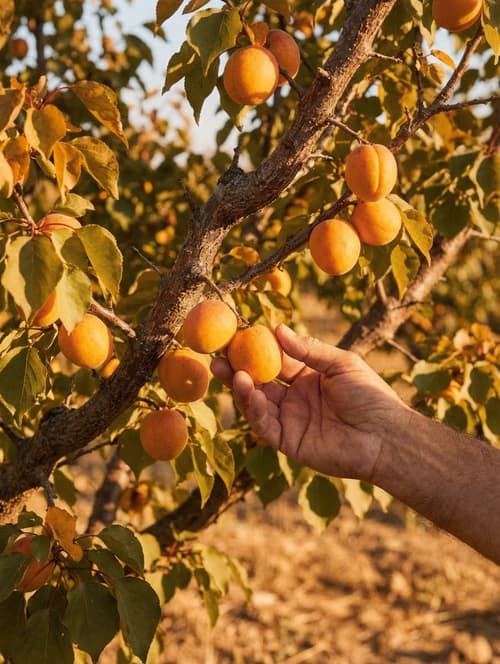
A truth few wedding brochures admit: the biggest lever for a beautiful, affordable wedding bouquet isn't the variety — it's the timing. A flower truly in season on your wedding day is fuller, lasts longer and often costs half of an imported greenhouse version. Here's the honest seasonal overview, so you align your floral dreams with the right month instead of paying to fight nature.
Why season sets the price: a flower from regional open fields or the seasonal auction needs no heated greenhouses, no air freight and no special cold chain. That shows up directly in the buying price — seasonal cut flowers typically cost 20 to 50 percent less than the same variety out of season. The second, often underrated benefit: short transport routes mean less stress for the bloom. Buy in season and you get better vase life thrown in for free. At the Veiling Rhein-Maas we deliberately buy what's at its peak — the only honest route to A1 freshness.
Spring (March to May): the most romantic season. Now come the classics most couples dream of — ranunculus (roughly April to June), anemones, tulips, lily of the valley and, from May, the first peonies. Spring offers the widest choice of soft, full blooms in delicate pastels, ideal for lush garden-style bouquets. Worth knowing: the window for lily of the valley and the earliest peonies is tight. If you're set on these, aim for the second half of May.
Early summer (May to June): the peony weeks. No wedding bouquet material in the whole year is more opulent than the peony in its short main season from May to late June. Its per-stem price sits above a standard rose, but because a single open peony delivers so much volume, you need fewer stems — which evens out the cost. From May, hydrangeas and sweet peas join in. If you love the full, round look, do everything you can to place your date inside this short window.
Summer (June to August): the variety season. Almost everything blooms now — roses peak, joined by lisianthus, scabiosa, lavender and the first dahlias. But for open-air summer weddings a second factor matters: heat tolerance. Delicate, densely packed blooms wilt fast in full sun. Sturdier varieties like lisianthus, gladioli or dahlias handle a hot afternoon far better than tender spring blooms. For an outdoor celebration, plan on the more resilient side.
Autumn (September to November): the dahlia season. Dahlias are the undisputed stars from late summer to the first frost — in an almost endless range of colours and forms, from soft apricot to deep burgundy. Add asters, late hydrangeas (often with an antique colour shift now), scabiosa and berried branches. Eucalyptus and ruscus as greenery give autumn bouquets structure and a slightly resinous scent. The palette naturally shifts warm — perfect for a celebration in the golden season.
Winter (December to February): the underrated season. Marry in winter and you have less choice, but real character blooms. Amaryllis delivers large, sculptural trumpet flowers that instantly add drama. Anemones with their striking dark eye are surprisingly available in winter and bring clear colour to a grey time of year. Add early ranunculus and evergreen material like eucalyptus. In winter, lean on a few expressive blooms rather than mass — it looks more elegant and is more economical too.
How to use the seasonal advantage in practice: first — don't commit to a dream flower too early; ask your florist what's at peak on your date. Second — think in colour palettes rather than single varieties; a palette can be filled seasonally, a fixed variety cannot. Third — plan expensive out-of-season blooms only as small accents, never as the load-bearing mass. That way you get the look you imagine without fighting nature or your budget.
Frequently asked
- Which wedding flowers are the most affordable?
- The most affordable is always whatever is truly in season on your wedding day — produced regionally, without greenhouse heating or air freight. In spring that's tulips and ranunculus, in summer roses and lisianthus, in autumn dahlias and asters. Staying flexible on variety and thinking in colour palettes rather than single dream flowers saves the most without compromising the look.
- When are peonies in season for weddings?
- Peonies have a short main window of roughly May to late June. That's exactly why outside those weeks they're either unavailable or only sold as an expensive import. If you want a peony bridal bouquet, aim for late spring. Tip: because a single open peony delivers so much volume, you need fewer stems than with smaller blooms.
- What if my dream flower isn't in season?
- You have two routes: either use the dream flower as a small, targeted accent — a few imported stems cost far less than an entire bouquet of them. Or find a seasonal look-alike: lisianthus, for instance, echoes roses or peonies, scabiosa gives movement similar to anemones. A good florist finds a seasonal counterpart in the same colour and form mood for almost any dream flower.
- Do seasonal flowers really last longer at a wedding?
- Generally yes. Seasonal flowers from short transport routes are less stressed, cut fresher and haven't spent days in the cold chain — that pays off on a long wedding day, when a bouquet must survive many hours without a vase. Sturdy seasonal varieties like lisianthus, gladioli or dahlias also handle heat and dry spells far better than tender out-of-season imports.
Related topics
Flower Library
Peonies
Flower Library
Ranunculus
Flower Library
Anemones
Flower Library
Dahlias
Flower Library
Roses
Flower Library
Lisianthus
Flower Library
Tulips
Flower Library
Hydrangeas
Flower Library
Amaryllis
Flower Library
Lily of the Valley
Flower Library
Scabious
Flower Library
Sweet Peas
Occasions
Engagement Flowers
Occasions