How to Dry Flowers: 4 Methods Compared
Air drying, pressing, silica gel or glycerin? Which method suits which flower — and why the wrong choice ruins your bouquet.
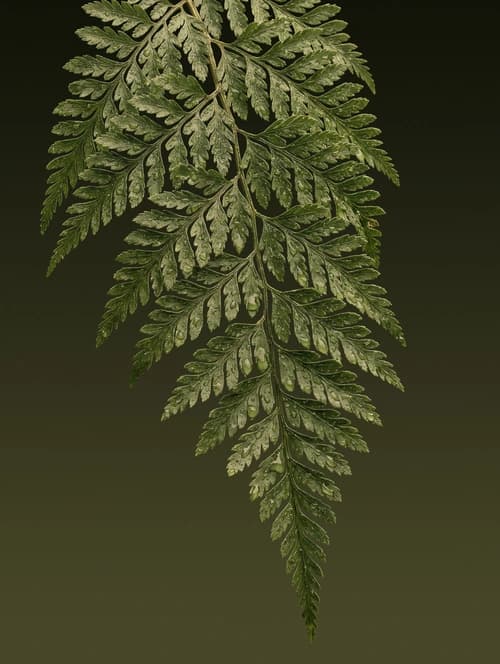
There is no single right way to dry flowers — there are four, and each has its flower. Lay a delicate rose in silica gel and you get a keepsake; hang that same rose upside down and you get a brown memory of what it once was. Here we compare air drying, pressing, silica gel and glycerin honestly — with clear guidance on which technique suits which bloom.
Before the methods, one key insight: when you dry flowers, you almost always lose something — form, colour or flexibility. The question isn’t “How do I keep everything?”, but “What matters most for this flower?”. Should the stem later stand in an arrangement (form), should the colour glow (pigment), or should the leaf stay pliable (glycerin)? Decide that first and the right technique almost picks itself.
1. Air drying — the classic for grasses and sturdy blooms. Tie stems into small bunches, hang them upside down in a dark, airy, dry spot, wait 2 to 3 weeks. Dark is crucial: sunlight bleaches the colour within days. This method costs nothing and gives that typical, slightly faded dried-flower look. Excellent for pampas grass, strawflowers, statice, lavender and baby’s breath — anything that naturally stores little water. Pro: free, large batches at once. Con: thick, juicy blooms mould before they dry.
2. Pressing — flat, fine, for frames and cards. Lay blooms between absorbent paper inside a heavy book or a flower press, change the paper after a few days, press for 2 to 4 weeks. The result is two-dimensional — nothing for bouquets, but perfect for frames, bookmarks, invitations or resin jewellery. Ideal for flat, not-too-fleshy blooms like poppies, scabiosa, asters or single rose petals. Pro: the most delicate detail survives. Con: flat only, voluminous blooms turn to mush.
3. Silica gel — the pro method for colour and form. The fine granules pull moisture from the petals so gently that shape and pigment stay almost fully intact. Set the bloom in an airtight container, carefully bury it completely in silica gel, leave it sealed for 3 to 7 days. The granules are reusable (dry them in the oven). This is exactly where the demanding blooms that ruin other methods shine: roses, ranunculus, carnations, asters. Pro: vivid colour, three-dimensional shape. Con: pricier, only small batches per round, the result is fragile.
4. Glycerin — not drying but preserving. Instead of removing the water, this method replaces it: a mix of 1 part glycerin to 2 parts hot water is drawn up the stem and makes leaves soft, pliable and long-lasting — not the rustling brittleness you get otherwise. Stand fresh, well-watered stems 2 to 4 cm deep, then wait 2 to 3 weeks. Worth knowing: glycerin shifts the colour, with green often turning to warm browns. That’s why it’s the first choice for foliage and fillers — eucalyptus, ruscus — and less for vivid blooms. Pro: supple, almost lifelike feel, very durable. Con: colour shift towards brown, slow, sticky at first.
Which flower for which method? Rule of thumb: the more water a bloom stores, the less suited it is to simple air drying. Low-water flowers (pampas grass, strawflowers, statice, lavender, baby’s breath, craspedia, gladioli) just get hung up. Demanding, juicy blooms (roses, ranunculus, carnations) belong in silica gel. Flat things for frames (poppies, scabiosa, single leaves) get pressed. And anything that should stay pliable — especially greenery like eucalyptus and ruscus — goes into glycerin. Hydrangeas are a special case: they dry most beautifully slowly in very little water that simply evaporates on its own.
Three mistakes almost everyone makes: First, harvesting too late — you dry flowers when they’ve just opened but are still firm, not when they’re already drooping. Second, storing them too bright; every daylight window bleaches over weeks, finished dried bouquets belong in a shaded spot. Third, underestimating humidity: in a damp bathroom even a perfectly dried bloom re-absorbs water and goes limp. Dry, dark, dust-protected — that’s how you hold on to summer for a year and longer.
Frequently asked
- Which flowers dry best?
- The easiest are flowers that naturally store little water: strawflowers, statice, lavender, baby’s breath, pampas grass and craspedia almost always succeed with simple air drying. Roses, ranunculus and carnations dry most beautifully in silica gel because it preserves colour and form. The tricky ones are very juicy blooms like tulips or lilies — they mould while air drying before they’re done.
- How long does it take to dry flowers?
- It depends heavily on the method. Silica gel is fastest at 3 to 7 days. Air drying takes 2 to 3 weeks, pressing 2 to 4 weeks, and glycerin preservation also takes 2 to 3 weeks, sometimes longer. Thick stems and humid weather extend every one of these windows.
- Why do my dried flowers turn brown instead of colourful?
- There are two common reasons. With air drying, too much light bleaches and browns the blooms — the drying spot must be dark. And glycerin shifts colour towards brown by design; that’s part of the method and is often even desirable on foliage like eucalyptus. If you want vivid colour, use silica gel and store the result in the shade.
- How long do dried flowers last?
- Stored dry, dark and protected from dust they easily last a year, often considerably longer. Glycerin-preserved and silica-dried blooms last the longest. The biggest enemy is moisture: in a steamy bathroom or right by a window even well-dried bouquets quickly lose shape and colour.
Related topics
Further reading
Dried Flowers
Dried & Slow Flowers: The Complete Guide
Dried Flowers
Drying Hydrangeas: How They Keep Their Colour
Dried Flowers
Pampas Grass: Care, Drying and Honest Look-Factor
Dried Flowers
Dried Bouquets: Pros and Cons Honestly Weighed
Flower Care