Spotting Fresh Flowers: What to Check When Buying
Bud, stem, foliage, water — four quick checks that tell you in the shop whether a bouquet lasts two days or two weeks.
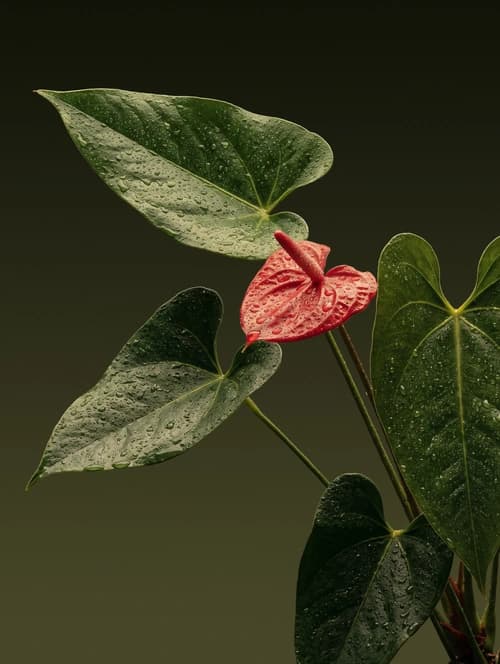
Whether a flower lasts a week or droops by tomorrow isn't decided at home in the vase — it's decided at the point of purchase. A few seconds per bouquet are enough to read its freshness, no florist training required. Four spots reward a closer look: the bud, the stem, the foliage and the water the flowers are standing in.
1. The bud: showing colour, but still closed. The sweet spot sits between “candle-green and tight” and “fully open”. A bud that already shows colour yet hasn't opened is the ideal ripeness — it unfolds at home and gives you the full vase life. Avoid completely green, hard buds: cut too early, they often never open at all. Equally, skip wide-open blooms with drooping outer petals — those are already past their peak.
2. The stem: firm, smooth, cleanly cut. Gently squeeze the stem just below the flower. Fresh feels plump and resilient; soft, limp or slimy means walk on. The cut end tells you more — a fresh cut is greenish and pale with a clear core, while brown, yellowed or frayed ends reveal flowers that have been standing for a while. On flowers with a “neck” like gerberas or sunflowers, the join to the bloom should be upright and taut, not kinked.
3. The foliage: dark green, firm, blemish-free. Healthy leaves stand out crisply and shine deeply. Limp, yellowing or translucent foliage is an early warning, and brown spots point to bacteria or storage damage. On roses the leaf is the most honest indicator: glossy dark green and flawless when fresh, dull and spotted when old. Run your fingers gently along a leaf and the petals — a faint rustle signals turgor, a silent yielding means tired tissue.
4. The water and the spot in the shop. Glance into the buckets: clear, fresh water is a good sign, cloudy or discoloured water a bad one — it breeds the bacteria that clog every stem from below. Are the flowers kept cool, shaded and away from the fruit display? Ripe fruit releases ethylene and ages blooms faster. A shop that recuts the stems at the point of sale shows it understands what matters.
5. The variety trap — same rule, different reading. Freshness doesn't look the same on every flower. Tulips are best bought nearly closed with cool, waxy-smooth leaves; they keep growing in the vase. Lilies should carry closed to half-open buds with the anthers still attached — if pollen is already shedding, the bloom is past its peak. On chrysanthemums and asters the centre must be tight and compact, not fluffy and loose. Hydrangeas are judged by the stem and the firmness of the head, not the bud. Knowing the right ripeness window per variety means never buying too young or too old.
6. The ten-second hands-on test. Pick the bouquet up and hold it out horizontally. Fresh stems carry their blooms upright; tired stock lets the heads tip over at once. Then the quick four-point check: bud coloured and closed? Stem firm and cleanly cut? Foliage dark green and unspotted? Water clear? Four times yes — take it. At the Veiling Rhein-Maas we buy by exactly these criteria, A1 quality only; that's the invisible part that later decides how long a bouquet stands on the table.
Frequently asked
- Are florist flowers really fresher than supermarket ones?
- Often yes, but not automatically. What counts is the supply chain and the in-shop care: cool storage, clear water and a fresh cut at the point of sale. Good florists recut the stems before handing them over so the flowers take up water straight away — something self-service shelves rarely do. Either way, run the same four-point check everywhere instead of trusting the label.
- Should I buy flowers in bud or already open?
- In bud — as long as it already shows colour. That gives you the longest enjoyment, because the bloom opens at home. Completely green, hard buds are a gamble, as they may have been cut too early and never open. Fully open bouquets look lusher in the shop, but are usually a few days further along and fade accordingly faster.
- How can I tell a stem has been standing in water too long?
- By the stem end and the water. A fresh cut is pale and greenish; yellow-brown, slimy or frayed ends mean bacterial buildup and blocked vessels. Cloudy or discoloured water in the bucket is the clearest warning sign. Give the stem a quick squeeze too — if it feels soft or hollow rather than plump, the flower is past its best.
- What should I do right after buying to preserve freshness?
- Carry the bouquet home cool and quickly, then strip the lower leaves, recut the stems at an angle and place them in a clean vase with fresh water. The less time the flowers spend dry, the less air the vessels draw in. The details on ongoing care are in our cut-flower guide.