Valentine's Day: More Than the Red Rose
The red rose isn't the only language of love. Which flowers say just as much on 14 February — often more beautifully, affordably and personally.
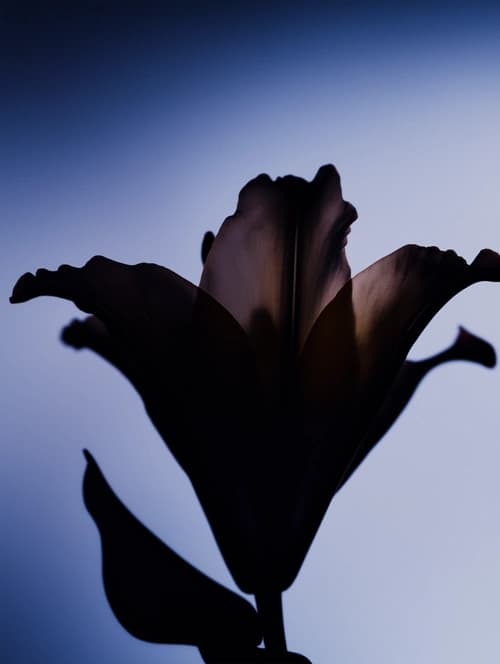
Around 110 million red roses are sold worldwide for Valentine's Day — all on the same day, which is why the wholesale price per stem easily doubles. That's no argument against the rose, but a good argument for rethinking your message. Because February is peak season for some of the most beautiful spring flowers there are, and many of them tell a more personal love story than the hundredth red rose.
Why look for alternatives at all? Three reasons. First, price: red roses are a perishable product with fixed growing volumes, and because the whole world buys on 14 February at once, demand is regulated through price — €1.50 per stem quickly becomes €3 to €5. Second, the message: a red rose is unmistakable, but also predictable. Third, the season: February is the natural peak for tulips, ranunculus and anemones — flowers that are at their freshest and most expressive right now.
Know the meanings — then choose deliberately. In the language of flowers nearly every variety carries its own message. The red tulip, much like the rose, stands for honest, passionate love; pink tulips say „tender, still-young affection“. The anemone means „I want to be with you“ and symbolises anticipation and sincerity. Freesias signify loyalty and tenderness in every colour and bring a delicate fragrance too. The sweet pea poetically whispers „your image surrounds me day and night“. Choose the colour consciously and you give not just flowers, but a sentence.
Three bouquet ideas instead of twelve red roses. First, the herald of spring: tulips and ranunculus in pink and coral tones, with a few anemones as dark accents — lively rather than formal. Second, the quiet declaration: white ranunculus and freesias, understated and elegant, ideal for a young relationship. Third, the red rose retold: a single high-quality rose framed by sweet peas and freesias instead of an anonymous dozen. Fewer stems, more meaning — and usually the prettier picture on the table.
Plan the budget realistically. An honest rule of thumb: rather than spending on a costly dozen roses at peak prices, put the money into quality and season. A generous bouquet of seasonal tulips and ranunculus often costs less in February than twelve imported roses and lasts longer with good care. If you still want roses, buy them a little shorter and combine them with foliage and accents — that stretches the budget without looking cheap. At Fleura we pay particular attention to A1 longevity at the Veiling Rhein-Maas in this very week, because a Valentine's bouquet that droops after three days helps no one.
Last-minute, but not loveless. If you're running late you still have good cards — with a plan. 1. Visit the florist in the morning, not the afternoon: the best bouquets are gone by midday on 14 February. 2. Stay open to the season: „a springlike bouquet in pink“ almost always works, „exactly twelve long-stemmed red roses, right now“ often doesn't. 3. Pre-order if you can — a call the day before secures the best stock and removes the stress. 4. A handwritten card beats any expensive bouquet with no words. The thought counts more than the stem count.
And if it really has to be the rose? Perfectly fine — it's the symbol of love for a reason. Then it's worth looking at the colour, because roses speak different sentences depending on the shade. Knowing the meaning of each rose colour makes for a more deliberate choice than standard red. In the end the finest gesture is the one that suits the person — not the one the calendar prescribes.
Frequently asked
- What flower can I give instead of a red rose on Valentine's Day?
- Red tulips also express passionate love, ranunculus pay the compliment „you are charming“ and stand for charm and grace, anemones for „I want to be with you“, and freesias symbolise loyalty and tenderness. All three are in season in February, look springlike and are often cheaper than imported roses — a more personal and equally loving choice.
- Why are red roses so expensive on Valentine's Day?
- Roses are a perishable product with a growing volume that can't be scaled up at short notice. Because Valentine's Day is celebrated worldwide on the same date, global demand spikes and is regulated through price. A stem that normally costs around €1.50 quickly becomes €3 to €5. Seasonal flowers like tulips and ranunculus are far less affected by this effect.
- What should I do if I need flowers last-minute on Valentine's Day?
- Go to the florist in the morning, because the prettiest bouquets are gone by midday. Stay open to the season instead of insisting on one exact variety — „a springlike bouquet in pink“ almost always works. Best of all, call the day before and reserve. And don't forget the handwritten card: the thought counts more than the number of stems.
- What colour should the Valentine's bouquet be?
- Red stands for passionate love, pink for tender young affection, white for purity and a quiet declaration. For an established relationship red feels fitting, for a new romance pink or white is often more appropriate. More important than the rule is what suits the recipient — the colour may well be their favourite.