Plants
Blue Star Fern
Phlebodium aureum · Polypodiaceae
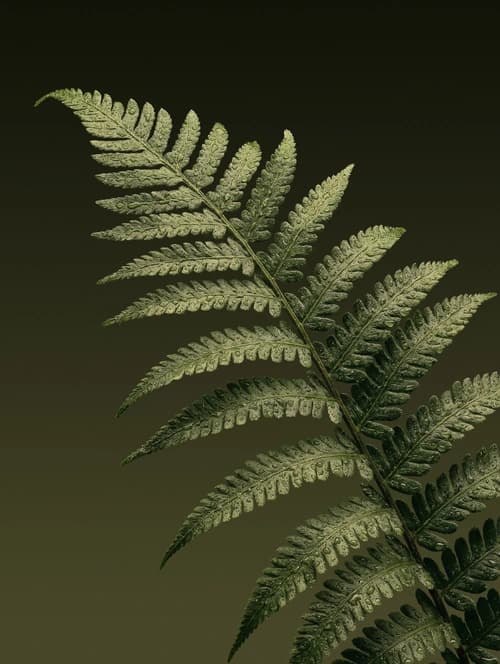
The blue star fern is the modern one among indoor ferns: blue-green, frosted, lobed fronds that look more like a design plant than a classic woodland fern. It is also surprisingly easy-going — it tolerates dry heating air far better than most of its relatives. We buy our Phlebodium in bushy nursery quality at the Veiling Rhein-Maas.
- Light
- Bright to semi-shaded, no harsh midday sun; also copes well with a north-facing window.
- Watering
- Moderate — let the top layer of substrate dry, then water thoroughly; tolerates short dry spells.
- Care level
- Easy
- Botanical
- Phlebodium aureum
The fern owes its German name, which means golden-dot fern, to the golden-yellow spore clusters that form in neat rows on the underside of the fronds. They are not a pest infestation but the fern's natural way of reproducing — a common misunderstanding that has sent perfectly healthy plants to the bin.
The blue-grey colouring comes from a fine wax layer on the fronds that slows evaporation. It is exactly this layer that makes the blue star fern so much more tolerant of indoor air than, say, maidenhair or sword ferns. It should not be rubbed off or treated with leaf shine.
The trade mostly carries the cultivar Blue Star, compact and intensely blue-green. There are also frillier selections such as Davana with wavy frond edges. All grow from a reddish, hairy creeping rhizome which, as with the rabbit's foot fern, must sit on top of the substrate and never be buried.
As an epiphyte, the fern likes a loose, free-draining substrate, such as houseplant compost with a good share of bark or coco fibre. The classic care mistake is watering too often in dense soil — rhizome and roots then rot. Better to water thoroughly and let the top layer dry out.
In a room the blue star fern is at its strongest where its cool blue-green contrasts with rich green foliage — next to calathea, pilea or classic green plants. It is also a good bedroom choice: understated, non-toxic and with moderate light needs.
Is Blue Star Fern toxic to children and pets?
- Children
- Non-toxic
- Cats
- Non-toxic
- Dogs
- Non-toxic
The blue star fern is considered non-toxic to cats, dogs and children — one of the best pet-safe foliage plants. As with all houseplants, deliberate eating is still not advised.
Overview: toxic & non-toxic plants for cats, dogs and children
Care
- 01Place bright to semi-shaded; avoid direct midday sun, though some morning sun is fine.
- 02Water once the top layer of substrate has dried — thoroughly and less often rather than constantly a little.
- 03Use soft, room-temperature water; avoid standing water in the outer pot.
- 04When repotting, lay the hairy rhizome on top of the substrate, never cover it with soil.
- 05The golden-yellow dots under the fronds are spores, not pests — no action needed.
- 06Feed lightly every four weeks from spring to autumn.
Frequently asked
- Is the blue star fern toxic to cats or dogs?
- No, Phlebodium aureum is considered non-toxic to cats and dogs and is one of the recommended plants for pet households. It is also harmless to children.
- What are the yellow dots under the leaves?
- Those are the golden dots that give the fern its German name: spore clusters with which the fern reproduces. They sit in regular rows on the underside of the fronds and are a sign of a healthy, mature plant — not a pest infestation.
- Does the blue star fern tolerate dry heating air?
- Considerably better than most ferns, thanks to the wax layer on its fronds. It still appreciates occasional misting in winter or a spot in a bright bathroom, but does not need daily spraying.
- Why is my blue star fern getting brown fronds?
- Individual old fronds are allowed to die back; that is normal turnover. If many fronds brown at once, waterlogging is usually to blame — check the substrate and water less often. A spot directly above a radiator or in blazing sun also causes brown edges.