Pet-Safe Flowers: What You Can Safely Bring Home
Roses, sunflowers, freesias — which cut flowers are genuinely safe with a cat or dog in the house, and what still matters about the vase.
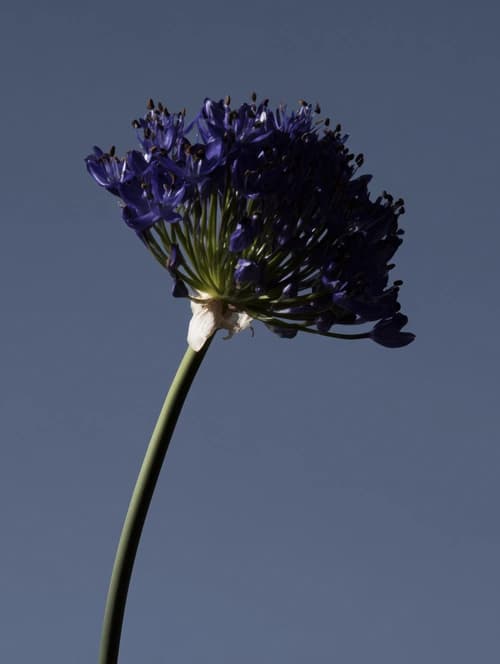
A bouquet should bring joy — not a trip to the emergency vet. If you share your home with a cat or dog, it's fair to ask which flowers are safe in the living room. The good news: plenty of popular cut flowers count as non-toxic. The important news: even with these, there are two or three things worth knowing — and hardly anyone mentions them.
First, the safe list. Counted as non-toxic for cats and dogs are roses, sunflowers, freesias, gerberas, asters, marguerites and lisianthus (eustoma). Snapdragons, statice and wax flower also stay off the warning lists of the animal poison centres. With these varieties you can tie a full, colourful bouquet without having to banish the vase to the top shelf.
More important than the list of the allowed is the list of the forbidden. Lilies are the single most dangerous entry: for cats the entire plant is highly toxic — even pollen on the fur, ingested during grooming, can trigger acute kidney failure. Tulips, daffodils, hyacinths, lily of the valley, amaryllis and chrysanthemums are also problematic. Even popular greenery like eucalyptus belongs among the toxic plants. If you're unsure, our detailed overview of flower toxicity for pets will help.
‘Non-toxic’ does not mean ‘free to eat’. Even a rose or sunflower can cause vomiting or diarrhoea if an animal devours larger amounts of leaves and petals — the digestive tract of cats and dogs simply isn't built for plant fibre in this form. Non-toxic means: no acute poisoning, no organ damage. It does not mean nibbling is entirely without consequence. So place the bouquet out of reach even with safe varieties.
The underrated risk factor is the vase, not the flower. After two or three days the standing water is a bacterial broth — if a cat drinks from it, it can upset the stomach. Even trickier: the flower-food sachet many bouquets come with. It contains biocides and fertiliser salts and has no place within reach of a curious animal's drinking radius. Practical move: if you have pets, dose the food sparingly or skip it, change the water consistently every two days instead, and put the vase somewhere the animal can't climb.
With roses there's a purely mechanical issue too: the thorns. They aren't toxic, but they can injure the mouth, paws or eyes of an animal that nudges the bloom or carries a fallen flower around the flat. At the florist many premium roses are already dethorned; at home it's worth stripping the lower thorns with the back of a knife — it protects the animal and, incidentally, your fingers.
So what to choose when it should be both beautiful and safe? A sun-yellow summer bouquet of sunflowers, gerberas and asters. For something fragrant, reach for freesias — they bring perfume without the risk, unlike the often-recommended but cat-lethal lily. And for the classic, the dethorned rose remains the first choice. Here in Düsseldorf-Pempelfort, families with pets ask for exactly this — we then deliberately tie the bouquet lily- and eucalyptus-free, so no one has to keep count at home.
Frequently asked
- Are roses toxic to cats and dogs?
- No, the rose bloom itself is considered non-toxic. If an animal nibbles large amounts it may cause mild vomiting or diarrhoea, but there's no real poisoning risk. The actual hazard is the thorns, which can injure mouth and paws — dethorned roses are the better choice for households with pets.
- Which cut flowers are most dangerous for cats?
- Lilies are by far the worst: every part of the plant is highly toxic to cats, and even pollen or vase water can cause acute kidney failure. Tulips, daffodils, hyacinths, lily of the valley and amaryllis should also be avoided. When in doubt, or after ingestion, always seek veterinary advice immediately.
- Is buying only non-toxic flowers enough?
- Almost. Two points remain: first, the standing water can grow bacteria after a few days and upset the stomach if the animal drinks it — so change it every two days. Second, the enclosed flower food contains chemicals; with pets, dose it sparingly and keep the vase out of reach.
- Which fragrant bouquet is safe for cats?
- Freesias are the best choice when you want fragrance: they give off a fine perfume and are considered non-toxic — unlike lilies, which are life-threatening to cats. Combined with roses and sunflowers they make a full, fragrant and pet-safe bouquet.
Related topics
Flower Library
Roses
Flower Library
Sunflowers
Flower Library
Freesia
Flower Library
Asters
Flower Library
Marguerites
Flower Library
Aspidistra (Cast-Iron Plant)
Flower Library
Cattleya Orchid
Flower Library
Kangaroo Paw
Flower Library
Snapdragons
Flower Library
Yarrow
Flower Library
Siam Tulip
Flower Library
Pansies
Plants
Savory
Plants
Dischidia
Plants
Fuchsia
Plants
Chin Cactus
Plants
Grape Ivy
Plants
Easter Cactus
Plants
Persian Violet
Plants
Ornamental Pineapple
Occasions
Get-Well Flowers
Occasions