Plants
Magnolia
Magnolia · Magnoliaceae
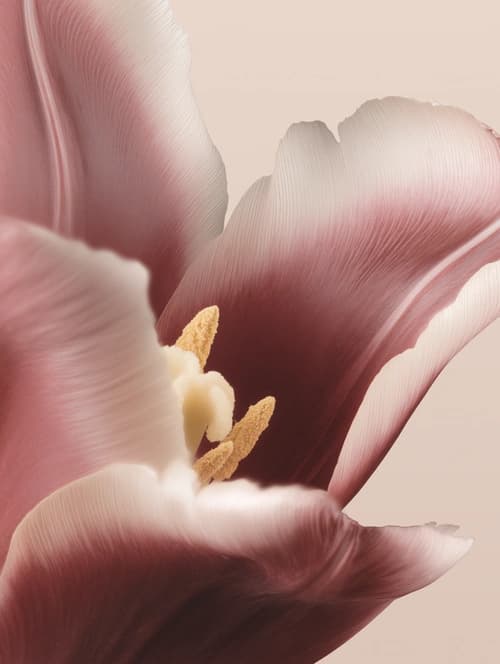
When the magnolias open in April, nobody in Düsseldorf walks past unmoved: thousands of tulip-sized blooms on still-leafless branches — a spectacle that lasts only two or three weeks and is all the more precious for it. Magnolias are ancient trees; their flowers were pollinated by beetles before bees even existed. Planted properly, a magnolia becomes a tree for a century.
- Light
- Sunny to lightly shaded; the more light, the richer the bloom.
- Watering
- Keep moist and water deeply in dry spells; established trees forgive short droughts.
- Care level
- Medium
- Botanical
- Magnolia
The key garden magnolias: the saucer magnolia (Magnolia x soulangeana) with pink-white goblets, the star magnolia (Magnolia stellata), which stays small and flowers richly even as a young shrub, the lily magnolia (Magnolia liliiflora) and modern yellow varieties such as ‚Yellow Bird‘. The evergreen Magnolia grandiflora flowers only in summer and smells of lemon.
Magnolias are among the oldest flowering plants of all — fossils document some 100 million years. The firm, cup-shaped blooms are an adaptation to beetle pollination from a time before bees. You can see that ancientness: hardly any flower looks as sculptural.
The site must be chosen once and for good: sunny to lightly shaded, sheltered from wind, with humus-rich, slightly acidic to neutral, moist soil. Magnolias are shallow-rooted with fleshy, sensitive roots — they forgive neither later transplanting nor soil compaction or hoeing in the root zone.
The greatest danger is late frost: because many varieties bloom early, a single frosty night can turn the flowers brown. It does not harm the tree, but it does spoil the show. To play safe, choose late-flowering varieties or a spot that warms slowly in the morning — not the east side.
Prune as little as possible: magnolias tolerate cutting poorly and the wounds close slowly. If necessary, remove individual branches right after flowering. In floristry, by the way, magnolia branches are a late-winter treasure — as forcing branches in the vase, the thick furry buds open after two to three weeks.
Beneath the magnolia, it is best to keep a mulch circle or plant shallow-rooted spring companions such as forget-me-nots and daffodils — they flower at the same time and leave the sensitive roots undisturbed.
Is Magnolia toxic to children and pets?
- Children
- Non-toxic
- Cats
- Non-toxic
- Dogs
- Non-toxic
The magnolia is considered non-toxic to cats, dogs and children — fallen petals in the garden are no cause for concern. As with all ornamentals, eating larger amounts is still not advised.
Overview: toxic & non-toxic plants for cats, dogs and children
Care
- 01Choose a sunny, wind-sheltered site with humus-rich, slightly acidic soil — and make it final.
- 02Mulch the root zone instead of hoeing; magnolias root shallowly and are sensitive.
- 03Water deeply in dry summers, especially young trees.
- 04Prune as little as possible; make necessary corrections right after flowering.
- 05Feed with compost or horn shavings in spring.
- 06For early varieties avoid late-frost pockets — no east-facing spot with morning sun.
Frequently asked
- When does the magnolia flower?
- Most garden magnolias flower between March and May, before the leaves emerge — the star magnolia starts earliest, the saucer magnolia follows in April. The evergreen Magnolia grandiflora, by contrast, blooms only in summer. The main display lasts two to four weeks depending on the weather.
- Why is my magnolia not flowering?
- The most common reasons: the tree is still too young (grafted varieties flower earlier than seedlings), a late frost caught the buds, light is lacking — or it was pruned wrongly. Root disturbance from transplanting or digging also suppresses flowering for years. Patience and an undisturbed root zone are the best medicine.
- Is magnolia toxic to dogs or cats?
- No, the magnolia is considered non-toxic to dogs, cats and people. Falling petals can be left where they land with an easy mind. In Asia the petals of some species are even traditionally pickled and eaten.
- How big does a magnolia get?
- That depends heavily on the species: the star magnolia stays shrubby at two to three metres and fits small gardens, while the saucer magnolia reaches six to eight metres with a spreading crown over the decades. Allow for the final size when planting — an established magnolia can practically never be moved.