The First Flowers of Spring: How to Read the Early Bloomers
Snowdrop, crocus, daffodil, tulip — who blooms when, what they mean and how to combine them in a vase without sabotage.
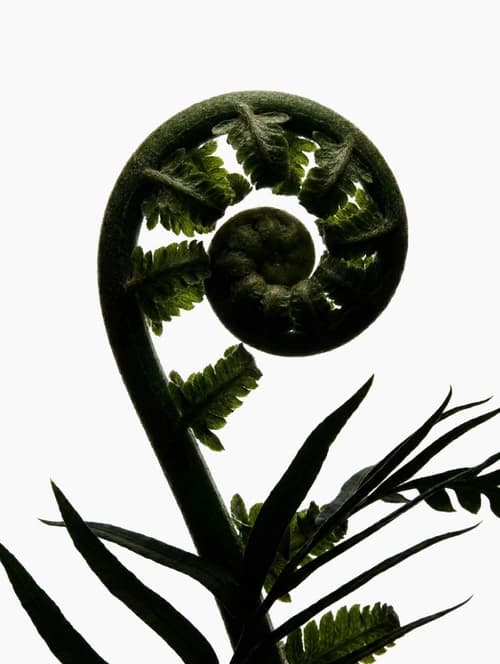
Frost still clings to the bed when the first white pushes through the soil. “First flowers” aren’t a botanical category but a promise: they bloom when nothing else does. This guide sorts the four classics — snowdrop, crocus, daffodil and tulip — by bloom time, explains their symbolism and reveals the one vase trick most spring bouquets fail at.
The order is almost always the same. First the snowdrop, often as early as January or February, right in the snow. Then the crocus, setting the first strong dabs of colour from February. The daffodil follows, with its warm yellow from March to April. And finally the tulip, marking the move into full spring from April to May. Learn this sequence and you can read the calendar straight off the beds — and you’ll know in the shop what is genuinely in season right now.
That snowdrops can bloom in frost at all isn’t luck but chemistry. The plant converts its starch reserves into sugar alcohols, producing its own antifreeze; some early bloomers even generate enough heat to melt the snow immediately around them. Exactly this toughness makes the little messengers a symbol of hope — they appear when everything else still sleeps.
The symbolism of the four is surprisingly well documented. The snowdrop stands for hope, comfort and tenderness — the pure new beginning. The crocus is seen as a herald of joy and heavenly bliss. The daffodil carries a fine double meaning: freshness, vitality and fertility, but through the Greek myth of Narcissus also vanity and self-love. The tulip, finally, is the messenger of love and affection — red for deep devotion, pink for tender, young feelings.
Now the trick almost every mixed spring bouquet fails at: daffodils and tulips do not get along in a vase. Once cut, daffodil stems release a sap that contains the alkaloid lycorine. This sap clogs the vessels of neighbouring flowers — the tulips droop within hours. The same substance is, by the way, toxic to pets that nibble on the stems. So whoever simply jams “everything from the market” into one vase ruins the bouquet themselves.
Solve it in three steps: 1. Stand the freshly cut daffodils alone in their own water for three to four hours so they release the sap. 2. Do not re-cut the daffodils afterwards — every new cut restarts the sap flow. 3. Only then move them in with tulips and the rest. Alternatively, a brief moment under hot water seals the stem ends so no more sap escapes. Both work — the first is foolproof.
A final thought on choosing: spring messengers live on freshness. A tulip already wilting in the shop bucket will not recover in the vase. Look for plump, closed to half-open buds and firm, upright stems — at our auction, Veiling Rhein-Maas, that’s precisely the difference between three days and more than a week of joy. Better a few flawless stems than one big, tired bunch.
Frequently asked
- Which flower blooms first in spring?
- Usually the snowdrop, often as early as January or February right in the snow. It is followed by crocus (from February), daffodil (March to April) and tulip (April to May).
- Why do tulips droop next to daffodils?
- Cut daffodil stems release a sap containing the alkaloid lycorine, which clogs the tulips’ vessels. Let the daffodils drain separately for three to four hours first, and do not re-cut them afterwards.
- Are early spring flowers toxic to pets?
- The sap of daffodils and hyacinths is toxic to people and animals. If cats or dogs chew the stems or bulbs it can cause serious poisoning — keep the vase out of reach.
- What does the daffodil symbolise?
- The daffodil stands for freshness, vitality and new beginnings, but through the Greek myth of Narcissus it also carries the meaning of vanity and self-love — a deliberately ambiguous spring flower.
Related topics
Flower Library
Tulips
Flower Library
Daffodils
Flower Library
Anemones
Flower Library
Ranunculus
Flower Library
Fritillary
Flower Library
Wallflower
Flower Library
Dogs Tooth Violet
Flower Library
Iris
Flower Library
Lily of the Valley
Flower Library
Summer Snowflake
Flower Library
Pansies
Flower Library
Violets
Plants
Forsythia
Plants
Horned Violet
Plants
Snowflake
Plants
Lungwort
Plants
Primrose
Plants
Japanese Kerria
Plants
Grape Hyacinth
Plants