Plants
Prickly Pear
Opuntia · Cactaceae
The prickly pear with its flat, ear-shaped pads is probably the most recognisable cactus silhouette in the world — from the Mexican coat of arms to the windowsill. Especially popular is the „bunny ears“ Opuntia microdasys with its golden-yellow dots. Those very dots have a catch, though: they are glochids, ultra-fine barbed bristles that lodge in the skin at a touch. Admired from a small distance, the opuntia is one of the easiest, sunniest houseplants there is.
- Light
- Full sun; the more direct sun, the more compact and floriferous.
- Watering
- Sparing — in summer after the substrate dries fully, in winter almost none.
- Care level
- Easy
- Botanical
- Opuntia
The genus Opuntia is vast: from the handy bunny ears cactus (Opuntia microdasys) via the edible prickly pear (Opuntia ficus-indica), whose fruit sits in supermarkets as cactus figs, to hardy species such as Opuntia humifusa that even survive outdoors here. Common to all are the flat pads from which the plant builds itself up segment by segment.
The key thing first: more troublesome than the visible spines are the glochids — tiny barbed bristles sitting in tufts that detach at the slightest touch and lodge in skin, lips or paws. We always handle opuntias with folded newspaper or thick gloves and place them away from walkways and curious pets.
Care is classic cactus culture: the sunniest spot in the home, free-draining mineral substrate, moderate watering in summer, and a bright, cool winter at 5 to 12 degrees kept almost dry. That cool winter rest is the key to flowering — kept warm all year it usually will not bloom.
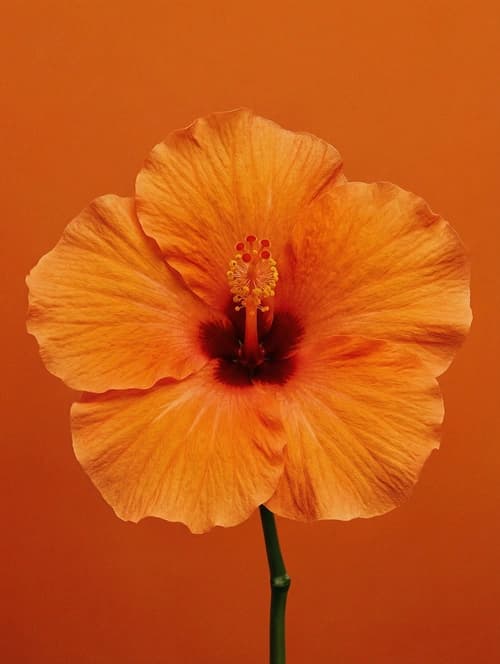
The reward is large, silky bowl-shaped flowers in yellow, orange or red, sitting right on the edge of the pads. On older plants the characteristic barrel-shaped fruits follow. In summer the opuntia loves standing outdoors in full sun — this hardens the pads and encourages bud formation for the following year.
Propagation is as simple as the plant itself: remove a single pad using newspaper, let the break dry for one to two weeks and stand it upright in dry cactus substrate. Within a few weeks it roots and starts building the typical tower of pads from scratch.
Is Prickly Pear toxic to children and pets?
- Children
- Mildly irritating
- Cats
- Mildly irritating
- Dogs
- Mildly irritating
The prickly pear is not chemically toxic — the hazard is mechanical: ultra-fine glochid bristles detach on contact and lodge in skin, mouth and paws. For households with cats, dogs and toddlers it is only suitable well out of reach.
Typical symptoms: After contact: stubbornly embedded fine bristles, skin irritation and itching; in animals drooling and pawing after mouth contact. Remove glochids with adhesive tape or tweezers; seek medical help if the eyes are affected.
In an emergency:call the German poison control centre in Bonn on +49 228 19240 (24/7) — for pets, contact an emergency vet directly. This information does not replace medical or veterinary advice.
Overview: toxic & non-toxic plants for cats, dogs and children
Care
- 01Give it the sunniest spot in the house — a south window or a summer place outdoors.
- 02Water moderately in summer, only once the substrate is completely dry.
- 03Keep it bright, cool (5–12 degrees) and nearly dry in winter — that encourages flowering.
- 04Use mineral cactus substrate with good drainage.
- 05Handle only with thick gloves or folded newspaper — beware the glochids.
- 06Feed monthly with cactus fertiliser from spring to late summer.
Frequently asked
- Is the prickly pear dangerous to cats and dogs?
- It is not poisonous, but the fine glochids lodge in paws, nose and mouth and cause painful irritation. Curious pets usually learn that lesson exactly once. In pet households we therefore place opuntias only in raised, inaccessible spots.
- How do I remove glochids from skin?
- Pull visible bristles with tweezers, then lift the rest with wide adhesive tape: press on, pull off sharply, repeat several times with fresh strips. Do not rub — that breaks the barbs off and drives them deeper. If eyes or mouth are involved, seek medical advice.
- Are there hardy prickly pears for the garden?
- Yes: species such as Opuntia humifusa and Opuntia phaeacantha survive Central European winters outdoors provided they sit absolutely dry and sunny — a gravel bed against a south wall is ideal. The pads shrivelling and lying flat in winter is their normal frost protection.
- Can you eat prickly pear fruit?
- The cactus figs sold in shops come from Opuntia ficus-indica and are delicious. Fruit from ornamental windowsill plants is technically edible but also carries glochids and is hardly worth the effort — for snacking, buy the cleaned fruit from the greengrocer instead.