Plants
Aloe Vera
Aloe vera · Asphodelaceae (Affodillgewächse)
Aloe Vera is probably the most popular succulent for the windowsill: easy to care for, architecturally beautiful and a real eye-catcher with its fleshy, toothed leaf rosettes. In our Pempelfort shop we deliberately pick compact, sturdily grown specimens that keep their shape for years. Anyone looking for a plant that forgives almost everything yet still has character is in the right place.
- Light
- Plenty of light to full sun; a south- or west-facing window is ideal. With too little light the rosette becomes limp and dark green.
- Watering
- Water sparingly, letting the substrate dry out between waterings; keep almost dry in winter. Avoid waterlogging at all costs.
- Care level
- Easy
- Botanical
- Aloe vera
True Aloe Vera (Aloe vera, botanically once also listed as Aloe barbadensis Miller) forms dense rosettes of thick, water-storing leaves with soft marginal teeth. Alongside it there are hundreds of other Aloe species and closely related genera, such as the soap aloe (Aloe maculata) or the compact tiger aloe (now Gonialoe variegata); for home use and because of its well-known leaf gel, however, the classic Aloe Vera is by far the most widespread.
In floristry we mainly use Aloe Vera as a long-lived solitary potted plant. It fits beautifully into minimalist, Mediterranean and modern interiors and looks just as good in a bright ceramic vessel as in a rough terracotta pot. As a low-maintenance gift or office plant it is an evergreen favourite, because it shrugs off irregular watering without complaint.
A good sign of quality is a firm, upright rosette with plump, securely seated leaves free of brown tips or soft spots. A slightly grey-green to blue-green colour shows that the plant has had enough light; deep green, limp leaves indicate a lack of it. When buying we make sure the root balls are healthy and free of pests.
Aloe Vera combines wonderfully with other succulents and cacti to form a desert-like grouping, or with graphic vessels in concrete and stoneware looks. For something livelier, place it next to a small olive tree or lavender on a sunny windowsill to create a little Mediterranean still life.
Is Aloe Vera toxic to children and pets?
- Children
- Mildly irritating
- Cats
- Toxic
- Dogs
- Toxic
Toxic to cats, dogs and horses: saponins and anthraquinones (including aloin) in the leaves can cause vomiting, diarrhoea and lethargy. Keep out of reach of pets and children.
Typical symptoms: Vomiting, diarrhoea, lethargy and loss of appetite; occasionally tremors in cats.
In an emergency:call the German poison control centre in Bonn on +49 228 19240 (24/7) — for pets, contact an emergency vet directly. This information does not replace medical or veterinary advice.
Overview: toxic & non-toxic plants for cats, dogs and children
Care
- 01Place it bright and sunny: a south- or west-facing window is ideal; the more light, the more compact and healthy the rosette grows.
- 02Water sparingly and let the substrate dry out well between waterings; waterlogging is the most common cause of root rot.
- 03Keep it almost dry and cooler in winter (around 10 to 15 degrees Celsius); it then sails through the low-light season with ease.
- 04Use a free-draining cactus or succulent mix and always choose a pot with a drainage hole.
- 05Feed sparingly with cactus fertiliser every four to six weeks only during the growing season from spring to late summer.
- 06Offsets (pups) at the base can be separated and potted up individually in spring, so the plant practically propagates itself.
Frequently asked
- Is Aloe Vera toxic to cats and dogs?
- Yes. The leaves contain saponins and anthraquinones (including the aloin in the yellowish layer beneath the skin), which can cause vomiting, diarrhoea, lethargy and in severe cases kidney damage in cats, dogs and horses. Keep the plant out of reach of pets and small children.
- How often should I water Aloe Vera?
- Far less often than you might think. Only water once the substrate has dried out completely, roughly every two weeks in summer and very rarely in winter. As a succulent it stores water in its leaves and tolerates drought far better than wet feet.
- Why are my Aloe’s leaves turning brown or limp?
- Brown, soft leaves almost always point to overwatering and waterlogging, while limp, pale leaves indicate too little light. Move the plant somewhere brighter, water more sparingly and ensure a free-draining substrate with a drainage hole.
- Does Aloe Vera have a flowering period?
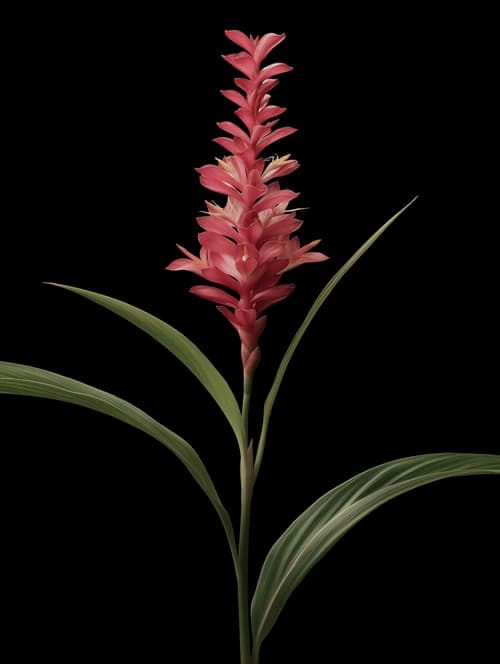
- As a houseplant Aloe Vera is available and green all year round. Older, well-tended specimens occasionally produce a tall flower spike with yellow to orange tubular blooms given plenty of light, usually in late winter to spring; indoors in a pot, however, this remains the exception.