Plants
Spider Flower
Cleome hassleriana · Cleomaceae
Spider flower is the diva of the summer bed: stems up to one and a half metres tall, crowned by spherical flower heads from which long stamens protrude like spider legs. Hardly any annual brings as much height, movement and lightness to a planting. It flowers onwards from bottom to top, adding new tiers until frost.
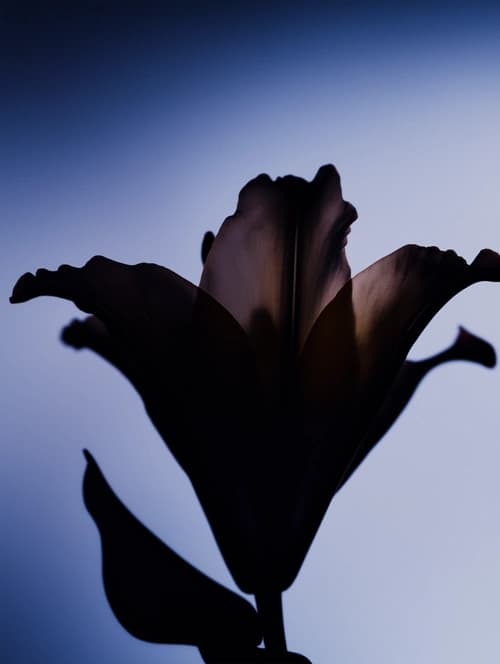
- Light
- Full sun; in partial shade it stretches and topples more easily.
- Watering
- Regular and thorough — drought stress costs the lower foliage.
- Care level
- Easy
- Botanical
- Cleome hassleriana
Cleome owes its name to the strikingly long stamens and the spider-leg-like stalked seed pods beneath the flower head. Classic varieties such as Helen Campbell (white), Rosakönigin or Violet Queen reach head height; the newer compact breed Senorita Rosalita stays at around 60 to 80 centimetres, is thornless and does not self-seed.
As a structural plant, spider flower is a gift for the back of the bed: it fills the gap between low summer flowers and shrubs, yet its loose flower heads never look heavy. In groups of three to five plants it forms a half-transparent veil through which the planting behind still shows.
Two quirks of the classic varieties are worth knowing: small but serious thorns sit at the leaf stalks, and the foliage releases a sharp, slightly resinous smell when touched. Both argue for planting it in the second row — there neither thorns nor scent intrude, and the height shows to better effect anyway.
In cultivation cleome wants full sun, warmth and a rich, evenly moist yet free-draining soil. In drought it sheds its lower leaves and goes bare from the base — the most common care mistake. A mulch layer and deep, spaced watering keep it clothed in foliage.
For bumblebees and butterflies the nectar-rich blooms are a productive pasture, and moths arrive in the evening. The classic varieties happily self-seed in mild spots; if you would rather they did not, cut out the characteristic seed pods before they ripen.
In the vase, by the way, spider flower is an underrated cut flower: freshly cut stems last about a week and give summer bouquets an unusual, wild silhouette. Because of the thorns we cut them wearing gloves.
Is Spider Flower toxic to children and pets?
- Children
- Non-toxic
- Cats
- Non-toxic
- Dogs
- Non-toxic
Spider flower is considered non-toxic to cats, dogs and children. More noteworthy are the small thorns at the leaf stalks of classic varieties and the sharp smell of the foliage — both harmless, but unpleasant when reaching in.
Overview: toxic & non-toxic plants for cats, dogs and children
Care
- 01Plant in full sun and warmth, ideally sheltered from wind — the tall stems will thank you.
- 02Keep evenly moist; in drought the plant goes bare from the base.
- 03Provide rich soil and feed every two weeks.
- 04Set in groups of three to five plants about 40 centimetres apart.
- 05Mind the thorns at the leaf stalks of classic varieties and wear gloves.
- 06Cut out the seed pods if self-seeding is not wanted.
Frequently asked
- How tall does spider flower grow?
- Classic varieties reach 100 to 150 centimetres, placing them at the back of the bed. If you prefer compact, choose the breed Senorita Rosalita at 60 to 80 centimetres — it is also thornless and suitable for containers.
- Does spider flower have thorns?
- Yes, the classic cleome varieties carry small sharp thorns at the leaf stalks — gloves are worthwhile when planting and cutting. Modern breeds like Senorita Rosalita are bred thornless.
- Is spider flower poisonous?
- No, spider flower is considered non-toxic to people and pets. The pungent smell of the foliage deters most animals from nibbling anyway; the small thorns are a mechanical rather than a toxic risk.
- Does spider flower self-seed?
- Yes, reliably in mild spots — the long seed pods burst open when ripe. The seedlings are easy to transplant or weed out in spring. If you want no self-seeding, cut the pods out while green or plant the sterile variety Senorita Rosalita.