Plants
Zygopetalum Orchid
Zygopetalum · Orchidaceae
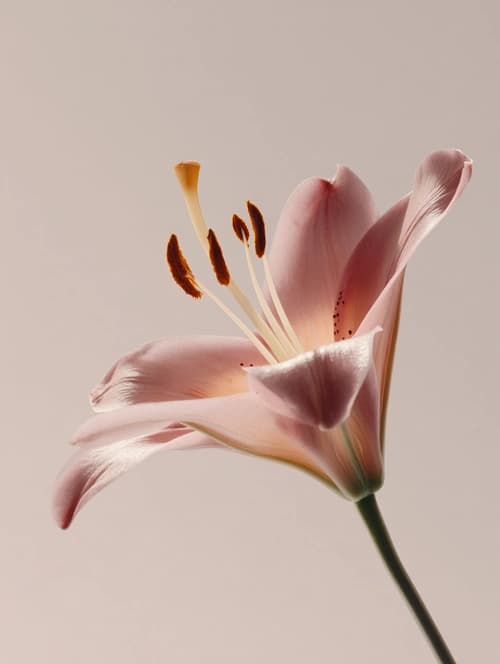
The zygopetalum is the orchid for the nose: hardly any other indoor orchid is this fragrant — hyacinth-like, sweet and spicy, a single spike perfumes an entire room. On top of that comes colouring found nowhere else: green petals mottled brown over a violet-veined lip. We receive zygopetalums fresh via the Veiling Rhein-Maas mainly in autumn and winter — as a gift for orchid connoisseurs they are our first recommendation.
- Light
- Bright to semi-shaded, no harsh midday sun.
- Watering
- Keep lightly moist with regular soft-water watering; avoid waterlogging and wet foliage.
- Care level
- Medium
- Botanical
- Zygopetalum
The genus comprises around 15 species from the mountain forests of Brazil; the trade is dominated by compact hybrids with upright spikes carrying five to ten blooms. The combination of green petals mottled brown and the broad, white lip veined in violet makes every flower a small painting — no other common pot orchid wears these colours.
The fragrance is the selling point and genuinely remarkable: intensely sweet with a spicy hyacinth note, strongest in the morning and during the first weeks of flowering. If you are sensitive to strong floral scents, keep the zygopetalum out of the bedroom — for everyone else, that scent is precisely the reason to buy one.
As a mountain-forest orchid the zygopetalum likes bright but not full-sun conditions and is grateful for cool nights: ideal are 18 to 22 degrees Celsius by day and noticeably cooler nights of 14 to 16 degrees. That day-night difference is also the key bloom trigger — in a living room kept evenly warm all year the plant turns bloom-shy.
Water regularly with soft water; the substrate should stay lightly moist and only dry off at the surface. The sturdy bulbs forgive a brief lapse, but permanent wetness they do not. A typical warning sign is black spotting on the leaves — caused by water left standing on the foliage or by culture that is too cold and wet.
After flowering the spike is cut at the base; it will not reshoot. The new spike appears with the new growth, usually in late summer or autumn. A summer outdoors in semi-shade, with its cool nights, almost always turns a hesitant bloomer into a reliable one.
In floristry we also use zygopetalum as an exclusive cut flower: the mottled stems last two to three weeks in the vase and give modern green-and-violet bouquets a character no other bloom provides.
Is Zygopetalum Orchid toxic to children and pets?
- Children
- Non-toxic
- Cats
- Non-toxic
- Dogs
- Non-toxic
Like most orchids, the zygopetalum is considered non-toxic to cats, dogs and people. The intense fragrance is harmless to pets but may bother scent-sensitive people.
Overview: toxic & non-toxic plants for cats, dogs and children
Care
- 01Place bright without harsh midday sun; an east or west window is ideal.
- 02Keep the substrate lightly moist with soft water, letting only the surface dry off.
- 03Allow cool nights (14–16 °C) — they are the most important bloom trigger.
- 04Do not leave water standing on the leaves when watering; it causes black spotting.
- 05In summer it enjoys a semi-shaded spot outdoors; bring it in before nights drop below 10 °C.
- 06Cut spent spikes at the base and repot into fresh substrate every two years.
Frequently asked
- How strong is a zygopetalum's fragrance really?
- Very strong — a single flower spike can fill an entire room. The scent recalls hyacinths, sweet with a spicy note, and is most intense in the morning. That makes the zygopetalum less suitable for scent-sensitive people and bedrooms; in living areas the fragrance is the main reason many buy it.
- Is the zygopetalum toxic to cats or dogs?
- No, like almost all orchids the zygopetalum is considered non-toxic to cats, dogs and people. The strong fragrance is harmless to pets as well.
- Why is my zygopetalum getting black spots on its leaves?
- Black spots usually come from water left standing on the leaves, from culture that is too cold and wet, or from fungal attack in poorly ventilated air. Keep the foliage dry when watering, provide some air movement and watch affected areas — single spots are cosmetic, but if they spread, cut back the affected leaf.
- When does the zygopetalum flower?
- The main flowering season is autumn and winter, often from September into March — which is why the trade carries it mainly in the colder half of the year. The display lasts four to six weeks in a cool spot. Cool late-summer nights decide whether the plant sets buds reliably.