Bridesmaid Bouquets: Coordinated, Not Identical
How to coordinate bridesmaid bouquets with the bridal bouquet — smaller, tone-on-tone, harmonious. With clear proportions and the right count.
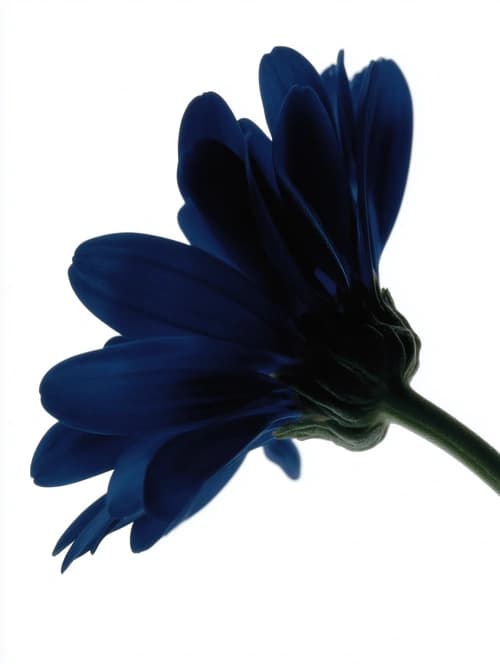
The most common mistake with bridesmaid bouquets: they become copies of the bridal bouquet. Then five identical bouquets compete with the one that should be the centerpiece. The more elegant solution is coordination, not repetition — same color family, smaller scale, one shared visual thread. The group reads as cohesive, yet the bride still stands out.
1. Keep the proportion. The bridal bouquet is always the largest — bridesmaid bouquets sit at roughly half to two thirds of its size. This hierarchy is not a detail; it decides the effect in group photos: the eye automatically follows the fullest bouquet, and that one belongs to the bride. A small bouquet of 12 to 20 stems looks lush enough without competing.
2. Borrow the color, not the shape. The most effective coordination is tone-on-tone: pick up one or two lead colors from the bridal bouquet and carry them into the smaller bouquets. The flower varieties can differ freely. A continuous color family ties the group together more strongly than identical flowers — and gives you room on budget and season at the same time.
3. Choose between three approaches. Matching (the same flowers as the bridal bouquet, just smaller) reads classic and formal. Complementary (same colors, different blooms) is the most flexible route and the best choice for most modern weddings. Mono-bloom (each bridesmaid carries a single variety in the same color family) is clean, modern, and especially lovely for large wedding parties.
4. Keep one thread constant. Once bouquet shapes vary slightly, you need a connecting element so the group doesn't look accidental. The easiest way is the ribbon: a single silk ribbon in a tone from the color scheme runs through every bouquet. A consistent green — eucalyptus, for instance — works as the same kind of bracket.
5. Plan the count realistically. With many bridesmaids it pays to switch to smaller posy or mono-bloom bouquets — that keeps the look light and the budget in check. A proven rule of thumb: if you want to spend more, put it into the one bridal bouquet rather than five equally expensive companion bouquets. That way the best blooms land where they matter most.
6. Remember the flower girls. They carry the smallest version — often a tiny posy of three to five blooms or a flower ball to hold by a loop is enough. The only thing that matters is picking up the same color family here too, so the whole line from bridal bouquet to flower girl reads as one considered ensemble.
7. Order early and in season. Coordinated bouquets stand or fall with reliable bloom quality on the wedding day. Seasonal varieties arrive fresher, truer in color, and longer-lasting — and the florist can actually hit the color family. Our flowers come fresh from the Veiling Rhein-Maas, which is exactly what makes the difference for such a carefully planned set.
Frequently asked
- Do bridesmaid bouquets need the same flowers as the bridal bouquet?
- No, and often that's the nicer solution. It's enough to pick up one or two lead colors from the bridal bouquet and carry them through tone-on-tone. The varieties can differ, as long as the color family or a connecting element like the ribbon stays the same. The group reads as coordinated without every bouquet being identical.
- How much smaller should a bridesmaid bouquet be?
- As a guide, about half to two thirds of the bridal bouquet's size, often with 12 to 20 stems. The key is that the bridal bouquet clearly stays the largest — that hierarchy keeps the bride at the center in group photos automatically.
- Which style works best with many bridesmaids?
- For large wedding parties, small posy bouquets or mono-bloom bouquets — each bridesmaid carrying a single variety in the same color family — are the smartest choice. They keep the look light, repeat well, and protect the budget without losing the coordination.
- How do you keep bouquets cohesive despite varying shapes?
- Through one continuous thread. The easiest is a single ribbon in a tone from the color scheme that links every bouquet. A consistent green like eucalyptus or a constant color family also works as a bracket — even when shapes and varieties vary slightly.