Giving Flowers at Christmas: Amaryllis, Christmas Rose & the Right Arrangement
Which flowers truly shine under the tree, what they mean — and how to pick a host gift that doesn't drown in the vase. Hands-on florist knowledge.
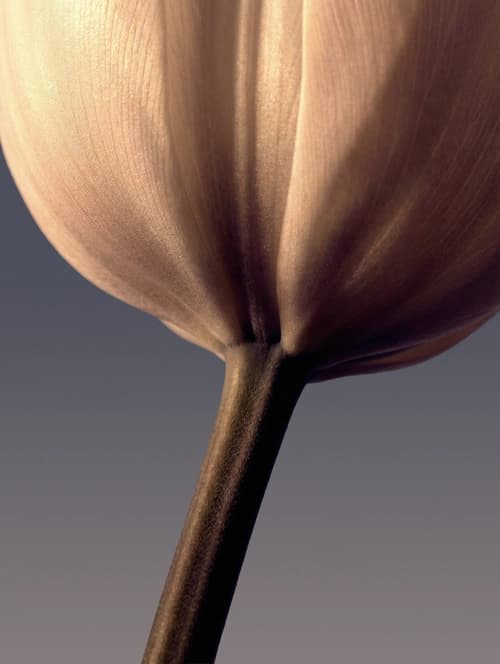
Chocolate is eaten by January, the candle burned down — flowers last. Giving flowers at Christmas means giving something that brings joy beyond the holiday itself. The trick is matching the gift to the moment: an arrangement for the festive table, a potted plant for the windowsill, or a bouquet as a host gift. Each has its own rules.
The three classics and what they mean. Three flowers define the Advent season, and each tells its own story. The amaryllis (botanically Hippeastrum) stands for pride, strength and festive splendour — a single, towering bloom fills an entire room. The Christmas rose (Helleborus niger), which flowers in the snow, is a symbol of purity and new life in the darkest time of year. And the poinsettia, with its glowing red bracts, is the worldwide emblem of festivity and warmth. Give the meaning along with the flower and you turn a gift into a message.
Arrangement or bouquet? A quick decision guide. An arrangement stands on its own, needs no vase, and is the right choice when you don't know whether the recipient even owns a suitable one — ideal for the festive table or as a host gift. A bouquet feels more generous and personal but assumes someone is home to put it straight into water. Rule of thumb: arrangement for “it sets itself up”, bouquet for “I know the household and know it'll be cared for”.
The host gift — please don't storm in. The most common mistake with a gift on arrival: a large fresh bouquet the host has to unwrap, trim and arrange in a vase right in the middle of her preparations. It steals time precisely when she has none. More elegant: a small finished arrangement, a potted plant, or a bouquet handed over already in a simple vase or with a water reservoir. That way the gift stays a gesture — not a chore.
Toxicity warning: matters with children and pets. The three most popular Christmas flowers are, of all things, not harmless. Amaryllis is toxic in all parts, especially the bulb; the Christmas rose is considered highly toxic and can irritate mucous membranes if swallowed; the poinsettia's milky sap irritates skin and membranes too. For adults this poses no danger as long as no one nibbles on them — but in homes with small children or cats these plants should stay out of reach. If in doubt, ask about pets before giving and choose less problematic cut flowers instead.
Style: less glitter, more form. Christmas floristry needn't be overloaded. Instead of gold spray and fake snow, clear colour worlds look the most refined: deep red with dark green and a hint of silver, or an all-white arrangement with eucalyptus and a touch of fir. One strong accent — an open amaryllis, three Christmas roses — beats ten small effects. Here too, less is the more elegant choice, especially when the gift has to hold its own beside colourful tree decorations.
Hands-on: keeping a cut amaryllis stable. If you give or set up an amaryllis as a cut flower, three small steps pay off. First: the hollow, fleshy stem tends to curl up in water — a strip of clear tape around the freshly cut end prevents it. Second: only a few centimetres of water in the vase, since the hollow stems rot quickly in deep water. Third: a thin wooden stick inside the stem supports the heavy bloom. Done right, an amaryllis easily lasts through the whole holiday.
Frequently asked
- Which flower is best to give at Christmas?
- It depends on the occasion. For the festive table or as a host gift, a finished arrangement with amaryllis, Christmas roses and a little fir works well because it needs no vase. For a grand gesture to someone close, a wintry bouquet is right. A potted amaryllis or poinsettia lasts beyond the holiday and is ideal when the gift should keep giving joy.
- Are Christmas flowers toxic to cats and children?
- The three classic Christmas bloomers — amaryllis, Christmas rose and poinsettia — are all toxic. With amaryllis the bulb is especially dangerous, the Christmas rose is considered highly toxic, and the poinsettia's milky sap irritates skin and membranes. Cats react more sensitively than humans, so in homes with small children or cats these plants should stay out of reach. If you're planning such a gift, it's best to ask about pets beforehand.
- How long does an amaryllis last as a cut flower?
- With good care, an amaryllis lasts a solid one to two weeks as a cut flower — easily through the holidays. What matters is only a few centimetres of water, fresh water every two days, and a cool, not-too-sunny spot around 18 to 20 degrees. Tape around the stem end stops the hollow stem from curling, and a thin stick inside supports the heavy bloom.
- What's a good Christmas host gift that creates no work?
- Don't give anything the host has to tend to first. Ideal options are a small finished arrangement, a potted plant, or a bouquet handed over already in a simple vase or with a water reservoir. That way the gift stays a pleasure and doesn't become a chore in the middle of the preparations.