Flowers as a Thank-You: The Right Gesture for Every Occasion
Which flowers actually say „thank you“ — and how big the gesture should be for a teacher, neighbour or host, without ever feeling awkward.
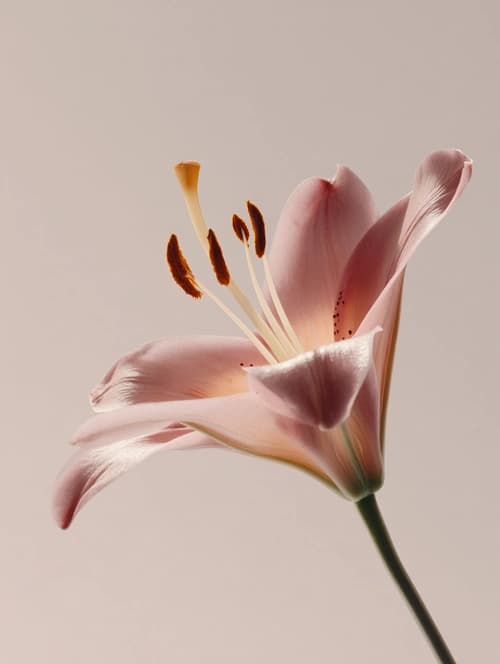
A floral thank-you usually goes wrong for the same reason: the gesture doesn't match the relationship. A huge bunch of roses for a primary-school teacher feels overstepping; three sad tulips for the host who cooked a three-course meal feel careless. This guide sorts out which flowers say „thank you“, how big the gesture should be — and why the card often matters more than the bouquet.
Which flowers actually say „thank you“. The language of flowers has clear gratitude symbols, and they are friendly rather than romantic: yellow and warm-orange roses have long stood for friendship and appreciation — not love, which makes them ideal for a neutral thank-you. Hydrangeas are the classic thank-you flower: lush blooms that express „sincere gratitude and understanding“. Sunflowers send warmth and a hearty „I like you“, peonies stand for harmony and good fortune. To play it safe, avoid red roses — they remain a message of love and only cause confusion in a thank-you.
Match the gesture to the relationship — a simple rule of thumb. The closer the person, the more personal and generous it may be; the more formal the relationship, the simpler and more neutral it should stay. For casual acquaintances and service providers, a small, friendly gesture is plenty. For people who genuinely did something for you — over days or weeks — a full tied bouquet is right. It isn't about price but about fit: a tiny posy as thanks for a whole moving weekend looks stingy, an oversized bouquet for a brief favour looks pushy.
Teacher: small, bright, uncomplicated. Here less is more. A compact, cheerful bouquet in yellows and whites is exactly right — large enough to feel valued, small enough not to be lugged home on the bus all afternoon. Think practically: on the last day of term a teacher may receive several bouquets and has to carry them. A manageable size is a genuine favour. If several parents chip in, go for one nice medium bouquet rather than three small ones.
Neighbours: the low-maintenance thank-you. For the neighbour who takes in your parcels or waters the plants while you're away, a different scale applies: it should be easy and create no sense of obligation. A small, happy bouquet — or, even more practical, a potted plant that won't be in the bin after three days. Keep the gesture light and casual. Make it too grand and you put the neighbour in the awkward position of feeling they must „repay“ you.
Host and hostess: the most common floral mistake. This is where people go wrong most. Do NOT bring a loose bouquet to a dinner — the host then has to interrupt the welcome to find a vase, trim stems and arrange. You take time from them instead of giving it. Two more elegant solutions: either bring flowers already in a vase or vessel that can go straight onto the table, or — the pro move — send the bouquet the day after the event with a thank-you card. That is the calmest, most elegant form of thanks and is almost always a pleasant surprise.
The card is half the gesture. With thank-you flowers, the message isn't carried by the blooms but by the words. A bouquet without a card is a pretty object; a bouquet with two honest, specific sentences is a thank-you. Be specific: not „thanks for everything“, but „thank you for spending so much time with my daughter this week.“ Three lines are enough — handwritten, signed. That specificity is the difference between a dutiful gesture and a moment the recipient remembers.
Think about season and shelf life. A thank-you should bring joy, not wilt on the table after three days. Seasonal flowers are fresher, last longer and are often more beautiful than imports from cold storage. Choosing sunflowers in summer, tulips in spring or dahlias in late summer means you automatically pick what is currently most robust. With us every stem comes from Veiling Rhein-Maas in A1 quality — which, for a thank-you, is the difference between „four days“ and „two weeks“ of joy.
Frequently asked
- Which flowers say „thank you“ best?
- Yellow and orange roses (friendship, appreciation), hydrangeas (sincere gratitude) and sunflowers (warmth, „I like you“) are the classic thank-you flowers. They feel warm but not romantic. Avoid red roses — they remain a message of love.
- How big should a thank-you bouquet for a teacher be?
- Small to medium, bright and manageable. A compact bouquet feels appreciative without overstepping and is easy to carry — especially on the last day of term, when several bouquets pile up. If parents chip in, one nice medium bouquet beats three small ones.
- Do you bring flowers to a dinner or send them afterwards?
- The most elegant option is to send the bouquet the day after the event with a thank-you card. If you bring flowers in person, bring them ready in a vase — a loose bunch forces the host to hunt for a vase and scissors mid-welcome.
- What do you write on a thank-you card with a bouquet?
- Be specific rather than general: not „thanks for everything“, but name exactly what you're grateful for. Two or three handwritten lines with your name are plenty. That specificity turns a dutiful gesture into a moment people remember.
Further reading
Occasion
Giving Flowers: Which Flower Suits Which Occasion
Occasion
Bouquet Card Texts: What You Should Actually Write
Meaning
Pink Flowers and Their Gentle Message: What the Colour Really Says
Meaning
Orange Flowers: The Meaning of Energy, Warmth and Success
Occasion
Giving Flowers at Christmas: Amaryllis, Christmas Rose & the Right Arrangement
Occasion
Retirement and Farewell Flowers: A Worthy Goodbye
Occasion