Orange Flowers: The Meaning of Energy, Warmth and Success
What orange blooms stand for, which occasions they suit, and which colours they pair with — a decision guide, not a lexicon list.
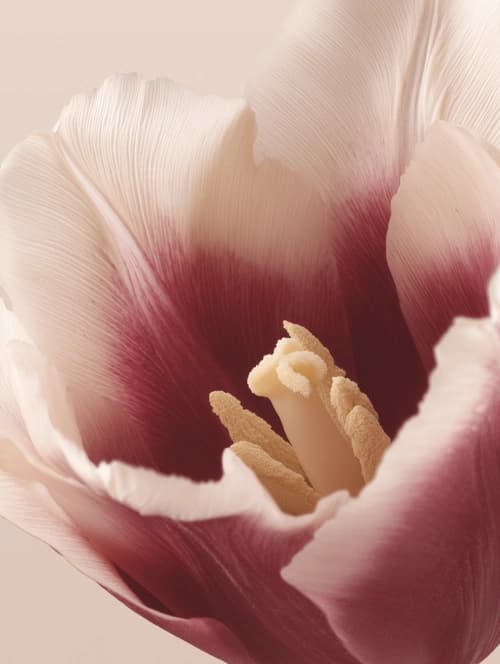
Red means love, white means purity — and orange? Orange is the colour nobody gives to be quiet. It sits between the fire of red and the cheer of yellow and says, “I'm happy for you.” If you want to know when an orange bouquet is the right call, here are the documented meanings, the fitting occasions and the colour pairings that actually work.
The core meaning: energy, enthusiasm, warmth. Orange is born from red and yellow — and inherits the best of both. From red it takes passion and drive, from yellow friendliness and joy. In the modern language of flowers, orange blooms therefore stand for enthusiasm, optimism and positive momentum. They are not a love confession like red roses, but an exclamation of anticipation — the colour of new beginnings, success and shared celebration.
Three meanings worth knowing. First, success and fresh starts: orange is the classic congratulatory colour for new chapters — a promotion, a passed exam, a business opening. Second, warmth and gratitude: an orange bouquet says “thank you” with more heart than a polite white one, without slipping into romantic territory. Third, fascination: in the language of flowers the orange tulip carries the explicit message “you fascinate me” — a charming middle ground between friendship and more.
Which flowers glow orange. The range is wider than many assume. Gerberas bring a clear, cheerful orange without pathos. Ranunculus deliver a dense, rose-like orange for elegant arrangements. Tulips carry the “fascination” mentioned above. Lilies and calla add architectural, luminous accents. Roses in orange signal luck and hope rather than romantic love — ideal when the gesture should feel warm but not unambiguous. You'll find dedicated lexicon pages for each variety and its care; here it's all about the effect of the colour.
Which colours orange works with — three reliable combinations. 1. Tone on tone (orange, peach, warm yellow): creates a sunset effect, harmonious and refined, perfect for autumn and for thank-you bouquets. 2. Orange with deep blue or violet (such as delphinium or iris): the complementary contrast makes the orange positively glow — modern and eye-catching. 3. Orange with plenty of fresh green and white: takes the punch out of the colour, light and summery. Rule of thumb: the more saturated the orange, the more sparingly you use it — a few accents shine brighter than a solid wall.
Season and mood. Orange is a year-round colour with two peaks. In late summer and autumn it plays its full warmth — marigolds, dahlias and orange asters echo the foliage and turn a bouquet into a seasonal gesture. In deep winter an orange bouquet feels like a piece of light against the grey; that's exactly when the colour is often given as a mood-lifter. At Veiling Rhein-Maas, where we buy every day, the range shows best in autumn — from soft apricot to vivid mandarin.
A word of caution for cat owners. An honest warning beyond the symbolism: true lilies (Lilium) and daylilies are highly toxic to cats — even pollen or the vase water can cause kidney failure. But popular orange varieties are not automatically safe either: ranunculus contain protoanemonin and irritate the gastrointestinal tract, and true marigolds (Tagetes) are likewise considered mildly toxic to cats. If you're sending a bright orange bouquet into a household with cats, the safest choice is gerberas or freesias — both listed by the ASPCA as non-toxic to cats. The message “joy of life” stays exactly the same — just without the risk.
Frequently asked
- What do orange roses mean?
- Orange roses stand for luck, hope and enthusiasm — not for romantic love like red roses. They are the ideal choice when a gesture should feel warm and full of positive energy without being an outright love confession. That makes them perfect for congratulations, achievements and a warm thank-you.
- Which occasions suit orange flowers?
- Orange flowers fit anywhere that's about new starts and joy: a birthday, an anniversary, a passed exam, a new job, a business opening or a thank-you. They're less suited to mourning and very formal condolences, where muted tones and white feel more appropriate. As a mood-lifter in grey months, though, they're hard to beat.
- Which colours pair best with orange flowers?
- Three combinations are reliable: tone on tone with peach and warm yellow for a harmonious sunset look; orange with deep blue or violet for a glowing complementary contrast; and orange with plenty of green and white for a light, summery feel. The more vivid the orange, the more sparingly you should use it, so it glows as an accent rather than overwhelming.
- Are orange flowers toxic to pets?
- That depends on the variety, not the colour. True lilies and daylilies are highly toxic to cats — even pollen or vase water can be dangerous. But ranunculus (protoanemonin) and true marigolds (Tagetes) are also considered toxic or mildly toxic to cats. Orange gerberas and freesias, by contrast, are listed by the ASPCA as non-toxic to cats. If you're sending flowers into a pet household, choose those varieties and avoid lilies, ranunculus and marigolds. The “joy of life” effect stays fully intact.
Related topics
Flower Library
Tulips
Flower Library
Gerberas
Flower Library
Ranunculus
Flower Library
Roses
Flower Library
Lilies
Flower Library
Calla Lilies
Flower Library
Asters
Flower Library
Freesia
Flower Library
Blanket Flower
Flower Library
Chinese Lantern Lily
Flower Library
Pincushion Protea
Flower Library
Pot Marigold
Occasions
Birthday Flowers
Occasions
Anniversary Flowers
Occasions