Dusting Dried Flowers: Clean Them Gently Without Crumbling
Cool hairdryer or brush? Which method suits which flower — and how to remove dust without your blooms crumbling.
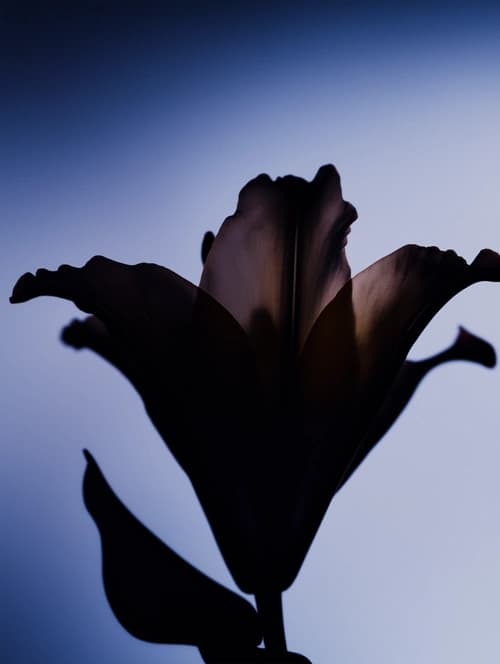
Dried flowers last for years — if it weren't for the dust. Over time a grey film settles on the blooms and dulls their colour. The catch: dried flowers are brittle, one wrong touch and the bloom crumbles. Here are the two methods florists use to dust them — and when to choose which.
First, understand why they break. While drying, the plant loses almost all of its moisture. What remains is rigid and glass-brittle — unlike a fresh bloom that yields. Any pressure, bending or strong gust of air can snap off petals. So the rule is always: as little touch and force as possible. “More is more” definitely does not apply here.
1. Hairdryer on COOL — for grasses and fine blooms. Pampas grass, silver grass, baby's breath or fluffy panicles are best “blown clean”. Set the dryer to the lowest fan speed AND the cool button — heat makes dried flowers even more brittle and can curl the petals. Keep about 30 cm distance and pass the airflow briefly over the blooms, don't hold it there for minutes. Ideally do it outdoors or over the sink, otherwise the dust just relocates elsewhere in the room.
2. Soft brush — for flat, sturdy blooms. Poppy seed pods, strawflower heads or broad hydrangea umbels handle a brush better than a gust of air. Use a soft make-up or watercolour brush that isn't too large for the bloom. Support the flower lightly from below with your free hand and always sweep the dust from the stem base outward toward the flower tip — never against it, or you'll pry petals loose.
3. Turn heavily dusted bouquets over and shake them out. If a thick layer has built up over months, carefully turn the whole bouquet upside down and tap gently against the wrist holding it. The vibration loosens the coarse dust without pulling on individual blooms. Then finish the rest with the dryer or brush.
Keep water and damp cloths away. Dried flowers and moisture don't mix: they soak up water, turn mushy, lose their colour and can grow mould. Even a “only slightly damp” cloth is off limits. To protect delicate bouquets long term, you can mist them thinly with colourless hairspray from 30–40 cm after dusting — this fixes loose petals and slows new dust. Use sparingly, or the blooms stick together.
Prevention beats cleaning. How often you'll need to clean depends on the spot. Direct sun bleaches the colours over weeks, damp rooms like bathrooms or kitchens make the blooms go limp, and a draughty hallway constantly carries in fresh dust. A bright but shaded, dry place keeps dried flowers looking good longest — and then dusting every one to two months usually suffices. At the Veiling Rhein-Maas we already pick clean, well-dried stems at purchase, so a bouquet doesn't reach the vase dust-prone in the first place.
Frequently asked
- Can I wipe dried flowers with a damp cloth?
- No. Dried flowers absorb moisture, go soft and mushy, lose colour and can grow mould. Stick to dry methods — a cool hairdryer or soft brush. Even a slightly damp cloth is enough to ruin delicate blooms.
- Why should the hairdryer be set to cool?
- Heat draws out the last bit of residual moisture and makes the blooms even more brittle, and hot air also curls the petals. The cool button blows dust away just as well without damaging the flower — combined with the lowest fan speed and about 30 cm of distance.
- How often do I need to dust dried flowers?
- Usually every one to two months, depending on the spot and how much dust your room collects. In a quiet, shaded place away from draughty doors things stay clean longer. Only clean when truly necessary — every touch carries the risk of petals breaking off.
- Does hairspray help against dust and crumbling?
- Yes, in moderation. Colourless hairspray misted thinly from 30–40 cm fixes loose petals and forms a light protective layer that holds less dust. Important: use sparingly and spray outdoors or well ventilated, otherwise the blooms stick together and lose their natural look.