DIY Door Wreath: One Base, Four Seasons
One core technique that carries you through the whole year — spring, summer, autumn, Advent. Plus the honest answer to: fresh or dried?
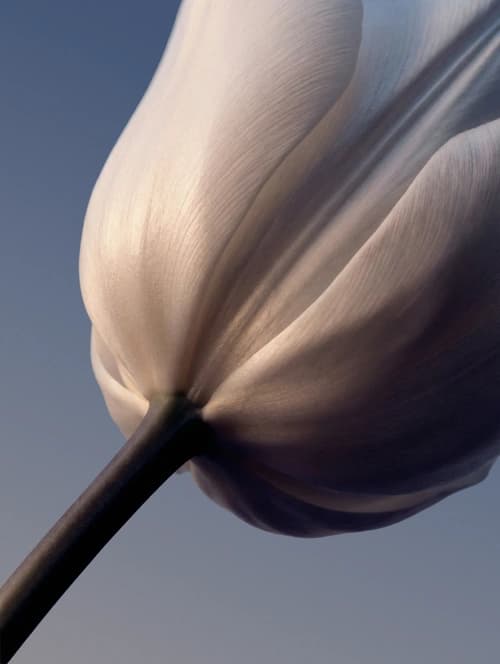
A door wreath is the oldest welcome sign we know — since antiquity the closed circle has stood for ‘no beginning, no end', for protection and for an open home. The good news: you don't need four different tutorials for four seasons. You need one clean base technique and the knowledge of which material belongs when. That's exactly what follows.
First the base: there are three blanks, and the choice matters more than the flowers. A straw ring (pressed straw) is the all-rounder — firm enough to push stems straight in, thick enough for full wreaths. A willow or vine ring is the most natural look and often stands on its own, wrapped with just a few accents. A bare wire ring is the most delicate option for light, modern wreaths — and you can bend one yourself from a straightened coat hanger. Rule of thumb: fresh, heavy material wants straw; light dried flowers love willow or wire.
The base technique — it works the same all year: 1. Sort your material into small bundles (posies) of 3–5 stems, all facing the same way. 2. Lay the first bundle on the ring and wrap it twice firmly with floral wire (green binding wire from the spool) — never cut the wire, it runs continuously. 3. Lay the next bundle so its flower heads cover the stems of the previous one — like roof shingles. Wrap again. 4. Keep working in the same direction until the circle closes. 5. Tuck the last bundle under the first so no ‘bare' start shows. Knot the wire, form a loop to hang it — done.
Spring and summer — this is where fresh pays off. In spring many bind onto willow: tulip accents, ranunculus, baby's breath, a few birch or forsythia twigs. In summer a straw ring carries thirsty stems too — hydrangeas, asters, scabiosa, with eucalyptus or ruscus as greenery. The key with fresh wreaths: they're a performance for days, not permanent decor. A shaded, non-blazing door spot and a morning mist from the spray bottle noticeably extend freshness. Bind onto A1-grade material — stock selected for longevity already at the wholesale auction — and you simply get a few more days.
Autumn and Advent — this is where dried material shines. In autumn the straw ring is ideal for grasses, pampas plumes, strawflowers, statice and dried hydrangeas — anything that stays stable dry and holds its colour. For Advent, evergreen conifer comes in traditionally (noble fir, Nordmann), wrapped with the exact same shingle technique. An Advent wreath of fresh fir easily lasts the season on a cool outdoor door; indoors, keep it cool overnight and mist it.
Fresh or dried — the honest decision aid. Fresh: maximum lushness and scent, but a lifespan of days to a week or two — perfect for an occasion, a celebration, a special welcome. Dried: lasts one to three years in a dry, sun-protected spot, is more sustainable, and you can bind it ahead at leisure. Strawflowers, statice and craspedia keep their colour especially well because they already hold little water when fresh; lavender stays fragrant for a long time but fades somewhat over the years. My advice: spring and summer fresh for the wow moment, autumn and Advent dried or evergreen for the long haul.
A word on safety that's often missing: several classic wreath materials are toxic — boxwood, thuja and eucalyptus can cause vomiting, diarrhoea and cramps in cats, dogs and rodents. On an outdoor door this is rarely an issue; but once the wreath hangs indoors or might fall, and curious animals share the home, reach instead for harmless greenery and dried flowers like strawflower, statice or grasses.
Frequently asked
- Which wreath base is easiest for beginners?
- A straw ring. It's firm, forgiving, and you can push stems straight in or wrap them with wire. Willow rings look elegant but need more feel for the material. A bare wire ring is the most delicate and better suited to your second or third wreath.
- How long does a fresh door wreath last?
- Depending on material and location, usually a few days to a week or two. On a shaded, non-blazing door and with a morning mist it lasts longer; evergreen fir survives the whole Advent season. If the wreath should last months or years, bind it dried instead.
- Which materials are toxic to cats and dogs?
- Boxwood, thuja and eucalyptus are among the problematic classics and can cause vomiting, diarrhoea and cramps in pets. On an outdoor door the risk is low. If the wreath hangs indoors or curious animals share the home, harmless greenery and dried flowers like strawflower, statice or grasses are the safe choice.
- Fresh or dried flowers for the wreath?
- Fresh for the big moment — lush and fragrant, but only for days. Dried for the long run — lasting one to three years, sustainable and relaxed to bind ahead. Spring and summer often reward fresh; autumn and Advent reward dried or evergreen.