Everyday Table Flowers: Small, Quick, Beautiful Every Day
No occasion, no fuss — how to build a small table arrangement in five minutes that won't block the view and is easy to refresh.
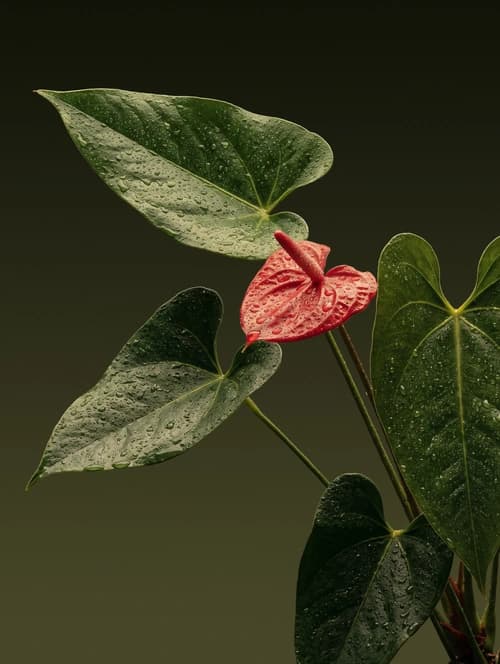
Flowers on the table aren't a Sunday-only affair. The best table arrangement is the one that simply sits there every day — small enough to see over, simple enough to finish in five minutes. This guide shows how, without floral foam, without a course, and without a big bouquet — and what to watch for if cats share the home.
The most important rule first — height. A dining-table arrangement must never block the view. Rule of thumb: keep it below the eye level of seated guests, roughly no taller than 25–30 cm. A quick test: rest your elbow on the table and reach out your hand — if the arrangement fits under your palm, people can talk over it comfortably. Anything taller belongs on the sideboard, not the dinner table.
1. Choose the right vessel. For everyday use, a low, wide bowl beats any tall vase. It keeps the flowers low, lets them spill outward, and needs only a few stems to look full. A bowl 15–20 cm across and 8–12 cm tall is ideal. No bowl? A cereal dish, a tumbler, or a small jug works just as well. A row of little glasses is the easiest table decoration of all — a single flower per glass is enough.
2. Cut the stems short — shorter than you think. The most common beginner mistake is leaving stems too long. Cut them so the flower heads sit just above the rim of the bowl. An angled cut improves water uptake, and lower leaves come off so nothing rots in the water. The trimmed-off stem pieces aren't waste — they make the next mini arrangement for the bathroom or desk.
3. Build in layers: greenery first, then blooms. Pros always work in this order. Lay a few sprigs of greenery across the bowl so the stems criss-cross in the water — this grid then holds the flowers in place on its own, no floral foam needed. Next add the showy blooms, finally small filler flowers in the gaps. Just three to five stems plus a little greenery already make a rounded picture.
4. Favour shape over quantity. A small table arrangement looks best with a clear shape — usually a low, round dome where the blooms are short at the edge and rise gently toward the centre. Keep turning the bowl as you work, because on the dinner table it's seen from every side. No gap, no ‘front and back’ — equally pretty all the way around.
5. Plan for the swap. The whole charm of an everyday arrangement is that it doesn't have to last forever. A small bowl empties and refills faster than a big bouquet, and you can give the table a new face to suit your mood or the season. Change the water every two to three days and trim the stems while you're at it — that same handful of flowers often lasts a full week. At the Veiling Rhein-Maas, longevity is part of what we buy for; A1 quality is exactly what you notice in small arrangements like these that simply stay fresh longer.
6. Prefer hardy flowers for daily use. Not every variety suits the short, shallow bowl. Sturdy, long-lasting blooms that stay upright even cut short work well — carnations, chrysanthemums, gerberas, or small-headed roses. For more airiness, add marguerite daisies or a few stems of greenery like eucalyptus. If you like fragrance, slip in a few stalks of lavender in summer.
One important note for homes with cats. Most of these low-maintenance classics are in fact toxic to cats: carnations, chrysanthemums and marguerite daisies (all daisy-family plants with irritant compounds), and eucalyptus and lavender with their essential oils, all appear on the ASPCA's toxic list. Comparatively safe, by contrast, are gerberas and roses. If a cat can reach the table, lean on those two — or place the arrangement on a raised surface out of jumping range. For exactly which flower poses which risk, see the guide on flowers and pets.
Frequently asked
- How tall can a table decoration be on the dining table?
- For an arrangement you talk over, keep it below the eye level of seated guests — roughly under 25–30 cm. The test: elbow on the table, reach your hand out; if it fits under your palm, the height is right. Tall arrangements belong on a buffet or sideboard.
- How many flowers do I need for a small table arrangement?
- Surprisingly few. In a low bowl, three to five stems plus a little greenery already look full and rounded, because the flowers sit low and close together. For a row of single glasses, one flower per glass is enough. Quantity is no substitute for shape — what matters is that the heads sit just above the rim.
- Do I need floral foam for a small table arrangement?
- No. Criss-cross a few sprigs of greenery across the bowl so the stems hook into each other in the water — this natural grid holds the flowers on its own. Alternatively, a tape grid over the opening or a pin frog works well. Floral foam is neither necessary nor environmentally sensible for everyday use.
- Which flowers are best for a low-maintenance everyday arrangement — even with a cat?
- Hardy and long-lasting are carnations, chrysanthemums, gerberas and small-headed roses; marguerite daisies and a little eucalyptus add airiness, lavender brings fragrance in summer. Caution in homes with cats: carnations, chrysanthemums, marguerites, eucalyptus and lavender are all listed as toxic to cats by the ASPCA — comparatively safe are gerberas and roses. With a cat, lean on those two or keep the arrangement out of reach.