Flowers That Are Said to Bring Luck — Symbolism From Around the World
Which flowers count as lucky charms in which culture — and which you can actually give as a gift. A tour through meanings, customs and a few honest caveats.
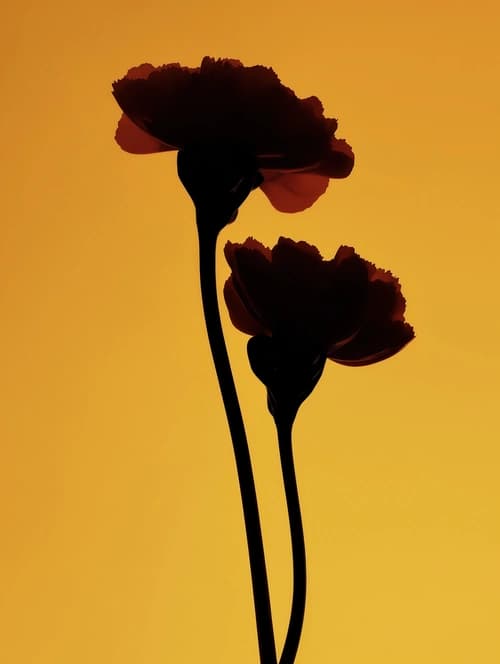
“Which flower brings luck?” — we hear this before exams, house moves and fresh starts all the time. The honest answer: there isn't one lucky flower, there are many, depending on culture and occasion. This overview shows which flower stands for what, where the custom comes from — and what to watch out for when giving them as a gift.
Lily of the valley is probably the most famous lucky charm among flowers. In France people exchange little posies on May 1st for the “fête du muguet” — whoever holds one is said to have luck all year. Symbolically it stands for the return of happiness, for purity and for the fresh start of spring. One important note: lily of the valley is highly toxic in all its parts (Convallaria majalis, named Germany's “Poisonous Plant of the Year” in 2014; the culprits are cardiac glycosides). Beautiful as a cut flower and a symbol of luck — but please keep it out of reach of children and pets and wash your hands after handling it.
Lucky clover (botanically Oxalis tetraphylla, not true meadow clover) is the classic gift for New Year's Eve. Unlike three-leaf white clover it naturally always carries four leaves — which is exactly why the potted plant works as a reliable lucky symbol. With true meadow clover, by contrast, the fourth leaf is what makes the difference: in the wild only about one clover plant in ten thousand carries four leaves (counts vary between roughly 1:1,000 and 1:10,000), and exactly that rarity has signalled luck for centuries. The four leaves are often linked to the four elements or the four cardinal directions — in Celtic and Irish tradition they stand for faith, hope, love and, of course, luck. The potted lucky clover sold in shops usually blooms pale pink or white and is more of a small gift than a bouquet.
Cultures set different accents, and it pays to know them before you give. In China peonies symbolise wealth, honour and good fortune — they're called the “king of flowers” (花王) for a reason. Chrysanthemums stand for long life and renewal across East Asia; Japan even has a chrysanthemum festival, and the bloom adorns the imperial seal. Yet here lies a trap: in much of Central and Southern Europe chrysanthemums are cemetery and mourning flowers. The very same flower can mean luck or condolence — context decides.
If you want to give luck in everyday Western settings without stepping into cultural pitfalls, sunny, life-affirming flowers are the safe choice. Sunflowers stand for warmth, optimism and confidence — an ideal greeting for a new beginning. Yellow and orange tones feel uplifting in general and are associated with energy and success. For wishing someone well before an exam or a new job, a few cheerful gerberas or tulips often work better than a highly symbolic but easily misread bouquet.
Our practical advice from the shop floor when you give luck: first, think of the recipient and their cultural background, not just the flower. Second, pair symbolism with freshness — a lucky symbol loses its magic if it droops after three days. Third, a small card explaining the meaning turns any bouquet into a lucky charm, because the gesture becomes visible. Here in Düsseldorf-Pempelfort we buy each morning at the Veiling Rhein-Maas so that exactly this freshness actually arrives.
And the most honest point to finish: no flower “brings” luck in the literal sense. What works is the attention behind it — someone thought of you, picked out something beautiful, wished you well. That gesture is the real luck. The symbolism is the lovely story you tell alongside it — and the better it fits the person, the stronger it works.
Frequently asked
- Which flower brings the most luck?
- There isn't one single lucky flower. The best known internationally are lily of the valley (the return of happiness, especially on May 1st in France) and the four-leaf lucky clover for New Year. Which brings “the most” luck depends on the occasion and culture — what matters is that the meaning fits the recipient.
- Can I give lily of the valley without any worries?
- As a symbol of luck yes, but with a caveat: lily of the valley is highly toxic in all its parts. In homes with small children or pets the bouquet should be kept out of reach, and you should wash your hands after trimming. Swallowed plant parts can cause nausea, vomiting and cardiovascular problems.
- Which flowers suit wishing someone luck for an exam or a new beginning?
- Sunny, optimistic flowers such as sunflowers, gerberas or tulips in yellow and orange tones feel uplifting and are culturally uncomplicated. They stand for energy, confidence and success — a safe choice if you'd rather avoid symbolic misunderstandings.
- Why are chrysanthemums sometimes lucky and sometimes mourning flowers?
- It's purely cultural. In China and Japan chrysanthemums stand for long life, renewal and luck. In much of Central and Southern Europe, by contrast, they are classic cemetery and mourning flowers. So if you're giving luck, mind the recipient's cultural background — or choose flowers with a clearer message.