Storing Flowers Cool: The Florist's Trick
Why cool storage nearly doubles vase life — and how to hold bouquets overnight or before an event without ruining them.
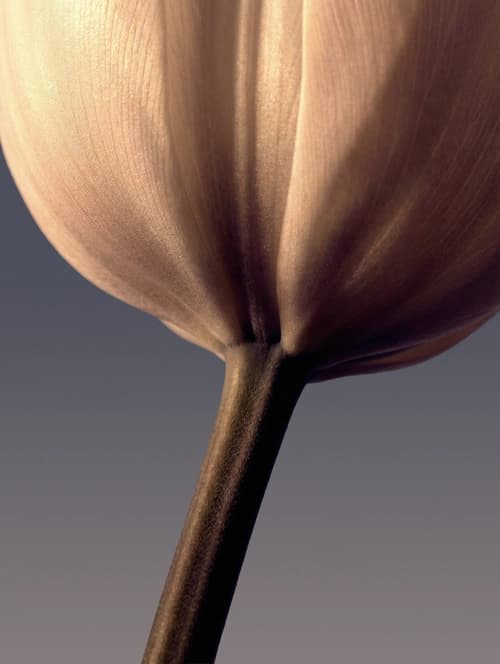
There’s a reason every flower shop has a large cold room out back: cold is the most effective tool against the aging of cut flowers — more effective than any flower food. A flower “lives” through its metabolism, and that runs full throttle in warmth. Understand the principle, and a few simple steps at home can buy you days — especially overnight or in the hours before a celebration.
Why cool works: a cut flower keeps breathing, burns through its sugar reserves and ages. This metabolism is strongly temperature-driven — as a rule of thumb the respiration rate roughly doubles for every 10 °C more warmth, so the flower draws on its reserves twice as fast. In short: every degree less slows aging, curbs the bacteria in the water and weakens the effect of the ripening gas ethylene. Professionals store most cut flowers at 1 to 5 °C; right there, the vase life of many varieties doubles compared with room temperature.
The real florist’s trick isn’t permanent chilling but the rhythm: on display by day, cool by night. Eight to ten hours of cool per night “recharge” the bouquet, because the blooms barely lose water in that time and spare their reserves. Bouquets cooled overnight stay fresh several days longer than those kept warm throughout. So you don’t need a cold room, just a smart use of the night.
How to store overnight at home correctly: 1. Re-cut stems at an angle and place them in clean, cool water. 2. Find a genuinely cool, dark spot — an unheated hallway, cellar, cool guest room or garage, ideally around 5 to 10 °C. 3. Avoid drafts and frost: below 0 °C the cells burst, the petals turn glassy and then brown. 4. In the morning, return them to the living room, away from sun and heaters. Repeat this swap over several nights — it delivers the most.
The fridge is the fallback, not the standard. It works for a single night but has three pitfalls: first, it dries the air and wilts thin petals — water the flowers well beforehand. Second, it usually holds fruit, and ripe apples, bananas or tomatoes release ethylene that quickly ages buds; so remove the fruit or keep flowers separate. Third, home appliances often run toward 0 to 4 °C — too close to freezing for delicate varieties. Never push the flowers to the coldest back wall.
Before an event, time it rather than hope: if you’re preparing bouquets for a celebration, buy or tie them one to two days ahead and keep them cool until showtime — so the blooms open in a controlled way and peak right on schedule. Tightly closed buds ripen slowly in the cool; on a warm celebration day they then open right on cue. Keep the trip between cool and table short so no condensation lingers on the blooms.
Not every flower loves cold. Tropical and subtropical beauties are sensitive and suffer chilling injury at fridge temperatures — glassy spots, brown edges, drooping heads. Strelitzia, calla, protea and orchids are among them; they prefer a cool-room warmth of about 12 to 15 °C. Sturdy cut flowers from temperate climates, by contrast, take to cool gratefully. When in doubt, moderately cool beats ice-cold — and the fresher the stems start out in A1 quality, the more days the cool ultimately wins.
Frequently asked
- Can I put a bouquet in the fridge overnight?
- Yes, for a single night it works well. Water the flowers thoroughly first, remove fruit from the fridge (its ethylene ages the blooms) and don’t place the bouquet against the cold back wall. For sensitive tropical varieties like strelitzia or orchids, though, the fridge is too cold.
- What temperature is ideal for holding flowers?
- Professionals store most cut flowers at 1 to 5 °C. At home, 5 to 10 °C in a dark spot is already very effective and safer from frost. Important: below 0 °C the petals take frost damage and turn brown. Tropical flowers want it milder, around 12 to 15 °C.
- Does cool really extend vase life, or is that a myth?
- It’s well documented. Cold slows the flower’s metabolism, curbs bacteria in the water and weakens the ripening gas ethylene. For many varieties, longevity doubles between room temperature and cool storage — the biggest lever is cooling overnight.
- How do I prepare bouquets for a celebration the next day?
- Re-cut, water well and hold them in a cool, dark spot until showtime. Tightly closed buds ripen slowly in the cool and open right on cue on the warm celebration day. Keep the trip from cool to table short so no condensation lingers on the blooms.