Seasonal flowers
Autumn Flowers
Autumn is the underrated floristry phase. While spring and summer brag with variety, autumn is more muted but deeper and more atmospheric. For warm tones (bordeaux, apricot, mustard, aubergine) and texture-rich compositions, autumn is the season.
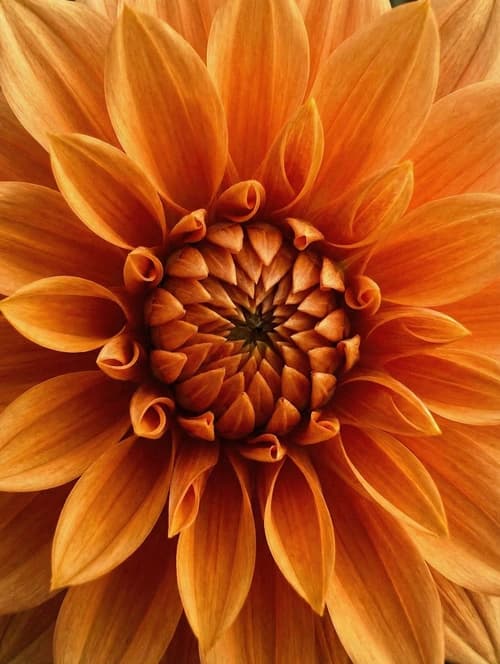
September: transition from summer. Dahlias hold peak, asters start, first berries and autumn greenery.
October: pure autumn. Chrysanthemums take over, late dahlias, asters in peak, rosehips, eucalyptus.
November: funeral peak season (All Saints', Sunday of the Dead), first Advent preparation, lots of dried flowers.
Autumn characteristics: muted tones, berries as accent, fewer airy blooms and more structural varieties (asters, chrysanthemums, dahlias). Eucalyptus becomes the default greenery.
Autumn weddings: warm palettes — apricot, mustard, bordeaux, with eucalyptus as calm green. Dahlias + asters + berries make a classic autumn wedding bouquet.
All Saints' and Sunday of the Dead (November 1 and the last Sunday before 1st Advent) are peak days for cemetery floristry. In the two weeks before, we produce hundreds of grave arrangements, wreaths and All Saints' bowls.
Harvest floristry: small table arrangements with pumpkins, berries, grain, eucalyptus — for restaurants and private customers.
Dried flower season starts in autumn: dried hydrangeas, lavender, strawflowers, pampas grass, eucalyptus. Last for months, increasingly popular as long-term decor.


Frequently asked
- What does an autumnal palette mean in floristry?
- Apricot, bordeaux, mustard, aubergine, muted green, sometimes rust orange. No pure pastels, no loud summer brights. Texture-rich (berries, dried material) rather than smooth.
- Why are chrysanthemums associated with mourning in Germany?
- Tradition: chrysanthemums bloom long into autumn and tolerate frost — for centuries the typical grave planting on All Saints'. In other cultures connoted differently (imperial in Japan, cheerfully autumnal in the US).