Flowers Toxic to Dogs: Which Are Dangerous — and Which Aren't
Which flowers genuinely endanger dogs, which symptoms point to poisoning, and which bouquet can sit safely on the table in a dog household.
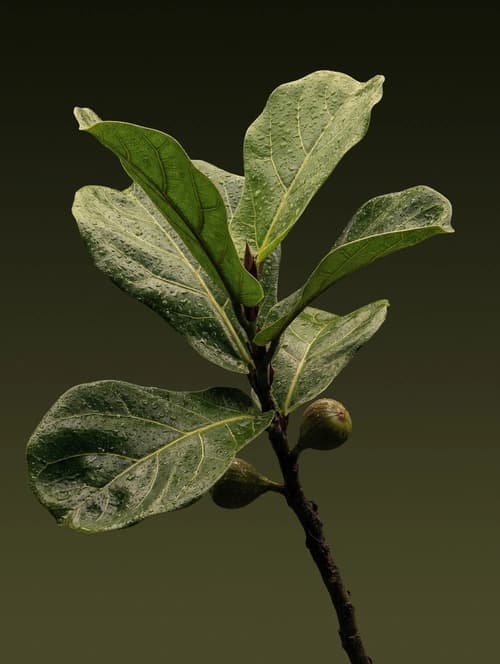
If you own a dog and love flowers, you face a simple question with serious stakes: what can go on the table — and what can't? The good news first: most classic bouquets can be assembled dog-safe once you know a handful of varieties. The bad: a few very popular flowers belong in no household with a sniffing four-legged friend. This guide sorts the candidates — no scaremongering, but a clear line.
First, the key point: dogs are not cats. For cats, lilies are life-threateningly toxic — even pollen or leaf water can trigger kidney failure. For dogs the situation differs — not harmless, but rarely that dramatic. A dog usually only poisons itself when it actually eats plant parts or drinks the murky water from the vase. Even so, prevention is easier than a midnight trip to the vet.
The critical varieties among cut flowers. Dog owners should avoid these or keep them strictly out of reach: lilies (all Lilium species), tulips and especially tulip bulbs (toxins Tulipalin A and B), daffodils (the alkaloid lycorine, highly concentrated in the bulb), hyacinths, lily of the valley (cardiac glycosides — to be taken seriously), amaryllis and chrysanthemums (pyrethrins). In many of these plants most of the toxin sits in the bulb and stem sap, not the bloom — which makes spring bouquets with bulb flowers particularly tricky.
Recognising symptoms — the warning signs. Depending on plant and amount, poisoning shows within 15 minutes to 24 hours. Watch for: heavy drooling, vomiting, diarrhoea, loss of appetite, apathy or restlessness, trembling and cramps. With cardiac plants like lily of the valley an altered heartbeat may appear; daffodils and hyacinths often cause violent vomiting. Excessive licking of the snout, swallowing or irritated oral membranes are also clues. When in doubt, any unusual behaviour after plant contact counts as an alarm signal.
What to do in an emergency — step by step. 1. Stay calm and separate the dog from the plant. 2. Remove residue from the mouth where safely possible. 3. Note or photograph which plant and how much — this helps the vet enormously. 4. Call your veterinary practice or emergency service immediately and describe the situation. 5. Do NOT induce vomiting on your own, no salt water, no milk — some home remedies make things worse. 6. If possible, take a piece of the plant to the practice. Speed matters more than self-diagnosis.
The safe side — dog-friendly cut flowers. Here you can breathe easy: roses, sunflowers, gerberas, freesias, asters, marguerites and baby's breath as filler are considered harmless. From these varieties you can tie a full, colourful bouquet without compromising on looks. If you skip tulips and daffodils in spring, replace them effortlessly with ranunculus in the same visual language — staying on the safe side for dogs without giving up seasonal freshness.
Everyday prevention — the vase rule. Even safe bouquets are best placed out of a curious dog's reach: elevated, stable, with no stems dangling down to nibble. The decaying, bacteria-rich vase water is bad for the stomach anyway — regardless of the flower. A fixed spot the dog can't reach resolves most worries upfront. At Fleura we're happy to advise dog households directly on variety choice, so the bouquet fits from the start.
Frequently asked
- Are tulips really toxic to dogs?
- Yes. Tulips contain the toxins Tulipalin A and B, most concentrated in the bulb. If a dog eats stems, blooms or even a bulb, vomiting, diarrhoea, drooling and lethargy can follow. As a cut flower kept out of reach the risk is low, but in the garden with bulbs it must be taken seriously.
- Which cut flowers are harmless for dogs?
- Roses, sunflowers, gerberas, freesias, asters and marguerites are considered safe, with baby's breath as filler too. A full bouquet can be tied from these. Still, no dog should eat plant parts or drink vase water — even non-toxic, bacteria-rich water can upset the stomach.
- My dog nibbled on a flower — when should I see the vet?
- With critical varieties like lily, daffodil, lily of the valley or amaryllis, call the practice immediately, even without symptoms. With safe flowers, observation usually suffices. If vomiting, heavy drooling, trembling or apathy appear, the rule is always: better to call once too early than too late. Never induce vomiting yourself.
- Are dried flowers safer for dogs than fresh ones?
- Not automatically. Drying removes water, not necessarily the toxins — dried tulips or daffodils remain problematic. The benefit is more practical: there's no vase water to drink. With dried bouquets too, choose safe varieties and place them out of reach.
Related topics
Flower Library
Roses
Flower Library
Sunflowers
Flower Library
Gerberas
Flower Library
Freesia
Flower Library
Marguerites
Flower Library
Baby's Breath
Flower Library
Ranunculus
Flower Library
Tulips
Flower Library
Daffodils
Flower Library
Hyacinths
Flower Library
Amaryllis
Flower Library
Lily of the Valley
Plants
Coleus
Plants
Yew
Plants
Ginseng Ficus
Plants
African Milk Tree
Plants
Oleander
Plants
Chives
Plants
Holly
Plants