Housewarming Flowers: Robust Plants That Survive the New Home
Nobody has time for a diva amid moving boxes. Which flowers and potted plants actually fit a housewarming — robust, long-lasting, and carrying a meaning that lands.
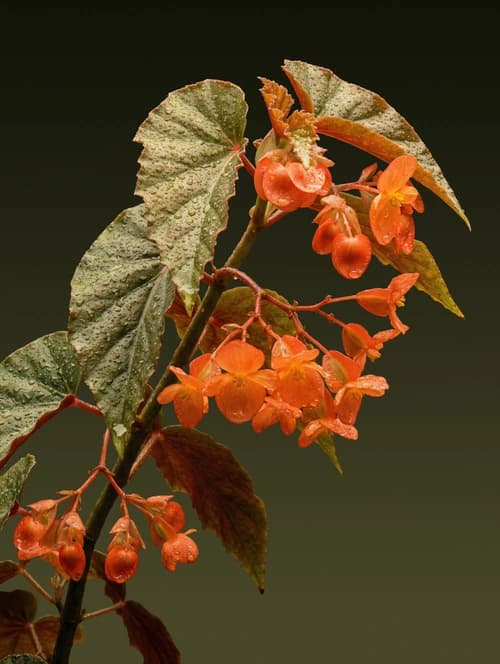
A housewarming is an odd occasion: the recipient stands between half-unpacked boxes, hasn't found a vase yet, and doesn't even know their own light conditions. That's exactly why the classic gift often fails — too delicate, too thirsty, too quickly forgotten. This guide helps you decide: cut flowers or a potted plant, which varieties shrug off the moving chaos, and what meaning a housewarming gift carries.
First decision: bouquet or potted plant? Both have their place, but they solve different problems. A bouquet is the warm gesture for the moving day itself — instantly beautiful, instantly there, no care needed during a phase when everything is upside down anyway. A potted plant is the opposite: not a peak, but a companion. It grows along, recalls the occasion for months, and stands symbolically for a home putting down roots. Rule of thumb: a bouquet if you're coming to the housewarming party; a potted plant if the gift is meant to stay and mean something.
Why 'robust' is no minor detail at a housewarming. In the first weeks in a new home, nobody has a fixed care routine. The plant gets moved around, occasionally forgotten, maybe parked in a dark hallway before its spot is found. A sensitive variety answers that with drooping leaves — and your gift, of all things, becomes a reproach. Robust plants forgive irregularity: snake plant (Sansevieria), money tree (Pachira), lucky bamboo, spider plant or the rubber plant manage weeks without perfect care. One important caveat up front: snake plant, lucky bamboo and rubber plant are low-maintenance but considered toxic to cats and dogs — so they are not a good fit for pet households (see the next step). Non-toxic and robust at once are the spider plant and the money tree.
How to pick the right variety — in four steps. 1. Clarify light: if you know the flat is bright, a rubber plant or spider plant works; with unknown or dark conditions, the snake plant is the safe bet, coping even in partial shade. 2. Consider pets: if there's a cat or dog, many classics drop out — lilies are off-limits (toxic to cats even in tiny amounts), and snake plant, lucky bamboo and rubber plant are considered toxic too. Reach instead for spider plant, calathea or areca palm, which are considered non-toxic. 3. Estimate size: an empty flat suits a stately plant, a small shared flat a compact pot. 4. Choose meaning: should it carry wealth (money tree), protection and good energy (snake plant), or simply freshness and a fresh start (spider plant)?
The symbolism at a housewarming — and why it carries the gift. A plant gift for a new home traditionally stands for hospitality, protection and luck. The money tree is seen in Feng Shui as a symbol of luck, meant to bring prosperity and good energy into the home — a kind wish for the start. Lucky bamboo even carries its message in the number of stalks: three stand for happiness, wealth and long life, five for health. The snake plant is considered a protective plant in Feng Shui that draws good energy into the home. If you like, add a small card explaining why you chose this plant — it turns a token into a gesture.
If it has to be a bouquet: bet on longevity. For moving day, pick cut flowers that won't hang their heads after two days, because there's no leisure for trimming and care right now. Long-lasting classics are chrysanthemums, carnations, lisianthus and gerbera — with good water they often last one to two weeks. A mixed bouquet in warm, friendly tones feels inviting without reading like a funeral arrangement or a declaration of love. Important: lilies in a bouquet are lovely, but a real risk in households with cats — when in doubt, ask first.
An honest recommendation to close. The best housewarming gift is the one that fits the person — not the biggest one. Someone short on time will appreciate an undemanding plant more than a high-maintenance beauty that breeds guilt. Here in Düsseldorf-Pempelfort we advise exactly along those lines: better a variety that truly brings lasting joy in the new flat than an impressive bouquet that gets lost between boxes. Robust beats spectacular — almost always.
Frequently asked
- For a housewarming, is it better to give flowers or a potted plant?
- Both work — it depends on the moment. A bouquet is ideal if you're coming to the housewarming party: instantly beautiful, no care required. A potted plant is the more lasting gift that stays for months and symbolises a home putting down roots. If unsure, choose a robust, low-maintenance plant — it best forgives the moving chaos.
- Which plants are the most robust and low-maintenance for a housewarming?
- Snake plant (Sansevieria), money tree, lucky bamboo, spider plant and rubber plant are considered especially undemanding. They survive irregular watering and changing light — exactly what's normal in the first weeks in a new home. The snake plant is the safest choice for light because it even copes in partial shade. A note on pets: snake plant, lucky bamboo and rubber plant are considered toxic to cats and dogs — if animals live in the household, pick a non-toxic variety instead (see the next question).
- Which housewarming plants are non-toxic for households with a cat or dog?
- Spider plant, calathea and areca palm are considered non-toxic and robust at once — a good combination for a housewarming gift. Steer clear of lilies: they are highly toxic to cats even in tiny amounts and can cause kidney failure. The peace lily (Spathiphyllum), as well as snake plant, lucky bamboo and rubber plant, should also be avoided in pet households. When in doubt, simply ask whether animals live there.
- Which flower colours fit a housewarming without being misread?
- Warm, friendly tones feel inviting and neutral — yellow, orange, soft pink or a colourful mix signal congratulations and a fresh start. Pure red can be misread as a message of love, while white lily arrangements lean toward mourning. A mixed, cheerful bouquet of long-lasting varieties like gerbera, chrysanthemums and lisianthus almost always hits the right note for a housewarming.
Related topics
Flower Library
Gerberas
Flower Library
Chrysanthemums
Flower Library
Carnations
Flower Library
Lisianthus
Flower Library
Orchids
Plants
Jade Plant
Plants
ZZ Plant
Plants
Money Tree
Plants
Bay Laurel
Plants
Chinese Money Plant
Occasions
Anniversary Flowers
Occasions
Birthday Flowers
Occasions
Housewarming Flowers
Occasions