Flowers for the Mothers at a Wedding: Corsages, Etiquette, Concept
Who gets a corsage, where it is traditionally worn, wrist or pin-on — and how to match the mothers' flowers to your concept without clashing with the bridal bouquet.
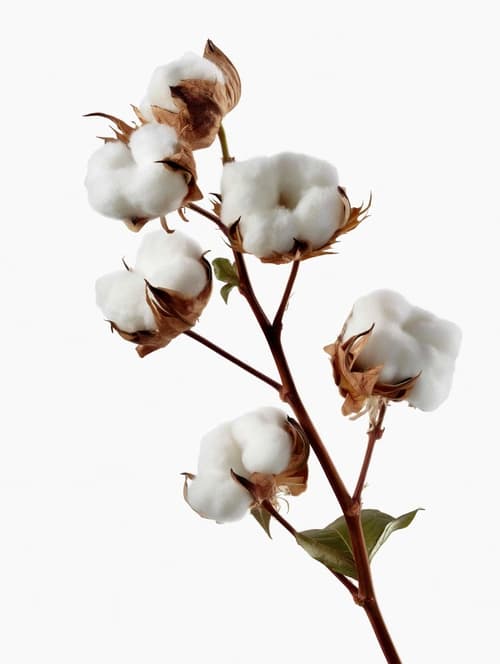
The mothers are central figures at a wedding — and often the last to be considered in the flower planning. Yet a few clear decisions are all it takes: who gets a corsage at all, in what form, and how it fits the overall picture instead of competing with the bridal bouquet. This guide covers etiquette and practice — without rigid rules that nobody enforces anymore anyway.
Who traditionally gets a corsage? In classic wedding etiquette the mothers and grandmothers of bride and groom wear a corsage, often the sisters, maids of honour and bridesmaids too. Fathers and stepfathers receive a matching buttonhole. Important: this is tradition, not law. It is perfectly common today to deliberately keep the circle small — say, just the four parents — and to give both mothers identical pieces for symmetry. Nobody should feel left out, so decide by relationship rather than by a rigid list.
Where is the corsage worn? Contrary to what is often claimed, there is no rule that distinguishes the bride's mother from the groom's mother by the side they wear it on. The traditional etiquette convention follows marital status: married women wear the corsage on the right, unmarried on the left. As both mothers are usually married, the corsage classically sits on the right — high on the shoulder, with the stem pointing down. This is no longer binding; many florists simply recommend the side where the corsage sits best and does not get in the way when hugging. What matters more than left or right is that all mothers wear it the same way, so it looks calm in photos.
Wrist or pin-on? How to decide. The pinned version is the classic, fixed to the dress with pins — elegant, but risky on fine fabrics like silk or chiffon, because pins leave holes. The wrist corsage is the modern favourite: no piercing, comfortable for hugging and dancing, and it survives a long celebration. Rule of thumb: for delicate or dark fabric, for mothers who stay active, and for anyone who dislikes pins on their dress, go for the wrist band. Clear it up in advance with a simple question — „Wrist or pinned to the dress?“ — and you avoid debates on the wedding morning.
Match the concept — without copying the bridal bouquet. The most common mistake is binding the mothers' flowers exactly like the bridal bouquet. Then they compete. Three better routes: first, the same flower in a different shade — if the bouquet uses soft apricot roses, the mother gets cream or a deeper coral. Second, a single tie-in bloom from the bridal bouquet, the rest independent. Third, mirror only the colour tone, not the varieties. The goal is belonging, not a twin. And: the corsage must suit the mother's dress, not just the bouquet — the colour and formality of the outfit set the frame.
Which flowers work — and which are better avoided. A corsage spends hours without water, so it has to be robust. Small-flowered, shape-stable varieties and elegant greenery that won't wilt have proven themselves. Eucalyptus, for instance, lasts the whole day and gives every corsage a calm green frame; spray roses and carnations are surprisingly hardy too. Tricky are very thirsty or quickly drooping blooms. Have the mothers' flowers made on the morning or keep them cool until it starts. Good material pays off here — at the Veiling Rhein-Maas we deliberately pick shape-stable A1 quality for such pieces, because a wilted corsage shows in every photo.
The process in brief. 1. Set the list: who gets a flower (mothers, possibly grandmothers, sisters)? 2. Clarify the form: wrist or pinned — ask per person. 3. Choose the concept link: same flower different colour, one tie-in bloom, or colour tone only. 4. Check the fabric: no pin model on silk or chiffon. 5. Timing: have them bound fresh on the wedding morning, store cool and shaded until the entrance. 6. Agree on the side: traditionally the right, but above all worn the same way by all mothers.
Frequently asked
- Do both mothers have to wear the same flowers?
- No, but it looks harmonious and fair when the mother of the bride and the mother of the groom receive equivalent corsages. They need not be identical — often both wear the same variety in a slightly different shade, matched to each dress. The only thing that matters is that neither feels slighted.
- When should the corsages be made?
- As late as possible — ideally on the wedding morning. A corsage has no water supply, so every hour counts. Until the entrance, keep it cool and shaded, for example in the fridge in a closed box. Hardy varieties such as spray roses, carnations or eucalyptus then survive the day without trouble.
- Wrist or pinned to the dress — which is better?
- For most modern weddings the wrist corsage is the more comfortable choice: no piercing, no holes in the fabric, pleasant for hugging and dancing. The pinned version is more classic and elegant but can damage fine fabrics like silk or chiffon. Decide by dress fabric and comfort — and ask the mother beforehand.
- On which side is the corsage worn?
- By traditional etiquette the side depends on marital status: married women wear the corsage on the right, unmarried on the left. As the mothers are usually married, it classically sits on the right shoulder with the stem pointing down. There is no rule, though, that tells the bride's and groom's mother apart by the side — and nothing is binding today anyway. What matters more is that all mothers wear the corsage the same way.
- Should the corsage match the bridal bouquet or the dress?
- Both — but in the right order. The mother's dress sets the frame, because a corsage that clashes with the outfit is immediately noticeable. Within that frame you then create the link to the wedding concept: the same flower in a different nuance, a single tie-in bloom, or simply the same colour tone. An exact copy of the bridal bouquet is not the goal.