How Often Should You Change Vase Water? The Honest Answer
Replace it completely every 2 days instead of topping up — why that matters and which flowers need it sooner.
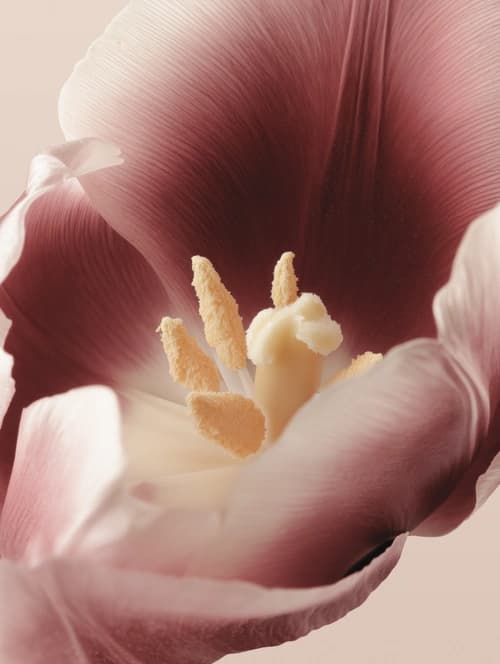
The short answer: change it completely every two days, don't just top it up. The reason is always the same — bacteria. They clog the fine vessels in the stem, the flower can no longer drink and droops even though the vase is still full. Swapping the water regularly often buys you several extra days of vase life.
Why bacteria are the real problem. The moment a stem stands in water, a bacterial culture starts to form — fed by plant debris, shed cells and leaves below the waterline. At room temperature that population can double roughly every twenty minutes. The bacteria themselves and the slime layer they build clog the stem end. Cloudy, smelly water is just the visible symptom — the blockage happens before that.
Topping up isn't enough — here's the difference. If you only add water, you dilute the bacterial broth but don't remove it. The culture lives on and rebuilds immediately. A full change means: empty the vase, rinse with a drop of dish soap, rinse well, refill with fresh water. That's the only way to truly reset the bacteria count. Topping up only makes sense between changes, when the level has visibly dropped with thirsty flowers.
How to change it properly — in four steps. 1. Lift the flowers out and set them aside briefly. 2. Empty the vase and scrub it with a little dish soap, especially the old waterline rim where the slimy film sits. 3. Re-cut the stems at an angle — a fresh cut surface means free water uptake. 4. Refill with fresh, lukewarm water, add flower food, and check once more for leaves below the waterline. The whole job takes under two minutes and is the single most effective thing you can do for vase life.
Not every flower follows the same schedule. Some varieties dirty the water faster than others. Sunflowers and dahlias are heavy ‘sugar producers’ — their water often turns into a bacterial broth within 24 hours and should be changed daily. Soft, herbaceous stems like tulips also cloud the water quickly. Tougher, slower drinkers manage fine on two to three days. A simple rule of thumb: once the water turns cloudy or smells, the deadline has passed — whatever the theory says.
Water depth and variety belong together. How often you change also depends on how deep the stems stand. Tulips want shallow water — a few centimetres are enough, otherwise the soft stems go mushy and rot at the base. Roses, by contrast, are thirsty drinkers and like it deeper; their level drops fast, which is exactly where topping up between changes makes sense. Matching stem depth and change rhythm to the variety gets the most out of the bouquet.
Location sometimes beats the water change. Even the cleanest water helps little if the vase sits in the wrong spot. Heat accelerates bacterial growth dramatically — next to the radiator or in full sun the water turns twice as fast. Ripening fruit nearby releases ethylene and ages blooms faster, too. Cool, bright but not sunny, and away from the fruit bowl: that keeps the water clear longer and the change rhythm relaxed. With our A1 stock from Veiling Rhein-Maas we already pick for shelf life at purchase — the rest comes down to care at home.
Frequently asked
- Is it enough to just top up the vase water?
- No. Topping up only dilutes the bacteria, it doesn't remove them — the culture keeps growing and clogs the stems. Replace the water completely every two days and rinse the vase. Topping up only makes sense as a stopgap for thirsty flowers like roses when the level has dropped.
- How do I know the water urgently needs changing?
- As soon as the water turns cloudy, forms a film at the waterline or smells unpleasant, the deadline has passed — no matter how many days it's been. A slimy coating on the stem end is another clear signal. When in doubt, change a day early rather than too late.
- Do I need to re-cut the stems at every water change?
- Yes, ideally. The stem end clogs with bacteria and air bubbles that block water uptake. A fresh angled cut with a sharp knife exposes clean vessels so the flower can drink the new water again. Without a re-cut, part of the change's benefit is lost.
- Which flowers need more frequent water changes?
- Heavy sugar producers like sunflowers and dahlias often cloud the water within 24 hours and should be changed daily. Soft, herbaceous stems like tulips also dirty the water quickly. Tougher varieties do fine on two to three days.
Further reading
Care
Keeping Vase Water Clean: The Most Invisible Factor
Care
Cut Flower Care: The Complete Guide
Care
Cutting Stems Properly: The Small Action with the Big Effect
Care
Flower Food for Cut Flowers: What Works, What Doesn't
Care
Hard or Soft Water: What Flowers Prefer
Care